Faced with the challenges of developing the electricity sector, players debate how to modernize and encourage new sources, such as the generation of solar energy.
To carry out good asset management, it is important to understand the regulations that operate in the sector. In the case of energy, there is a clear trend towards innovation and use of technology in search of a clean and renewable matrix.
The A-3 and A-4 energy auctions, in 2021, took place on July 8 and showed expressive numbers aimed at the generation of renewable energy in the country. Overall, the scenario was quite unfavorable. The reasons are the over-contracting forecast for the year by the Electric Energy Trading Chamber (CCEE) at 105.1%, the migration of medium and large consumers to the ACL and the small ones to distributed generation.
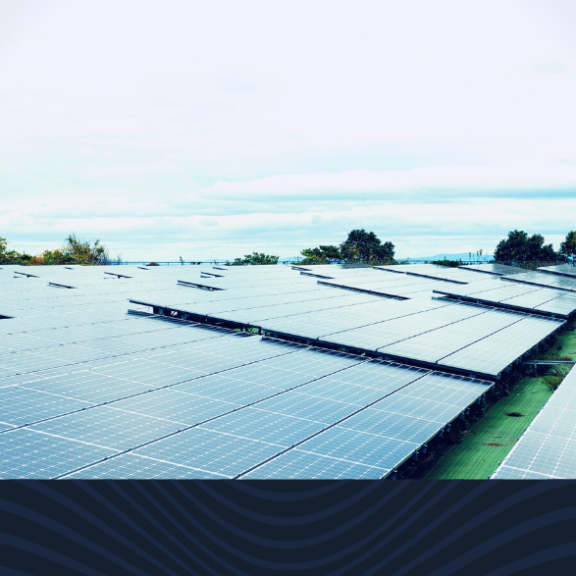
The cities of Altos and Campo Maior, located in the north of Piauí, will receive mini solar photovoltaic plants through a public-private partnership (PPP). It is estimated that these two units, one in each city, produce more than 1.3 million kilowatt-hours per month, reducing operating costs with electricity in the state.
According to the Climate Finance Center at the Imperial College Business School, renewable energy has generated significantly greater returns over the past ten years than fossil fuels. The ratio is seven times more, 422.7% for renewable energy against 59% for fossil fuels.
In September, the Nova A-5 energy auction of 2021 will be held. The highlight goes to the registered RSU energy recovery projects, which applied 12 projects with 315 MW. In total, 1,694 projects were registered, totaling 93.9 GW of supply.