• Home
  • Equipe GNPW Group

All posts of Equipe GNPW Group

Industrial decarbonization: how does it work and what technologies can reduce emissions?

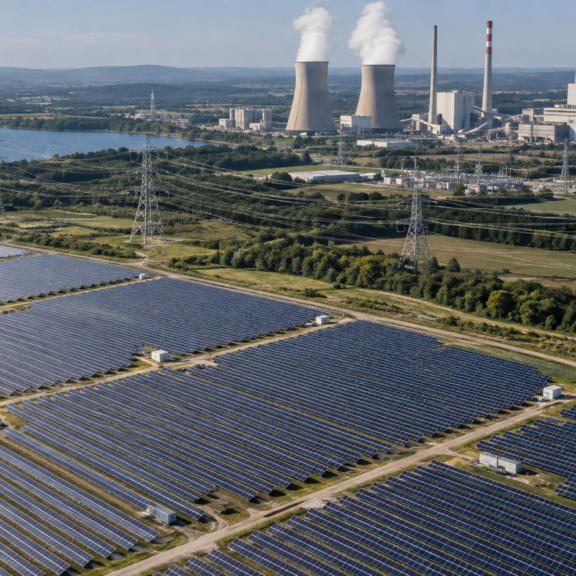
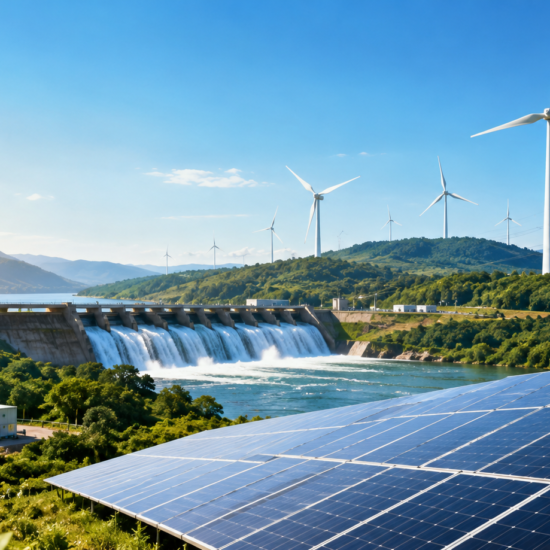
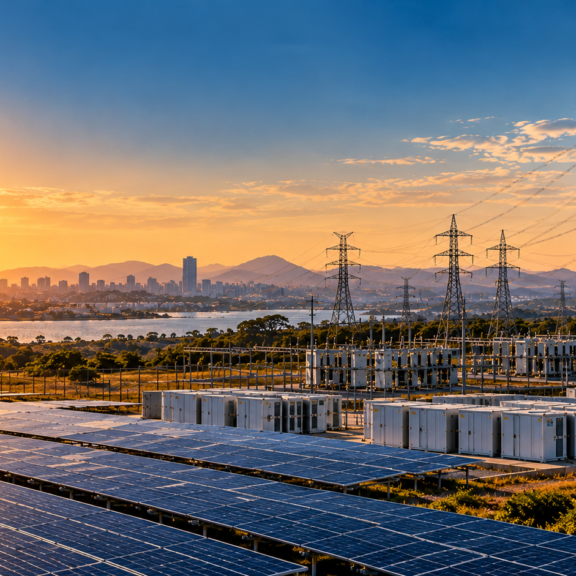
Industrial decarbonization requires a combination of energy efficiency, electrification, renewable sources, biomethane, low-emission hydrogen, new production processes, and—for certain activities—carbon capture and storage. The choice of solutions depends on the characteristics of each plant, the temperatures required by the processes, the raw materials used, the available infrastructure, and energy costs. In Brazil, the high share of renewable sources creates significant advantages but does not eliminate technological and economic challenges.
Continue Lendo...
Descarbonização: por que reduzir emissões exige transformar todo o sistema de energia

Decarbonization: Why Reducing Emissions Requires Transforming the Entire Energy System

The expansion of renewable energy sources advanced at a record pace, yet global energy-related emissions still reached a new high in 2025. This apparent contradiction helps explain why decarbonization does not simply mean installing more solar and wind power. The process involves transforming energy production and consumption, reducing fossil fuel use, increasing efficiency, electrifying activities, controlling methane emissions, and creating instruments capable of measuring and assigning economic value to avoided emissions.
Continue Lendo...
Biometano entra em nova fase no Brasil e avança como instrumento de descarbonização do setor energético

Biomethane enters a new phase in Brazil and advances as a decarbonization tool for the energy sector

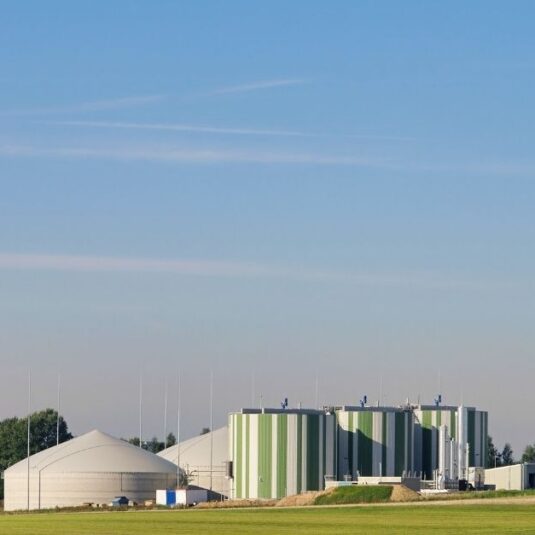
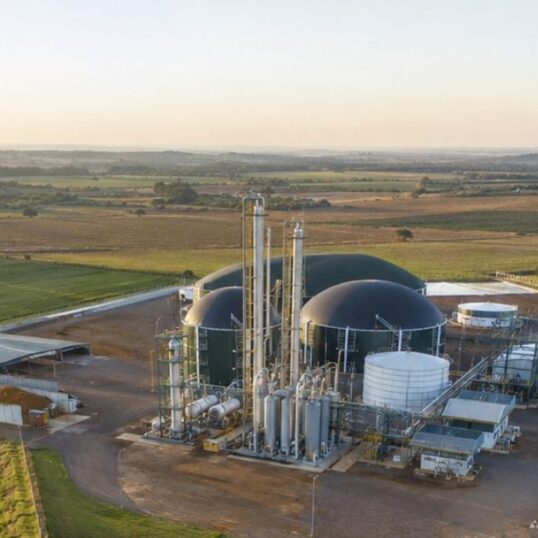
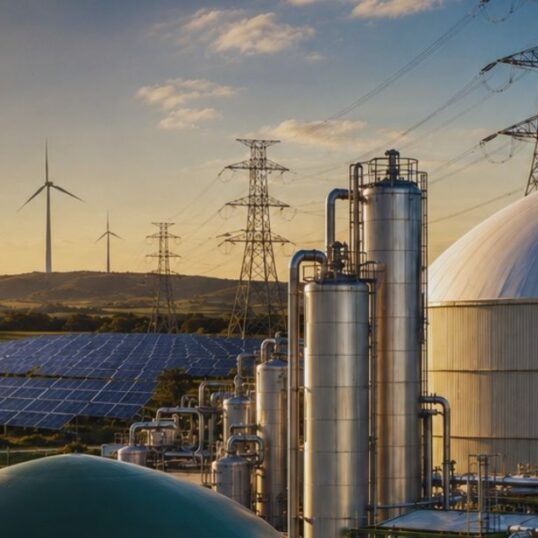
Brazil’s biomethane industry is entering a decisive phase in 2026. The introduction of a mandatory target for the natural gas market, the regulation of Biomethane Certificates of Guarantee of Origin, and the updating of quality standards by the ANP are beginning to consolidate a renewable energy source historically associated with waste recovery as a structured instrument of Brazil’s national energy and climate policy.
Continue Lendo...
Transmissão assume papel central na transição energética brasileira e mobiliza R$ 79,1 bilhões em novas expansões

Transmission takes center stage in Brazil’s energy transition, driving R$ 79.1 billion in new expansion projects.

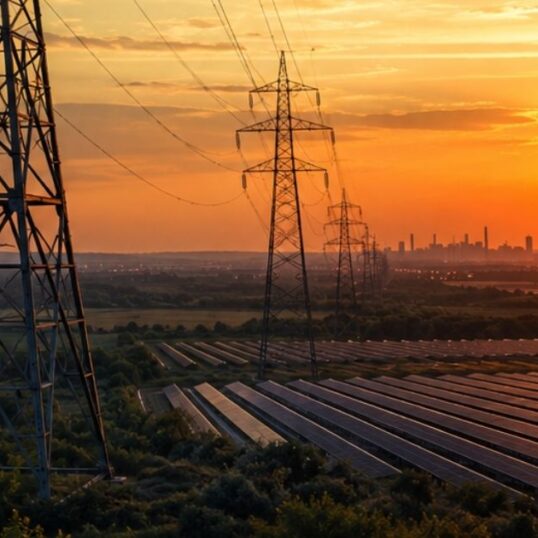
The new Transmission Expansion Program and Long-Term Expansion Plan (PET/PELP) for the first half of 2026 encompasses R$ 79.1 billion in National Interconnected System projects that have been recommended by planning studies but have not yet received authorization or gone to tender. The plan entails approximately 20,500 kilometers of new transmission lines and 81,900 MVA of substation capacity. More than just a project portfolio, the document demonstrates that transmission has assumed a strategic role in the expansion of the electric power sector: without an adequate grid, renewable generation cannot be fully integrated, new consumption centers face constraints, and maintaining system operational security becomes increasingly complex.
Continue Lendo...
Biometano, carbono e capacidade: os três movimentos que redefiniram o setor de energia no Brasil em 2026

Biomethane, carbon, and capacity: the three movements that redefined Brazil’s energy sector in 2026

Between March and May 2026, the Brazilian energy sector experienced its densest regulatory quarter in years. The CNPE set the target for the biomethane mandate and the ANP completed the regulation of the certificate of origin (CGOB). The country held the largest capacity reserve auction in its history, contracting 19 GW with investments of R$64.5 billion. And the Ministry of Finance presented the first official proposal for sectoral coverage of the regulated carbon market (SBCE), with an inclusion schedule for energy and waste. Three decisions that, read together, form the new regulatory floor for the energy transition in Brazil, with a public consultation on the carbon market scheduled for July and a final rule expected by December.
Continue Lendo...