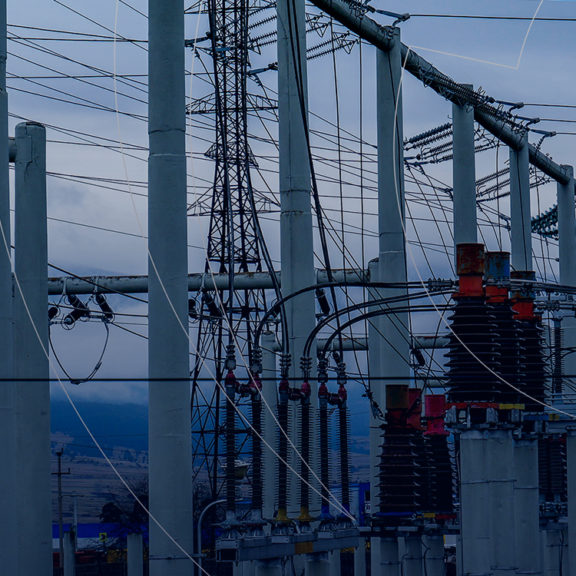
Distributed generation is, without a doubt, one of the best concepts that have emerged in recent years, mainly because of the facilities and benefits it promotes.
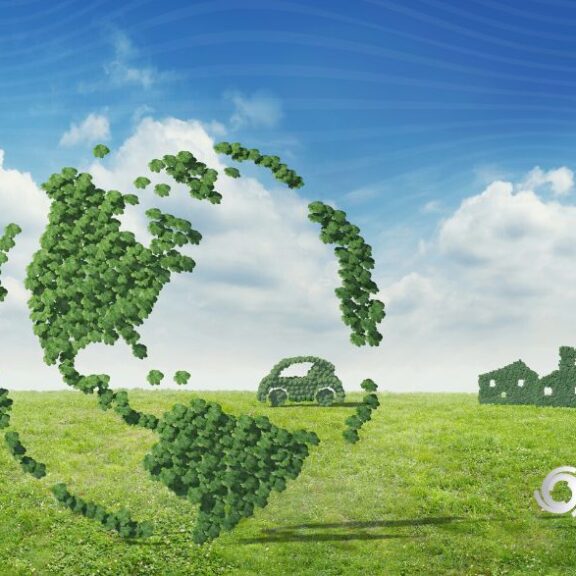
The transformation currently experienced makes governments, society and companies adapt and change their way of consuming and producing to maintain the climate and environment. With this scenario, it is essential that companies in the energy sector also carry out investment planning for the energy transition.
The use of biofuels by companies has been increasing due to the growing commitment to complying with good ESG practices, acronym for Environmental, Social and Governance, which consists of a set of practices adopted by companies for the conservation of the environment.
Bioenergy is energy created from biomass that can be used both for the production of electricity and for the generation of heat and biofuels. Biomass is organic matter that can be of animal or plant origin. In other words, bioenergy can be generated from several sources, each of which has different characteristics and efficiency.
With the need for an energy transition and the increase in energy costs due to the Russian war, biofuels based on solid waste become a solution to stop the crisis and instabilities generated by energy.
In May 2022, Brazil took the first steps towards regulating the carbon market with the enactment of decree nº 11.075/2022. Despite leaving several gaps on this subject, the text laid the foundations for regulating the national carbon market, which has been expected for 13 years since the creation of the law that established the National Policy on Climate Change.
With the increase in adherence and the search for renewable sources, biomass has grown and developed in the Brazilian energy market. In this sense, biogas and biomethane are also highlighted. But what is the difference between them?
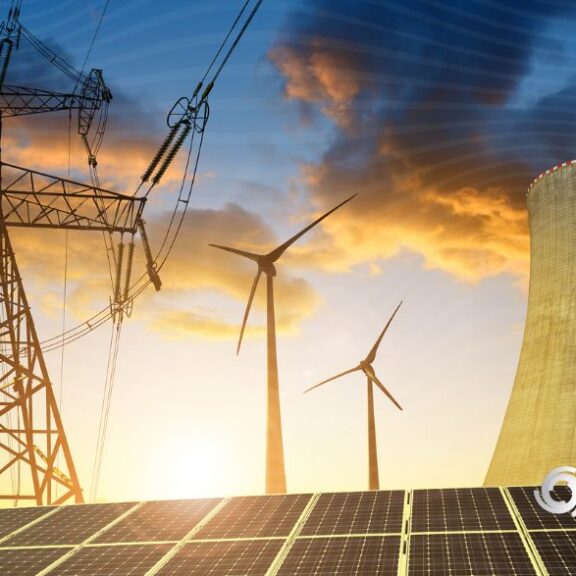
The discourse on the use of renewable energy as an alternative to fossil fuels has gained strength in recent times, mainly due to the climate crisis. In addition, non-renewable energy sources, such as oil and its derivatives, are finite resources that took millions of years to become available.
The carbon market emerged from the creation of the United Nations Convention on Climate Change (UNFCC), during ECO-92, in Rio de Janeiro. The creation of the market arose from the need to find ways to decarbonize economies, transforming good results into credits.
Do you know the term carbon footprint? Associated with greenhouse gas emissions, humanity's carbon footprint is the main cause of global warming and climate change.