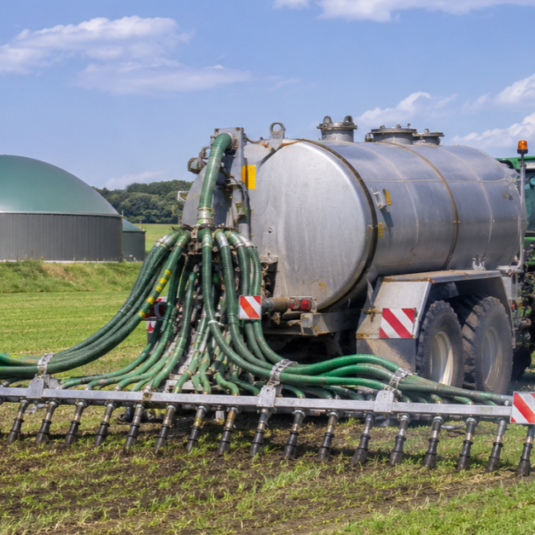
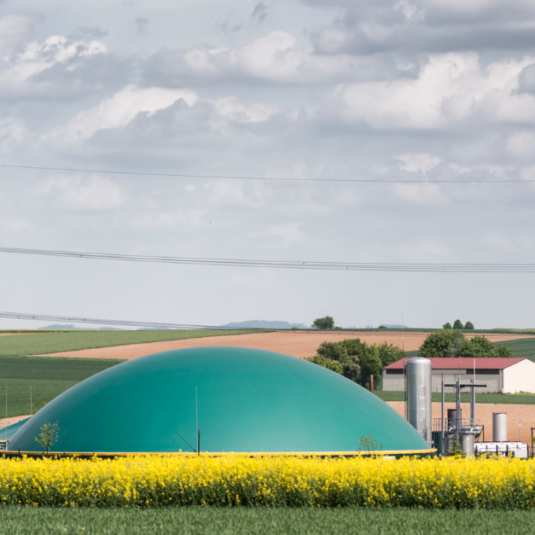
Understand what biodigester digestate is, as well as the considerations regarding quality, storage, transport, and agricultural use following the production of biogas.
Industrial decarbonization requires a combination of energy efficiency, electrification, renewable sources, biomethane, low-emission hydrogen, new production processes, and—for certain activities—carbon capture and storage. The choice of solutions depends on the characteristics of each plant, the temperatures required by the processes, the raw materials used, the available infrastructure, and energy costs. In Brazil, the high share of renewable sources creates significant advantages but does not eliminate technological and economic challenges.
The expansion of renewable energy sources advanced at a record pace, yet global energy-related emissions still reached a new high in 2025. This apparent contradiction helps explain why decarbonization does not simply mean installing more solar and wind power. The process involves transforming energy production and consumption, reducing fossil fuel use, increasing efficiency, electrifying activities, controlling methane emissions, and creating instruments capable of measuring and assigning economic value to avoided emissions.
Brazil’s biomethane industry is entering a decisive phase in 2026. The introduction of a mandatory target for the natural gas market, the regulation of Biomethane Certificates of Guarantee of Origin, and the updating of quality standards by the ANP are beginning to consolidate a renewable energy source historically associated with waste recovery as a structured instrument of Brazil’s national energy and climate policy.
Between March and May 2026, the Brazilian energy sector experienced its densest regulatory quarter in years. The CNPE set the target for the biomethane mandate and the ANP completed the regulation of the certificate of origin (CGOB). The country held the largest capacity reserve auction in its history, contracting 19 GW with investments of R$64.5 billion. And the Ministry of Finance presented the first official proposal for sectoral coverage of the regulated carbon market (SBCE), with an inclusion schedule for energy and waste. Three decisions that, read together, form the new regulatory floor for the energy transition in Brazil, with a public consultation on the carbon market scheduled for July and a final rule expected by December.
Brazilian landfills are the main source of methane in the waste sector, and the country still wastes most of this gas. With the Fuel of the Future Law in force, ANP regulation published in 2026 and an estimated pipeline of R$ 8.5 billion in investments, landfill biogas has moved beyond the realm of promise to […]
The Brazilian government launched the Climate Plan with the goal of reducing greenhouse gas emissions by 59% to 67% by 2035, compared to 2005, with a horizon of climate neutrality by 2050.
Law 15,269/2025 paved the way for medium-sized companies to migrate to the Free Contracting Environment (ACL) in 2026. For those already operating with decarbonization commitments, the change goes beyond the electricity bill: it redefines how clean energy, biomethane and biomass are contracted, and what this means for ESG strategies and energy risk management.