

The International Energy Agency recognizes the country’s achievements in renewable energy and wants Brazil as a full member. But between international praise and the reality of the national power system, there is a gap that urgently needs to be bridged.
There is a phrase that International Energy Agency experts often repeat when talking about Brazil. It appears in reports, speeches, and in the words of the agency’s executive director, Fatih Birol: Brazil is, at the same time, a major producer of oil and gas and a genuine champion of low-carbon energy. This rare combination places the country in a unique position in global discussions about the future of energy.
In November 2025, during COP30 in Belém, the IEA released the Brazil 2025, its first in-depth review of Brazil’s energy policies. The document was launched in Belém during the COP30 climate conference by Brazil’s Secretary of Energy Transition and Planning, Gustavo Cerqueira Ataíde, and the IEA’s Head of Renewable Energy Division, Paolo Frankl, marking the first review of this kind conducted by the agency for Brazil. The study was prepared at the request of the Brazilian government itself, and that detail matters: it was not the IEA that approached Brazil with a questionnaire, it was Brazil that invited external scrutiny.
The result is an ambivalent portrait, technically rigorous and diplomatically honest. On one hand, well-deserved praise for the energy structure the country has built over decades. On the other, 30 concrete recommendations for Brazil to overcome the contradictions that threaten its own leadership in the global energy transition.
What the IEA recognizes in Brazil
To understand the weight of international recognition, it is first necessary to understand what Brazil has actually built in terms of its energy matrix.
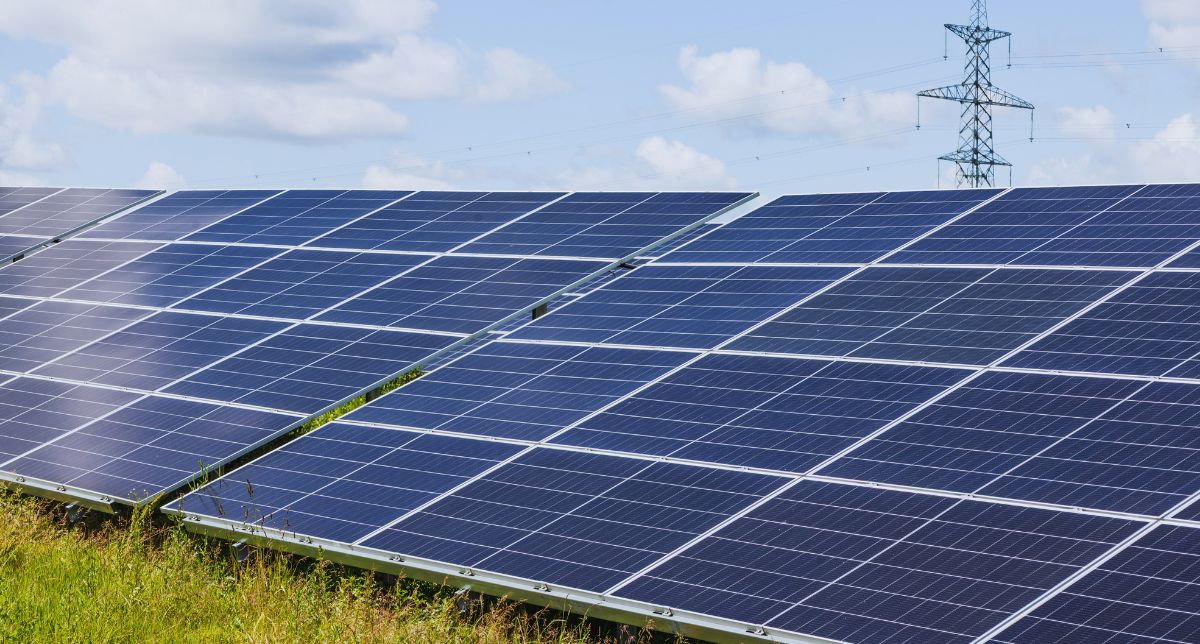
The report highlights that Brazil benefits from one of the cleanest electricity systems in the world, with about 90% of its electricity generation in 2024 coming from low-emission sources, mainly hydropower, wind, solar, and bioenergy.
This is not a target for 2030, it is today’s reality. In much of the G20, where the debate on decarbonizing the electricity matrix is still a long-term aspiration, Brazil is already living what others plan to achieve in decades.
Brazil accounts for nearly 7% of global renewable energy production, far exceeding its 3% share of the global population and 2% of global GDP. The country has historically been a leader in biofuels and hydropower technology, and is now seeking to expand its energy innovation into new technological areas.
This renewable presence was not built by chance or by decree. It is the result of decades of consistent policies, energy auctions that attracted investment, and programs such as Pró-Álcool, which was created in the 1970s in response to the oil crisis and has survived every government since.
Brazil is a global pioneer in biofuel production, combining blending mandates, financial incentives, and sustainability requirements to expand supply safely and affordably. Flex-fuel vehicles, capable of running on gasoline or ethanol, were developed in the 1990s and now make up nearly 85% of Brazil’s light vehicle fleet.
This track record of energy policies that span across governments is rare in the developing world. And that is precisely what the IEA recognizes when it refers to a “long-term strategic vision” capable of attracting investment.
The process that formalized the partnership
Brazil is not a full member of the IEA. It never has been. Since 2017, the country has participated as an associate country, taking part in meetings and working groups but without full voting rights on strategic decisions.
That began to change in September 2025. Brazil sent a letter to the IEA formally requesting full membership. The document was signed by the Minister of Mines and Energy, Alexandre Silveira, and the Minister of Foreign Affairs, Mauro Vieira.
The response came in February 2026, during the IEA Ministerial Meeting in Paris. Ministers from the member countries of the International Energy Agency unanimously confirmed the decision to begin the formal accession process for Brazil. Full membership is considered strategic for expanding Brazil’s influence in global energy decisions, as well as aligning the country with best practices and commitments in areas such as decarbonization, energy security, and technological development.
The unanimous decision by ministers from 54 countries gathered in Paris is, in itself, a form of recognition. In today’s global geopolitical environment, where consensus is increasingly rare, approving the entry of a new country unanimously is equivalent to a certificate of trust.
“The ministers’ decision to begin Brazil’s accession process is proof of the deepening partnership between Brazil and the IEA,” said the agency’s executive director, Fatih Birol. The step represents a significant shift in Brazil’s engagement with global energy governance and a milestone in the IEA’s relationship with Latin America and the Caribbean, according to the agency’s own statement.
On the Brazilian side, Minister Alexandre Silveira summarized the moment: “We are ready to contribute our experience while further strengthening Brazil’s energy policy to ensure secure and affordable energy for our population. We are ready to work side by side with the Agency in building more secure, resilient, and inclusive energy systems.”
For those who have followed Brazil’s energy sector for more than two decades, this move carries meaning that goes beyond diplomatic protocol. Brazil had previously halted accession talks with the International Renewable Energy Agency (Irena) during the previous administration.
The Brazil 2025 report: what the IEA recommends
International praise did not come without demands. The Brazil 2025 report contains 30 concrete recommendations. The new report outlines 30 targeted recommendations to support the country in achieving its ambitious energy and climate goals, balancing economic growth, social inclusion, and energy security.
Among the points the IEA highlights positively are leadership in biofuel production, the robustness of the hydropower system, and transmission auctions that connect regions with high renewable potential to the rest of the country. The agency cited transmission auctions as a key strategy for linking areas with high renewable resource potential to the broader grid.
The agency also points to Brazil’s potential to expand low-emission hydrogen production and next-generation biofuels. The report notes that the country is well positioned to scale up low-emission hydrogen production and advance the development of next-generation biofuels.
But the document also identifies bottlenecks. The IEA is direct in stating that the growth of variable renewables requires urgent investment in system flexibility. As variable renewable energy expands rapidly in Brazil, investing in system flexibility through hydropower, storage, demand response, and grid modernization will be essential to ensure reliability, efficiency, and resilience.
This diagnosis aligns exactly with what Brazil’s power sector is experiencing in practice.
The crisis that praise does not erase: curtailment
While Brazil gains international recognition for its renewable matrix, the national power system faces a crisis that is, paradoxically, a direct consequence of its own success.
Curtailment, or forced reduction of generation, is the phenomenon in which the National Electric System Operator orders wind and solar plants to reduce or halt production because the transmission network cannot carry all the energy generated.
In 2023, curtailment in wind and solar plants in Brazil reached 20.6% of the total capacity connected to the National Interconnected System, more than double the 9.3% recorded the previous year. 54% of the cuts were driven by energy oversupply.
The problem deepened throughout 2025 and entered 2026 on a concerning trajectory. Wind and solar plants in Brazil have already wasted 48.7 TWh of energy due to curtailment, a volume equivalent to nearly 8% of the country’s total electricity consumption. In January 2026 alone, cuts reached 2.86 TWh, a 45% increase compared to December 2025.
To put this into perspective: the curtailment recorded in 2025 would be enough to supply the entire fleet of electric cars in Brazil for a year. The cuts could also meet the annual demand of 40 large-scale data centers. Another striking comparison: renewable generation cuts in October 2025 were 74% higher than Itaipu’s generation in the same period.
The financial losses are significant and recurring. Between January 2024 and January 2025, losses associated with undelivered renewable energy exceeded R$2 billion.
The origin of the problem is structural and well diagnosed. It stems from the mismatch between the rapid installation of new wind and solar plants and the slower pace of transmission line construction. Since the second half of 2023, the system operator has ordered forced reductions in generation, a practice intensified in 2025, creating a technical and economic crisis that threatens investment predictability.
Delays in strategic projects, such as the Northeast to Southeast transmission lines, have directly contributed to increased operational constraints. Energy storage is one of the most promising tools to mitigate curtailment in systems with a high share of intermittent sources such as solar and wind.
And the short-term outlook is not encouraging. Curtailment of centralized solar generation in Brazil is expected to reach an annual average of 23.5% in 2026. For wind power, the projected curtailment level is 10.5% in 2026. The system operator itself has recommended that the expansion of both centralized and distributed solar generation should not continue at a pace exceeding the growth of daytime demand.
Brazil as a regional and global leader in renewables
Despite internal turbulence, Brazil’s international position in renewable energy remains strong. The IEA’s projections for the country are consistently ambitious.
According to the agency, by 2026 most of the new electricity demand in Brazil will be met by wind and solar photovoltaic energy, and the combined generation from these sources in 2026 will be nearly 50% higher than in 2022.
Brazil’s role in regional leadership is undeniable. IEA estimates point to an increase of 165 gigawatts of renewable generation in Latin America between 2023 and 2028, with Brazil accounting for more than 65% of that total. Solar leads the expansion, followed by wind. Brazil is responsible for nearly 90% of distributed solar additions in the region.
In biofuels, recognition is even more consolidated. Brazil, together with other emerging economies, leads biofuel growth, exceeding the average of the past five years by 30%. The country alone will contribute 40% of global biofuel expansion by 2028, supported by strong policies in this sector.
This performance in biofuels gained diplomatic reinforcement in October 2025. During the Pre-COP30 meeting in Brasília, Brazil announced the Belém Commitment for Sustainable Fuels, the “Belém 4x” initiative, which seeks high-level political support for the global goal of at least quadrupling the production and use of sustainable fuels by 2035. Japan, Italy, and India expressed support for the Brazilian initiative.
The transmission challenge: the missing link
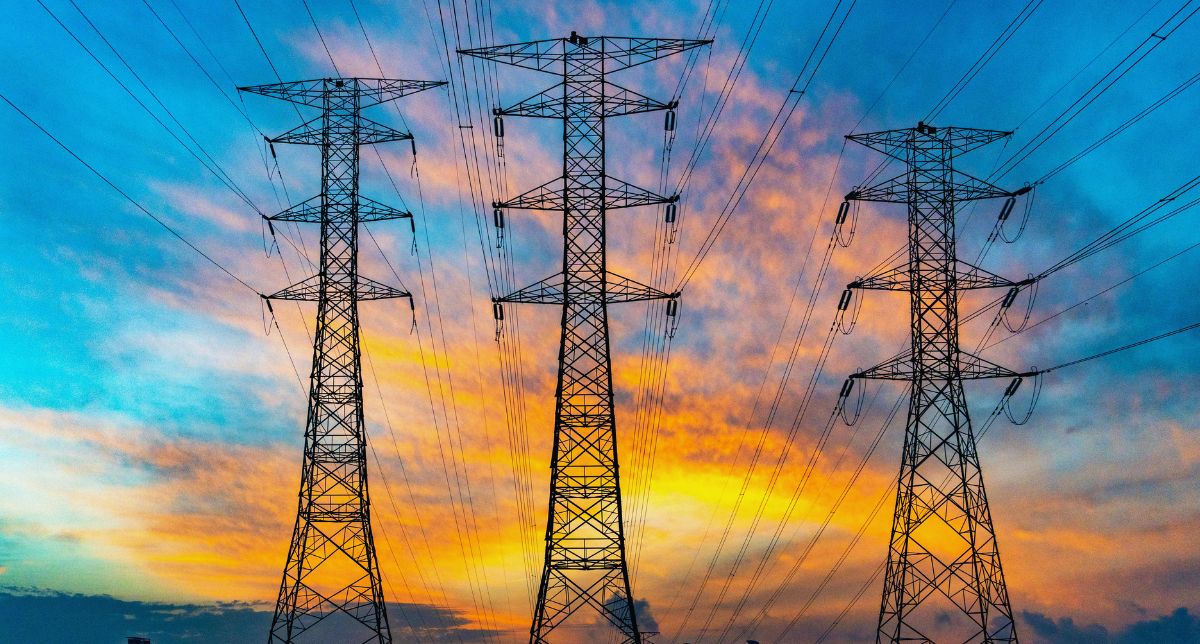
The bottleneck in Brazil’s power system is well known and longstanding, but it has never been as urgent as it is now. Transmission is the artery that allows energy generated in the Northeast to reach the consuming Southeast, that connects inland solar farms to coastal demand, and that enables the future export of green energy.
The IEA identifies this precisely. The report states that Brazil needs a considerable increase in investment in viable projects and infrastructure that provide the flexibility required for a safe and sustainable transition. Rapid growth in variable renewables will only be sustainable if matched by proportional investment in the grid.
From 2026 to 2027, industry experts expect curtailment to continue heavily pressuring the system. Some initial relief, due to structural factors, may occur between 2028 and 2029. But to resolve the issue structurally, estimates extend over roughly 10 years.
This outlook of a decade of increasing curtailment, even with transmission projects underway, is the great paradox of renewable Brazil. The country has an abundance of clean energy. It is being generated. But it does not reach where it is needed.
The numbers from 2026 tell this story clearly. Solar photovoltaic energy, despite constraints, began 2026 leading the expansion of Brazil’s electricity matrix. In January, Brazil added 543 MW to the grid, of which 509 MW came from new solar plants, representing more than 93% of the expansion in the period. The system continues to grow, but the infrastructure meant to absorb that growth is moving at a different pace.
What IEA recognition means in practice
There is concrete value, beyond symbolism, in the IEA’s recognition and the ongoing accession process. Full member countries have priority access to technical analyses, participate in decisions on international energy standards, influence projections that guide global investors, and gain regulatory credibility that attracts external capital.
For Brazil, which seeks to attract investment in green hydrogen, aviation biofuels, energy storage, and grid modernization, the IEA seal carries real financial weight. Institutional investors around the world use the agency’s analyses as a reference. A positive review in the Brazil 2025 report is, in practice, a technical endorsement of Brazil’s energy transition projects.
Brazil is seen by the IEA as a strategic partner due to its renewable matrix and its potential as an exporter of biofuels and green hydrogen.
The Brazil 2025 report is being integrated into PLANTE, the federal government’s Energy Transition Plan. The Brazilian government is incorporating the report’s recommendations as part of its ongoing work on energy transition planning. The IEA and the Ministry of Mines and Energy are also preparing a Data and Statistics Roadmap that will help strengthen Brazil’s energy data systems.
Between the certificate and the construction
Those who work in the energy sector know that international recognition does not solve transmission bottlenecks. Praise from Paris does not build high-voltage lines in the Northeast. The gap between what Brazil is on paper and what it can deliver in practice is exactly where policy must act.
The country has a world-class electricity system. It has biofuels that are a global model. It has solar and wind energy growing at record pace. And at the same time, it faces a curtailment crisis that wastes nearly 50 TWh of clean energy because it cannot be delivered where it is needed.
Advancing battery storage is essential to reduce solar and wind intermittency, lower curtailment, and provide flexibility services to the system. Green hydrogen emerges as a new frontier for industrial decarbonization and a potential export vector. The expansion of the free market and PPAs tends to strengthen revenue predictability and attract new investments.
Brazil in 2026 is a country admired by the IEA, one that 54 countries unanimously wanted as a member, and that still needs to resolve fundamental contradictions between the pace of renewable growth and the infrastructure that supports it.
The certificate of leadership is framed on the wall. The transmission projects are still on the engineering drawing board. And the curtailment clock keeps ticking.

Comment