

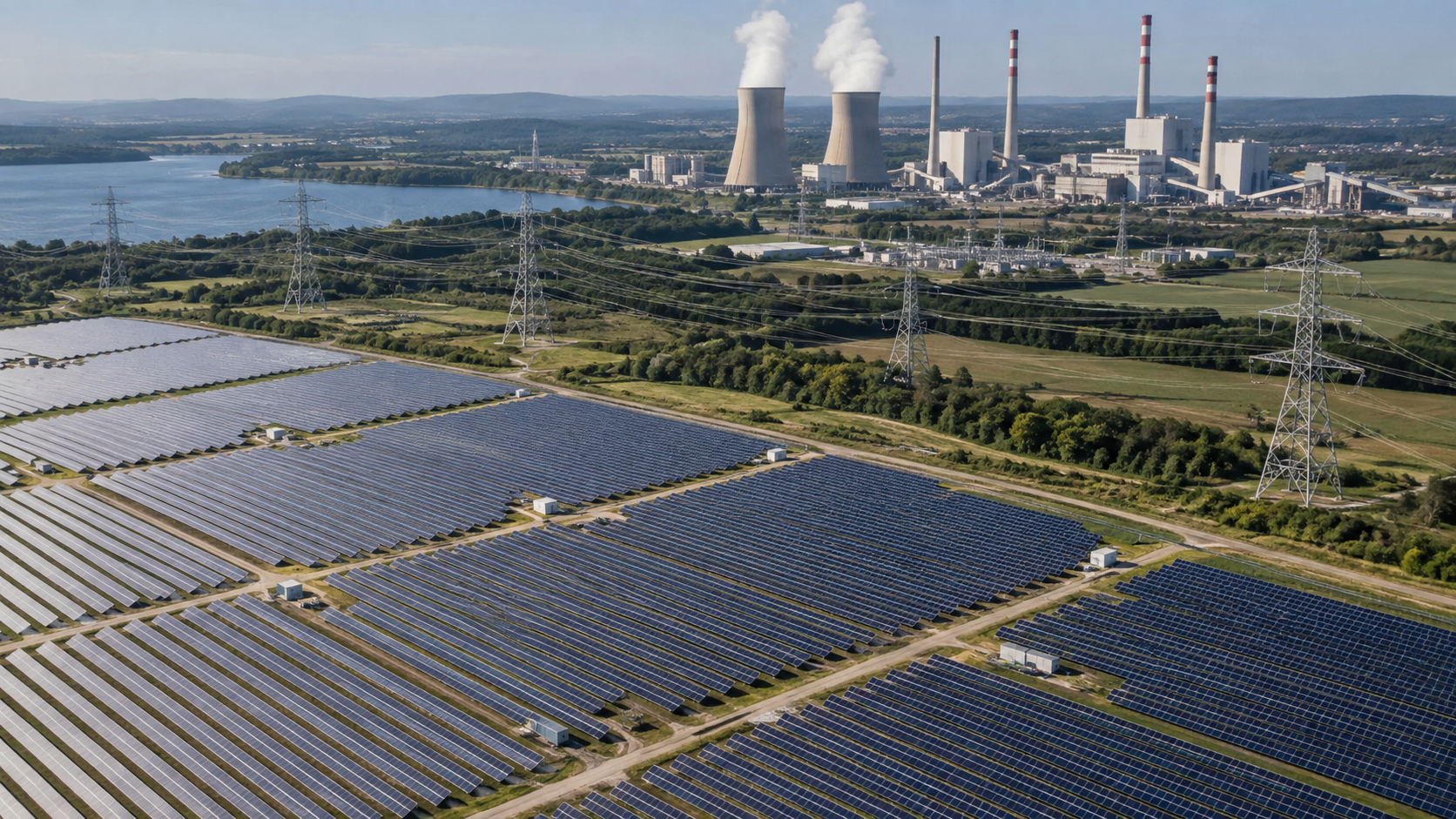
Talking about the energy transition has become almost inevitable in discussions about the future of the economy, industry, and infrastructure. Behind this transformation, however, lies a more specific objective: consistently reducing greenhouse gas emissions associated with the production, transformation, and consumption of energy.
This is where decarbonization comes in.
Although the two concepts are deeply interconnected, energy transition and decarbonization are not synonymous. The transition describes a broader change in the structure of the energy system, which may involve new technologies, energy sources, power grids, consumption patterns, and business models. Decarbonization, in turn, examines this transformation through one central indicator: the amount of greenhouse gases emitted by economic activity.
This distinction has become even more important in light of the latest data. The International Energy Agency, in its Global Energy Review 2026, estimates that global energy-related CO₂ emissions increased by approximately 0.4% in 2025. The increase was slower than in previous years, but still enough to bring the total to nearly 38.4 billion tonnes, a new historical record.
At the same time, low-carbon technologies expanded rapidly. The central challenge of contemporary decarbonization lies precisely in this apparent contradiction: the world has never installed so much renewable capacity, yet it has still not achieved a sustained reduction in total energy-system emissions.
Decarbonization does not simply mean replacing one energy source with another
In its simplest form, decarbonization means reducing the amount of greenhouse gases emitted to produce goods, services, transportation, electricity, and heat.
In practice, the process is far more complex.
An energy system depends on electricity generation, fuels, transmission and distribution networks, transportation infrastructure, industrial processes, buildings, agriculture, mining, logistics, and countless other activities. As a result, emissions reductions cannot be achieved through a single technological substitution.
The Intergovernmental Panel on Climate Change, in the chapter on energy systems in its Sixth Assessment Report, describes systems compatible with near-net-zero emissions as relying on a combination of transformations: a significant reduction in fossil fuel consumption, electrification, expansion of low-carbon electricity, energy efficiency, adoption of alternative fuels in applications where electrification is more difficult, and greater integration among the different parts of the energy system.
This means that expanding solar and wind power is essential, but it represents only part of the process.
Decarbonization can also occur when an industry reduces the amount of energy required to produce the same quantity of goods, when a fleet replaces fossil diesel with electricity or lower-carbon biofuels, when waste is used to produce biogas or biomethane, when fugitive methane emissions are identified and eliminated, or when industrial processes reduce the amount of carbon embedded in their production.
The central concept is carbon intensity: how much is emitted to produce a given amount of energy, product, or service.
This measure, however, should not be confused with absolute emissions. An economy may reduce the carbon intensity of certain activities while still increasing its total emissions if demand growth is sufficiently high.
This phenomenon is precisely what helps explain the current moment.
Renewables are growing at a record pace, but global emissions are still increasing
The expansion of renewable energy reached an unprecedented scale in 2025. According to the International Renewable Energy Agency, 692 GW of new renewable capacity was added globally over the course of the year, bringing worldwide capacity to 5,149 GW. Renewables accounted for 85.6% of the electricity capacity additions recorded in 2025.
The International Energy Agency presents an even broader estimate when considering different datasets and technologies: according to the Global Energy Review 2026, annual renewable capacity additions reached approximately 800 GW in 2025, with solar photovoltaic energy accounting for more than three-quarters of this growth.
The figures confirm that the transformation of electricity generation has reached scale. In 2025, renewable and nuclear sources accounted for 43% of global electricity generation, the highest share recorded in the past five decades. Renewable electricity generation nearly matched coal-fired generation.
Even so, global energy-related emissions increased.
This is one of the fundamental issues in understanding decarbonization. Clean technologies are reducing the amount of fossil fuels that would otherwise need to be used, but they have not yet fully offset emissions growth caused by expanding energy demand, the continued operation of fossil fuel infrastructure, and rising consumption in certain markets.
The IEA estimates that the deployment of solar photovoltaic power, wind energy, nuclear generation, electric vehicles, and heat pumps since 2019 avoided around 3 billion tonnes of CO₂ per year in 2025, an amount equivalent to approximately 8% of global energy-related emissions. Solar energy alone is estimated to have avoided around 1.5 billion tonnes annually.
These figures show that these technologies are producing measurable effects. The challenge lies in achieving the speed and scale required for avoided emissions to definitively exceed emissions growth associated with fossil fuel consumption.
Brazil starts from a renewable electricity mix, but that does not eliminate the challenge
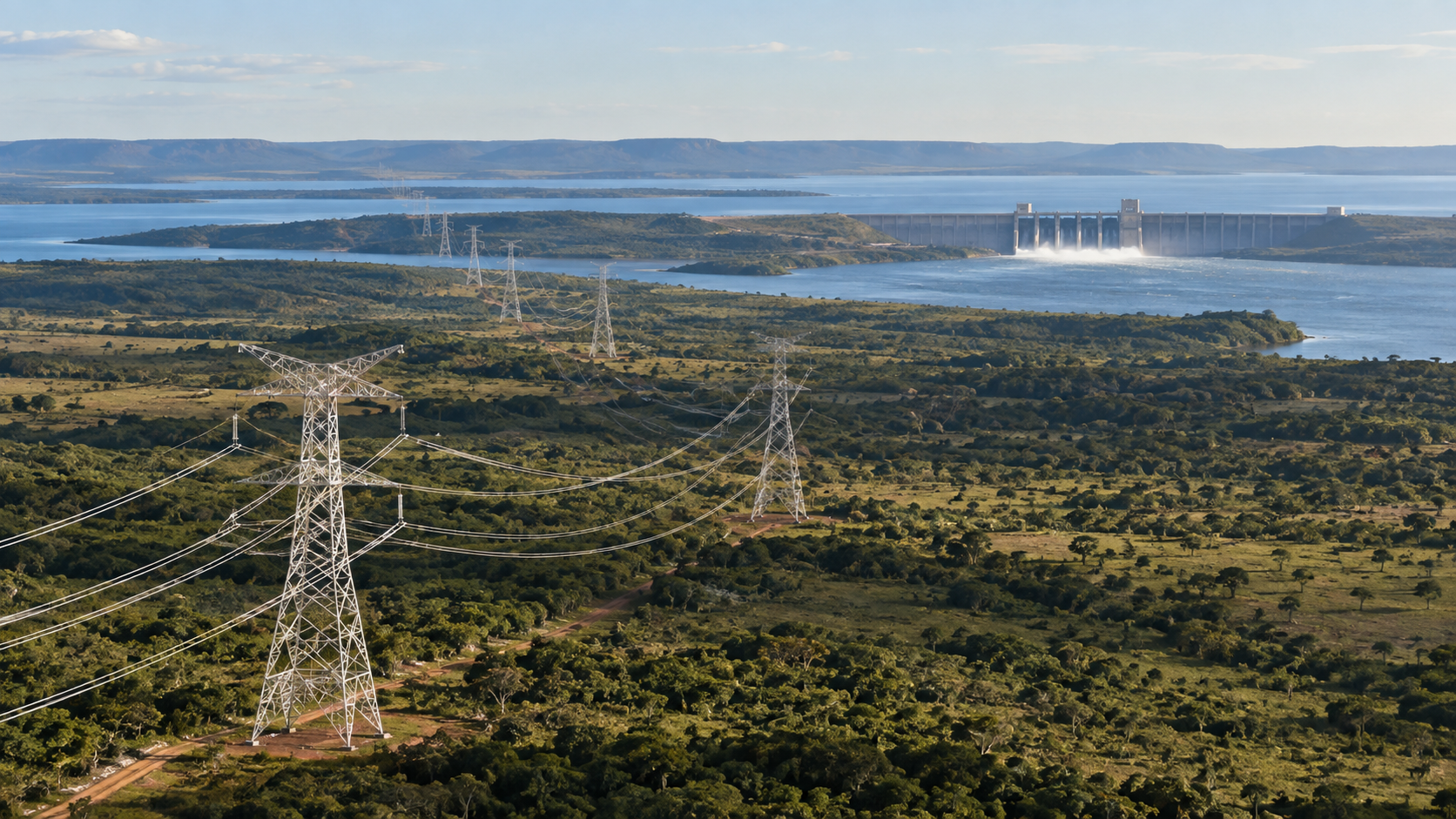
Brazil is in a different position from most major economies because its electricity system already has a high share of renewable energy sources.
The Brazilian Energy Balance 2026, prepared by the Energy Research Office, shows that renewable sources accounted for 86.8% of Brazil’s electricity mix in 2025. In the overall energy mix, which includes not only electricity but also fuels consumed in transportation, industrial processes, and other uses, the renewable share was 49.5%.
The difference between these two figures is essential.
A country may have a predominantly renewable electricity system and still face a major decarbonization challenge in sectors where oil, natural gas, and other fuels continue to play a significant role.
That is why Brazil’s agenda must go beyond electricity generation.
In 2025, Brazilian solar photovoltaic generation, including utility-scale generation as well as micro- and small-scale distributed generation, reached 88.1 TWh, an increase of 24.7% compared with the previous year. Installed solar capacity reached 64,793 MW. Wind generation, in turn, reached 116.5 TWh, an increase of 8.2%.
Even with this expansion, the share of renewables in the electricity mix declined from 88.2% in 2024 to 86.8% in 2025, mainly due to lower hydropower generation and increased natural gas-fired generation. Thermoelectric generation increased by 12.3% over the period.
This development is a concrete example of why installed capacity cannot automatically be equated with decarbonization. The expansion of solar and wind power reduces potential emissions, but the final outcome depends on the operation of the entire system, hydrological conditions, transmission availability, demand, flexibility, and the sources used to balance the grid.
Biofuels and biomethane extend decarbonization beyond electricity
If Brazil’s electricity generation already has a high share of renewable energy, an important part of the next stage of decarbonization lies in fuels.
It is in this context that biofuels, biogas, and biomethane become increasingly important.
On September 15, 2026, the Ministry of Mines and Energy opened Public Consultation No. 232/2026 to discuss annual RenovaBio targets for the period from 2027 to 2036. The proposal, which is still under consultation and therefore does not constitute a final target, sets out a pathway that could result in a 12.1% reduction in the carbon intensity of Brazil’s fuel mix by 2036 compared with the 2018 level.
The structure of RenovaBio helps illustrate how decarbonization is becoming an economic variable.
The policy does not focus solely on the physical volume of renewable fuel placed on the market. Its operation is linked to emissions reductions associated with biofuels and to Decarbonization Credits, known as CBIOs. In this way, avoided emissions become part of a market mechanism.
Another important development involves biomethane.
In April 2026, the National Energy Policy Council established a target to reduce greenhouse gas emissions from the natural gas market by 0.5% through the use of biomethane. The legislation provides mechanisms for this target to evolve as the supply of the renewable fuel develops.
The importance of biomethane lies precisely in its ability to serve segments where straightforward electrification may not be the most immediate alternative.
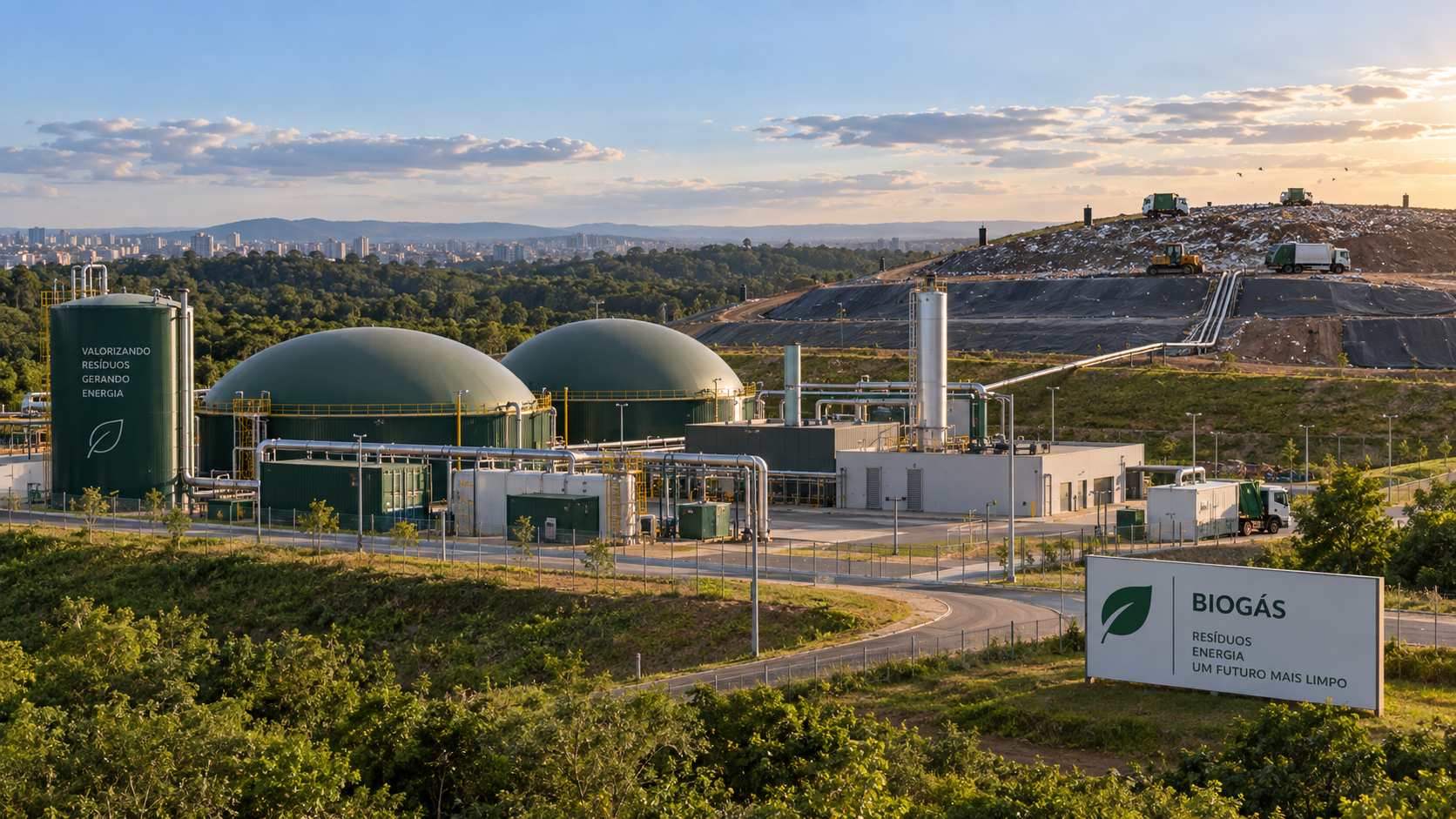
Produced by upgrading biogas generated from agricultural and livestock waste, agro-industrial waste, landfills, wastewater treatment plants, and other organic streams, biomethane can replace fossil natural gas in certain industrial, thermal, and transportation applications.
There is also an additional characteristic: depending on the source of the feedstock and the structure of the project, its production can combine fossil fuel substitution with waste treatment and methane emissions control.
Methane puts emissions measurement at the center of the discussion
Another important change in the decarbonization agenda concerns the way emissions are measured.
For years, a large share of emissions inventories has been developed using estimates, emission factors, and activity data. These tools remain essential, but new technologies are increasing the ability to directly detect and quantify certain emissions at facilities.
On September 3, 2026, the National Agency of Petroleum, Natural Gas and Biofuels, in partnership with the World Bank, launched a campaign to measure methane emissions at oil and natural gas production assets. According to the ANP, the initiative includes technical training and technologies for measuring, detecting, and quantifying these emissions.
The initiative is relevant because it illustrates a change in the nature of the climate agenda.
Decarbonization increasingly depends not only on stated commitments, but on the ability to measure, verify, and compare actual emissions.
This transformation is likely to become increasingly important as carbon markets, certification systems, sustainable finance mechanisms, and environmental requirements demand greater traceability.
For energy companies and projects, the quality of emissions data may become an economic variable. Differences between estimated emissions and emissions that are actually measured can affect inventories, certifications, asset valuations, and mitigation strategies.
In the case of methane, the issue is particularly relevant because leaks and fugitive emissions can occur throughout oil, gas, waste, and agricultural value chains. Detecting these sources makes it possible not only to improve inventories, but also to identify concrete opportunities for emissions reductions.
Energy planning begins to incorporate the carbon trajectory
Decarbonization is also changing the way energy planning is carried out.
The Ten-Year Energy Expansion Plan 2035, approved in 2026 and prepared by the EPE under the coordination of the Ministry of Mines and Energy, presents integrated projections for supply, demand, electricity generation, installed capacity, energy consumption, investment, and greenhouse gas emissions between 2026 and 2035.
In parallel, the government opened the National Energy Transition Plan for public consultation this year. The plan was designed as a long-term instrument to guide the transformation of energy production and consumption and support a pathway toward emissions neutrality.
Regardless of the decisions that ultimately emerge from these processes, the existence of these instruments shows that emissions, energy security, infrastructure, and supply expansion need to be analyzed in an integrated manner.
The reason is simple: there can be no sustainable decarbonization without physical planning of the system.
More solar and wind generation requires grids capable of transporting that electricity. A greater presence of variable energy sources increases the value of flexibility, storage, and demand management. Electrification of transportation and industrial processes may increase electricity consumption. Biomethane and new fuels require production, transportation, certification, and trading infrastructure.
The transition therefore ceases to be simply a choice between technologies and instead requires coordination among generation, grids, storage, fuels, demand, and regulation.
The next stage of decarbonization will be measured by the ability to reduce absolute emissions
The growth of renewable energy has already structurally transformed the global energy sector. The scale reached in 2025 confirms that solar and wind power no longer occupy a marginal position in the expansion of electricity generation.
This, however, does not mean that decarbonization is complete.
The persistence of global emissions at record levels shows that installing renewable capacity is necessary, but not sufficient. The challenge now is to ensure that the expansion of low-carbon technologies results in an effective and sustained displacement of emissions associated with fossil fuels.
To achieve this, several transformations will have to take place simultaneously: expansion of renewable generation, reinforcement of power grids, storage, energy efficiency, electrification, biofuels, biogas and biomethane, reductions in methane emissions, and changes in industrial processes that are difficult to electrify.
Recent developments in Brazil point precisely in this direction. The discussion around decarbonization is beginning to appear not only in environmental commitments, but also in fuel targets, economic instruments, energy planning, biomethane regulations, and emissions measurement systems.
Perhaps the most significant change lies here.
Decarbonizing the energy system does not simply mean adding technologies considered clean. It means building a system capable of delivering more energy, mobility, and economic activity with fewer emissions and, above all, turning those reductions into measurable results.
It is when technological expansion succeeds in producing a consistent decline in absolute emissions that the energy transition truly begins to translate into decarbonization.
