Archives of Decarbonization

Biometano no volante: por que o transporte pesado virou o novo campo de batalha da descarbonização no Brasil

Biomethane Behind the Wheel: Why Heavy-Duty Transport Has Become the New Battleground for Decarbonization in Brazil

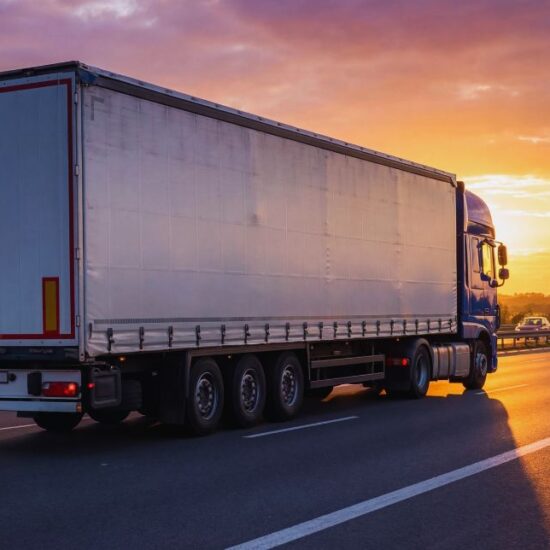
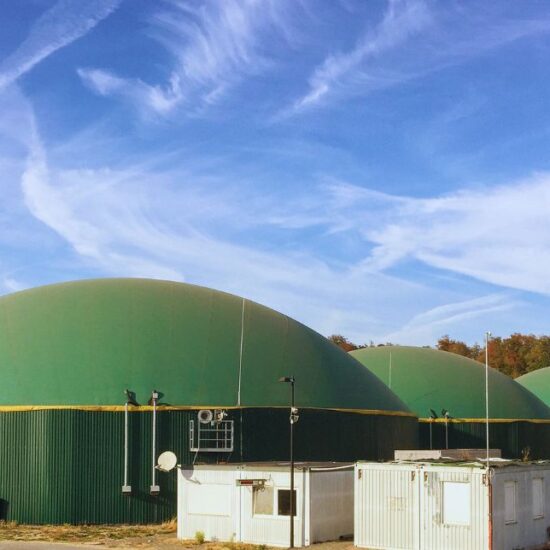
In 2026, Brazil accelerated the adoption of biomethane as a fuel for heavy trucks and buses. Automakers, waste managers and large consumer goods companies are signing long-term contracts, building their own supply infrastructure and producing fuel from the waste they themselves generate. For investors, the movement signals the formation of a market with structured demand, growing regulatory support and potential for expansion along the entire value chain, from the biomethane plant to the highway station.
Continue Lendo...
emissões de gases de efeito estufa

Greenhouse Gas Emissions

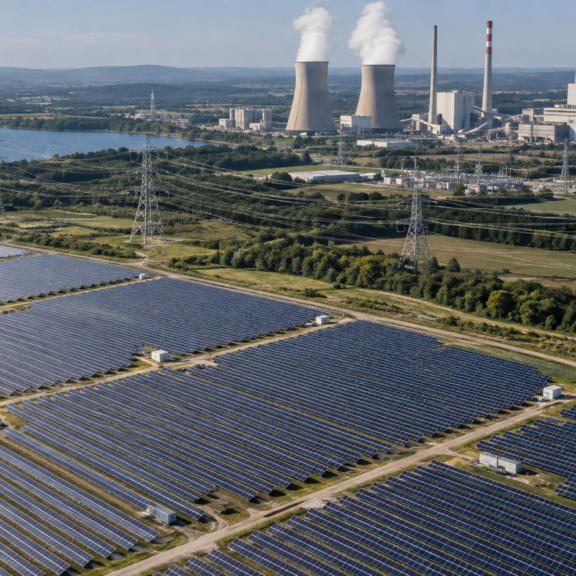
In 2025, managing greenhouse gas (GHG) emissions has become essential for companies committed to sustainability. The GHG Protocol categorizes these emissions into three scopes, enabling a detailed analysis of environmental impact.
Continue Lendo...
Brasil alcança recorde na redução de carbono com energia limpa em uma década

Brazil achieves record carbon reduction with clean energy in a decade

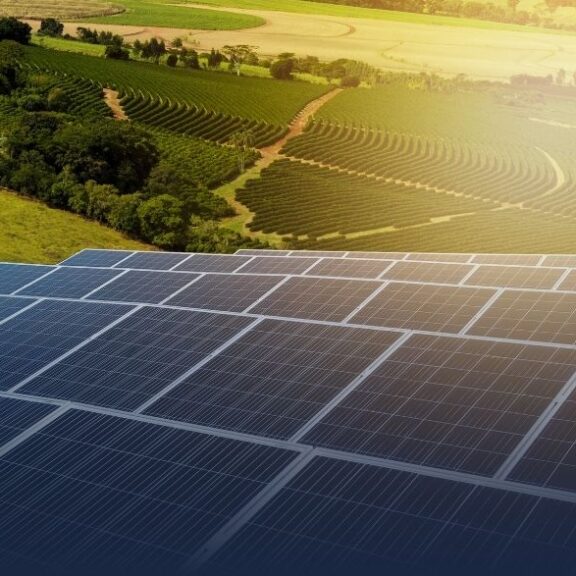
In the Brazilian energy scenario, the year 2023 marked a historic turning point, characterized by the lowest rate of carbon emissions in electrical generation in the last eleven years. This achievement not only highlights Brazil's commitment to global environmental goals, but also highlights the growing influence of renewable sources in the national energy matrix. Driven by a diversified generation model, the country managed to reach a surprising rate, where 93% of the electricity generated comes from renewable sources, including hydroelectric, wind, solar and biomass.
Continue Lendo...
Marco legal do hidrogênio verde. Uma nova era para a energia sustentável no Brasil

Green hydrogen legal framework. A new era for sustainable energy in Brazil

Green hydrogen, considered the “fuel of the future”, is at the center of discussions about the global energy transition. Produced through renewable sources, such as wind and solar energy, it does not emit carbon, being an alternative to fossil fuels. Its versatility makes it a valuable input for industries such as fertilizers, cement and petrochemicals, as well as being a potential fuel for maritime and air transport.
Continue Lendo...