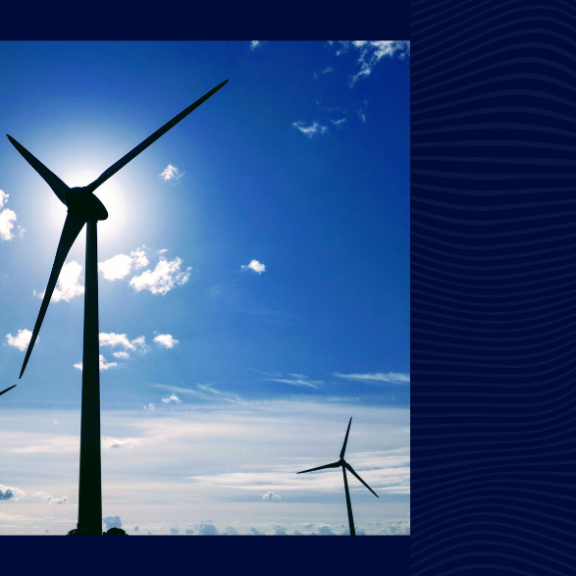
The energy transition is a subject that has become a trend in many countries. With the advance of global warming and its consequences, there is an urgent need for migration to a low carbon economy.
How will energy consumption in Brazil in the next decade? The energy sector in the country and around the world has been undergoing a transition with the aim of promoting decarbonization, digitization and decentralization (3Ds).
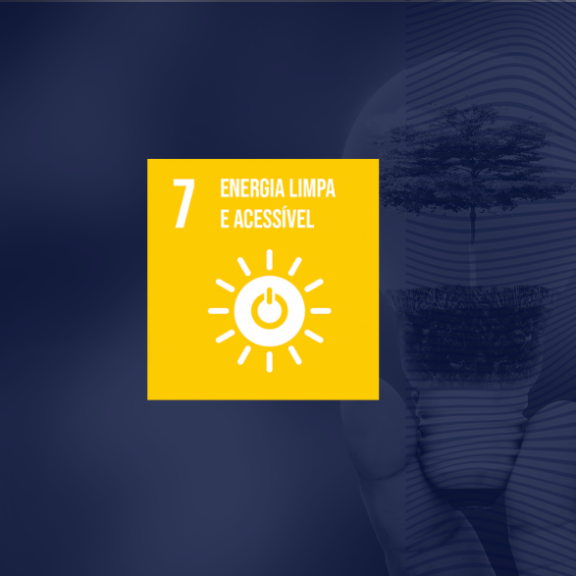
Do you know what the UN Sustainable Development Goals (SDGs) are? In 2015, the Organization set 17 goals that are a global call to end poverty, protect the environment and climate, and ensure the prosperity of people everywhere in the world. The organization's expectation is that the goals will be achieved by 2030.
Bill 3865/2021 aims to encourage actions to encourage biogas and biomethane with the creation of the Incentive Program for the Production and Use of Biogas, Biomethane and Associated By-products (PIBB). The project was proposed by deputy Arnaldo Jardim, who is vice president of the Parliamentary Front for Renewable Energy. The proposal came a day after Brazil joined the Global Commitment on Methane, which provides for a 30% cut in emissions by 2030. Thus, the approval of the project would be one of the necessary steps for the country to be able to decarbonize the sectors and curb the global warming.
Disruptive technologies, in addition to playing an important role in innovation, also help with sustainability. Read the content and understand this relationship.
Distributed generation in Brazil continues to grow and reached another installed capacity record, reaching 7 GW of power in September 2021. It is worth mentioning that the 6 GW mark was achieved in June.
Faced with the challenges of developing the electricity sector, players debate how to modernize and encourage new sources, such as the generation of solar energy.