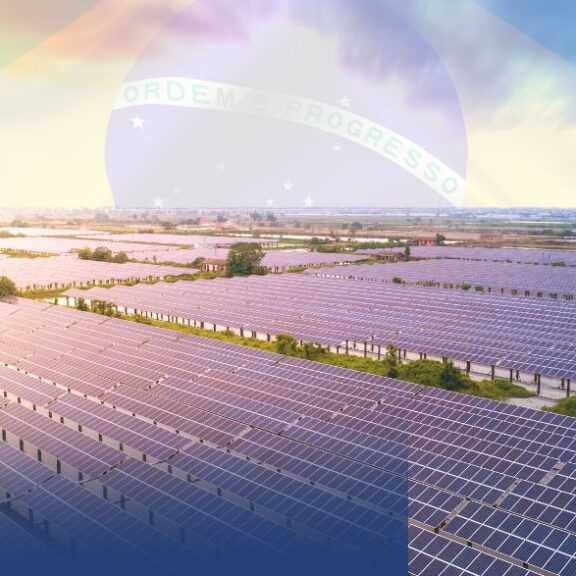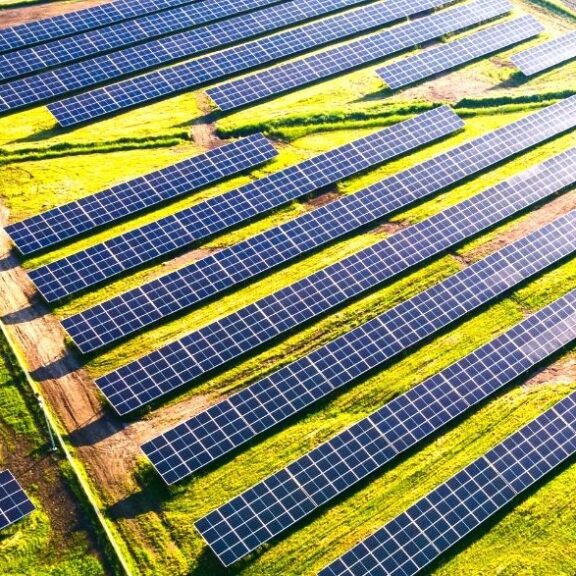
The energy market in 2022 in Brazil was resilient and had solar energy as one of the main sources of growth in the year. The electricity sector has undergone important changes inside and outside the country.
In recent years, solar energy has seen exceptional growth in Brazil. For this to happen, several factors were important to build this scenario. First, the recurrent increases in energy costs for the final consumer made people migrate to cheaper alternatives.
The growth in demand for solar energy in Brazil reflects the trend observed worldwide in the search for alternatives to fossil fuels. In addition to several warnings issued by specialists around the increase in global warming caused by greenhouse gases, the war between Russia and Ukraine highlighted the urgency of the need for countries, especially European countries, to invest in other sources of energy to avoid dependence on the Russian gas.
The debate on climate change has stimulated several countries to seek measures to stop this advance and, in Brazil, it was no different. Therefore, the regulated carbon market was created in the country with the intention of developing initiatives to mitigate emissions.
With the increase in adherence and the search for renewable sources, biomass has grown and developed in the Brazilian energy market. In this sense, biogas and biomethane are also highlighted. But what is the difference between them?
The discourse on the use of renewable energy as an alternative to fossil fuels has gained strength in recent times, mainly due to the climate crisis. In addition, non-renewable energy sources, such as oil and its derivatives, are finite resources that took millions of years to become available.
The carbon market emerged from the creation of the United Nations Convention on Climate Change (UNFCC), during ECO-92, in Rio de Janeiro. The creation of the market arose from the need to find ways to decarbonize economies, transforming good results into credits.
In addition to reducing emissions, other actions, such as investments in renewable energy and capture and removal, need to take place to bring levels to zero.
According to the Intergovernmental Panel on Climate Change (IPCC), the next three years will be decisive for achieving zero greenhouse gas (GHG) emissions by 2050.
What is the role of the energy transition in global energy demand? With the recent events of the war in Ukraine promoted by Russia, European countries are having to make an unsustainable move to maintain their energy supply.
The country set a record for expanding installed wind power capacity in 2021, according to federal government data. The source already represents 11% of the Brazilian energy matrix, constituting about 20 GW of installed power. With the increase, Brazil took the sixth position in the Global Wind Energy Council (GWEC) ranking of total installed capacity of onshore wind energy, in 2021.