The energy transition is a subject that has become a trend in many countries. With the advance of global warming and its consequences, there is an urgent need for migration to a low carbon economy.
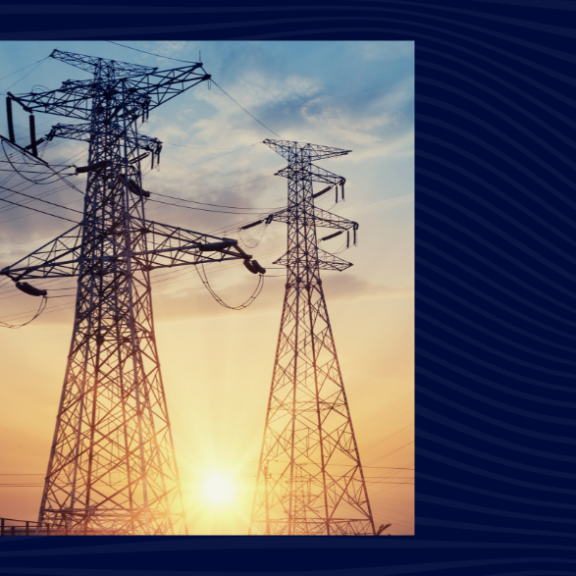
How will energy consumption in Brazil in the next decade? The energy sector in the country and around the world has been undergoing a transition with the aim of promoting decarbonization, digitization and decentralization (3Ds).
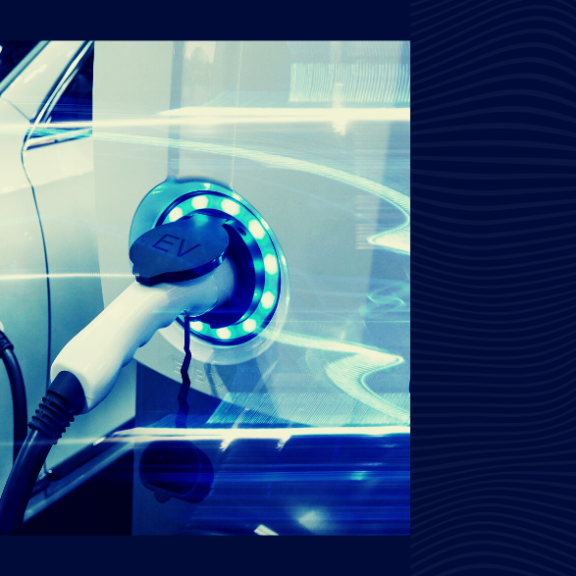
How is the energy crisis impacting mobility? Traditionally, the main means of transport, such as cars, motorcycles, buses, trucks and aircraft, use fossil fuels for their operation. However, with the need for the energy transition to maintain the environment and the crises that have been occurring not only in Brazil, there is a need to think about the future of mobility and electric vehicles emerge as the solution.
The Energy Operation Plan (PEN) aims to present the assessments of the conditions of service to the expected market of electric energy of the National Interconnected System - SIN for the horizon of the energy operation planning, five years ahead.
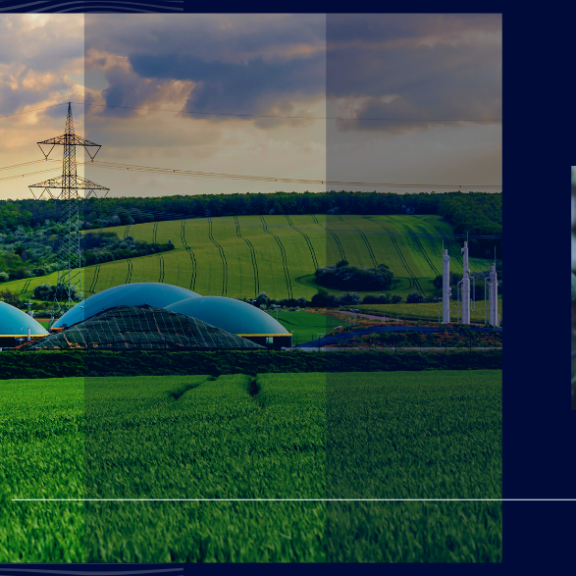
Bill 3865/2021 aims to encourage actions to encourage biogas and biomethane with the creation of the Incentive Program for the Production and Use of Biogas, Biomethane and Associated By-products (PIBB). The project was proposed by deputy Arnaldo Jardim, who is vice president of the Parliamentary Front for Renewable Energy. The proposal came a day after Brazil joined the Global Commitment on Methane, which provides for a 30% cut in emissions by 2030. Thus, the approval of the project would be one of the necessary steps for the country to be able to decarbonize the sectors and curb the global warming.
Unfortunately, Brazil has not had a good position in reducing the emission of greenhouse gases. While other countries had a reduction of almost 7% with the effects of the pandemic, our country increased this rate by 9.5%. Of the five sectors of the economy that account for the totality of emissions in the country: three increased (agriculture, waste and land use change), one remained stable (industrial processes) and one declined (energy).
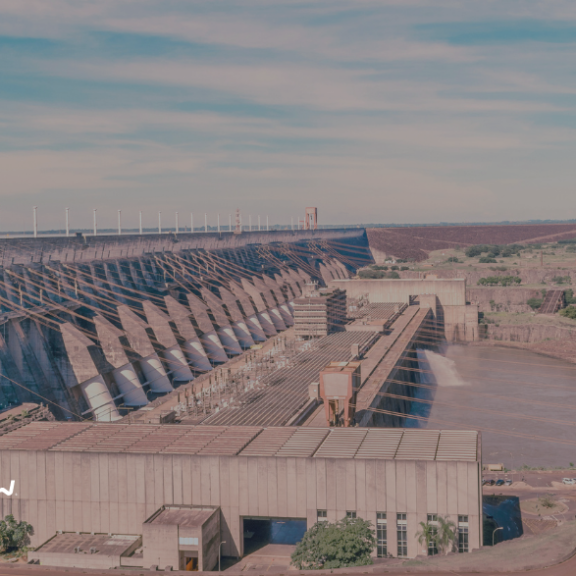
With the water crisis, new opportunities in the energy sector emerged. If before the crisis, the most advantageous energy model was that of hydroelectric power plants, the lack of rain that caused the historic drought and, consequently, the rise in tariffs, meant that other options began to be considered in energy generation.
In the current scenario in the country, understanding what energy efficiency is is important to identify opportunities for optimization from generation to consumption. In times of water and energy crisis, these actions help to reduce costs, maintain supply and reduce waste, which also contributes to the environment. Thus, energy efficiency aims to optimize the use of energy sources to reduce costs and collaborate with the environment. That is, carry out the same processes using fewer resources.
On November 16, the board of the National Electric Energy Agency (Aneel) approved the tender for the 2021 capacity reserve auction. The event is scheduled for December 21 and will focus on contracting thermoelectric plants.
Disruptive technologies, in addition to playing an important role in innovation, also help with sustainability. Read the content and understand this relationship.