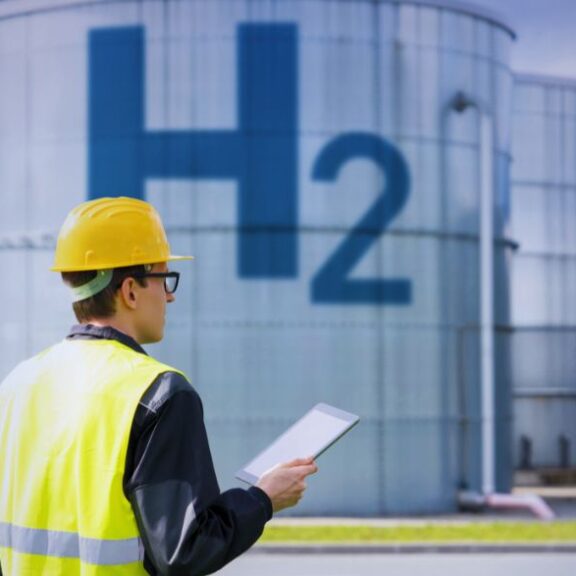
Brazil, according to the Energy Research Company (EPE), had the capacity to produce 21.5 million tons of hydrogen from biogas in 2021, which could supply 21% of global consumption.
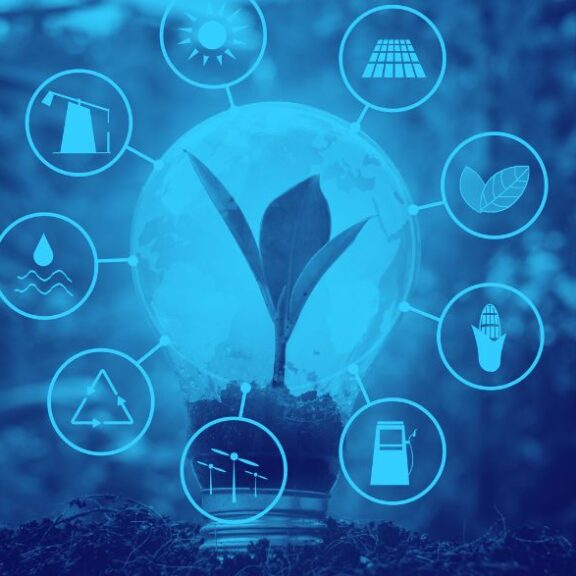
In 2023, Brazil reaffirmed its leadership position in renewable energy, especially in the biofuels sector, being a global model of sustainability and innovation. This article explores the country's recent achievements, highlighting its crucial role in the global transition to cleaner, more sustainable energy.
In a global scenario where consumption and pollution grow exponentially, waste emerges as a symbolic challenge, highlighting methane (CH4) as one of the main villains of the greenhouse effect. In this context, Eva Energia stands out for transforming this environmental problem into a renewable and sustainable energy source.
The Brazilian energy market, particularly with regard to renewable energy, represents a field of constant evolution and significant importance. Brazil, recognized for its predominantly renewable energy matrix, has shown a strong and growing commitment to sustainability and energy transition initiatives. This article aims to explore and elucidate the current dynamics, challenges and future perspectives of the renewable energy sector in Brazil.
The energy market in Brazil has undergone a remarkable evolution in 2023, driven by a mix of favorable government policies, technological advances and a growing interest in clean and renewable energy sources.
The recent trajectory of energy auctions in Brazil illustrates a panorama of significant opportunities and robust expansion in the energy sector. Under the aegis of the Ministry of Mines and Energy (MME), the country is witnessing a series of initiatives that reinforce its commitment to the energy transition, the diversification of the energy matrix and sustainable development.
Green hydrogen, considered the “fuel of the future”, is at the center of discussions about the global energy transition. Produced through renewable sources, such as wind and solar energy, it does not emit carbon, being an alternative to fossil fuels. Its versatility makes it a valuable input for industries such as fertilizers, cement and petrochemicals, as well as being a potential fuel for maritime and air transport.
Brazil assumed the rotating Presidency of the group of the 20 largest economies in the world in December 2023, with the main objective of highlighting the transition to sustainable energy sources, promoting reforms in the global governance model and intensifying efforts in the fight against inequality and hunger.
In November 2023, the world will turn its eyes to Dubai, where the 28th edition of the Conference of the Parties (COP28) will take place, a crucial event on the global climate agenda. Organized by the United Nations Framework Convention on Climate Change (UNFCCC), COP28 represents an important milestone in the fight against climate change and in promoting a sustainable energy transition.