

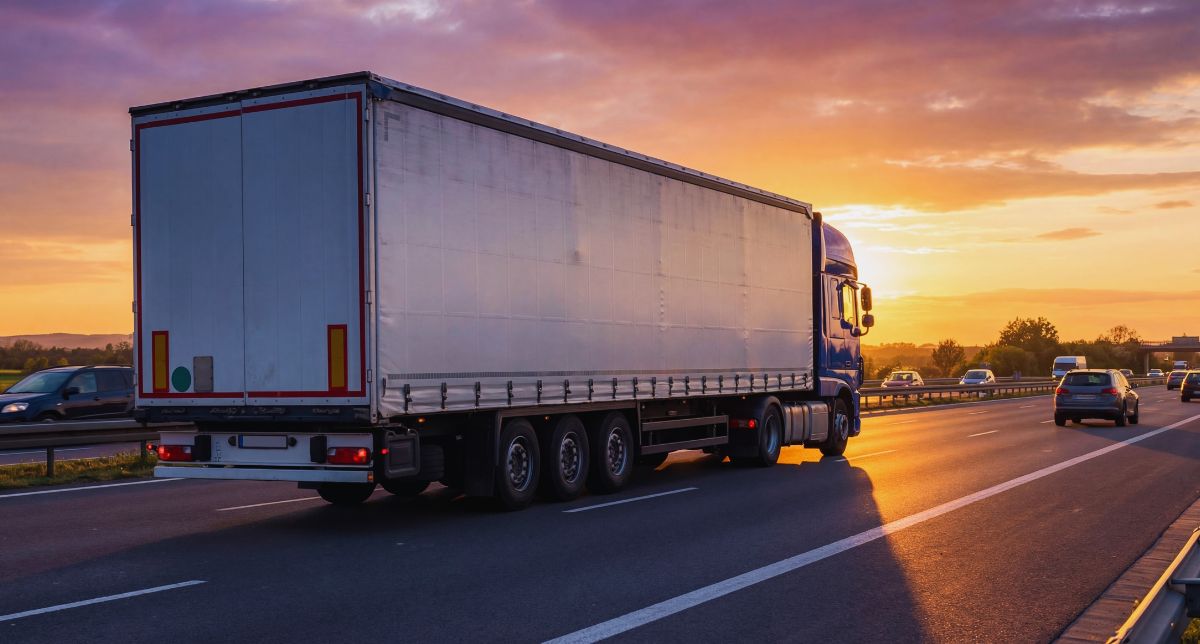
With more than 2,500 gas-powered trucks already in operation, multi-billion-dollar agreements across the value chain, and a recently consolidated regulatory framework, the heavy-duty road transport sector is now at the center of some of the most relevant developments for investors in Brazil’s biomethane market.
Electrification is not a complete solution — and the market knows it
When the world discusses transport decarbonization, the first image that comes to mind is the electric car. However, there is a segment that electric propulsion, at least for now, cannot efficiently replace: heavy-duty freight transport. Trucks traveling 800 kilometers carrying grains or industrial goods face operational demands that current battery technologies cannot meet in an economically viable way, whether due to storage weight, charging time, or total cost of ownership.
It is in this gap that biomethane is gaining traction in Brazil in 2026. Produced through the purification of biogas generated from organic waste — including landfills, agro-industrial residues, livestock operations, and wastewater treatment plants — biomethane has physicochemical properties nearly identical to those of fossil natural gas. This means it can be used in the same engines, pipelines, and refueling stations without requiring a complete redesign of existing infrastructure.
The transition, therefore, is faster and less costly than it may seem. And the data is beginning to confirm this.
A market born in 2019 and maturing in 2026
The Brazilian market for gas and biomethane-powered trucks gained commercial traction starting in 2019. According to industry data, more than 2,500 trucks fueled by natural gas and biomethane are already in operation in the country, creating a segment that simply did not exist a decade ago. For 2026, fleet expansion is expected to continue, alongside the maturation of renewable fuel supply and refueling infrastructure.
This is not merely a niche market. Heavy-duty transport powered by renewable gas is being adopted across diverse sectors, signaling that this shift is structural rather than cosmetic.
In 2026, recent market developments point to the expansion of dedicated refueling projects, using biomethane derived from urban and industrial waste to supply logistics fleets operating over medium and long distances. This type of arrangement reinforces the connection between waste management, renewable fuel production, and emissions reduction in heavy transport.
In the agro-industrial sector, the same logic is advancing. Agricultural and sugar-energy residues are increasingly being assessed as feedstock for biomethane plants capable of supplying in-house transport operations, particularly along routes linked to the movement of inputs and raw materials. This goes beyond fuel substitution — it transforms organic liabilities into energy assets.
In urban logistics, fleet conversion projects to natural gas and biomethane are also beginning to scale, particularly in waste collection operations. The synergy is direct: collected waste can be used to produce biogas, upgraded into biomethane, and reintegrated into the same chain as a low-emission fuel.

From plant to landfill: the circular model attracting investors
What stands out in these recent developments is not only the scale of investments, but the underlying logic: companies generating organic waste are increasingly viewing it as feedstock for the fuel that powers their own logistics operations.
This circular model has direct implications for cost structures and risk profiles. When a company produces the biomethane it uses to fuel its fleet, it reduces exposure to diesel price volatility, generates measurable environmental credits, and improves its ESG performance without relying on third parties. For portfolio managers and risk analysts, this level of vertical integration signals operational maturity and revenue predictability over time.
This model is already emerging in urban waste management projects, where operations aim to close the loop between collection, treatment, biogas generation, biomethane upgrading, and fleet fueling. The logic is particularly relevant for municipalities, concessionaires, and private operators seeking to reduce emissions, improve efficiency, and create new environmental revenue streams.
For investors, the message is clear: biomethane in transport is not a corporate communication pilot project. It is a real capital allocation strategy, with structured return horizons and growing regulatory support.
The decisive role of regulation
The consolidation of the regulatory environment in 2026 was the catalyst needed to scale the market. In March, the ANP published Resolutions No. 995 and 996/2026, establishing mandatory biomethane targets for natural gas producers and importers and creating the Biomethane Guarantee of Origin Certificate (CGOB). On April 1st, the CNPE set a 0.5% GHG emissions reduction target for the natural gas market in 2026, to be met through the use of CGOBs.
The CGOB introduces a key feature: it separates the physical molecule from its environmental attribute. This allows a transport operator to consume biomethane in one region while trading the certificate elsewhere, creating an additional revenue stream from the same asset.
From a regulatory standpoint, Abegás assessed the framework as the “legal tripod” of the Future Fuels Law: legislation enacted in 2024, regulatory decree in 2025, and ANP resolutions in 2026. The framework is now in place. What follows is implementation and price formation in the certificate market.
The most immediate risk lies here: the first compliance cycle in 2026 will be enforced alongside 2027 targets, increasing pressure on obligated agents from the outset. At the same time, the ANP has not yet fully accredited all Certification Bodies (ACOs), which may create operational bottlenecks in the issuance of initial CGOBs. Investors with exposure to the sector should monitor this timeline closely.
The bottleneck still limiting growth: refueling infrastructure
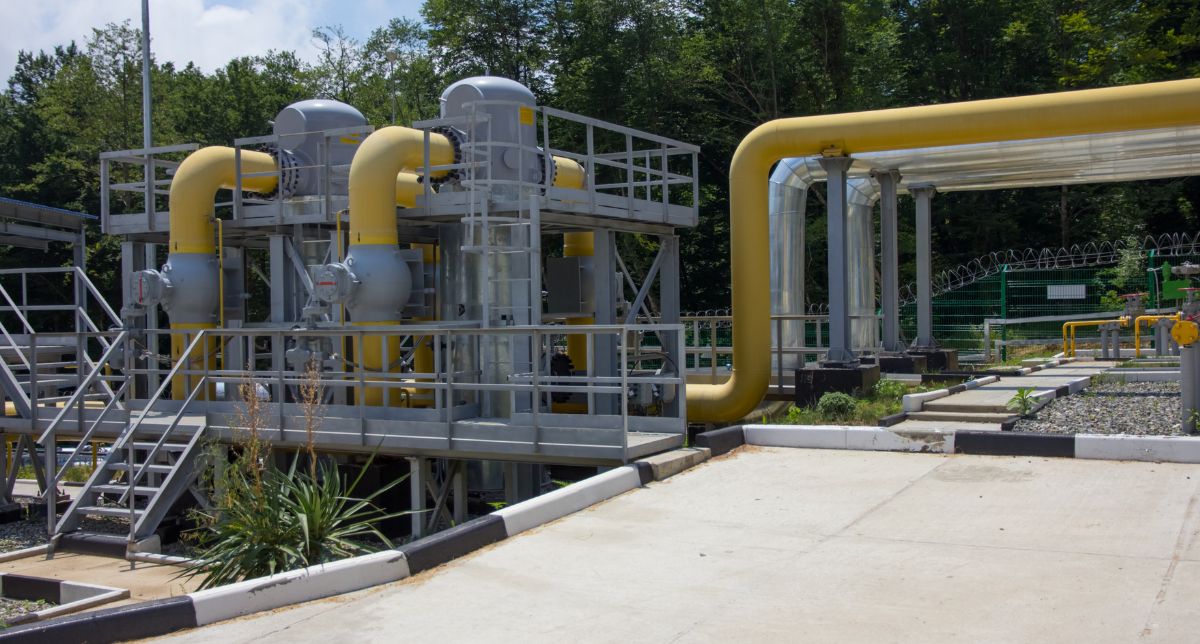
The main barrier to scaling biomethane in heavy-duty transport is neither technological nor regulatory. It is physical: the lack of a dense refueling network along the country’s main highways.
Brazil has approximately 1,700 natural gas refueling stations — a significant number globally, but concentrated in urban centers and insufficient for long-haul operations. The state of Paraná has taken the lead by developing Sustainable Corridors equipped with gas and biomethane refueling infrastructure for heavy vehicles, connecting São Paulo, Santa Catarina, Mato Grosso do Sul, and the Port of Paranaguá. Thirteen strategic stations are already in operation.
At the federal level, the Ministry of Transport is discussing integrating gas refueling stations into highway concessions, which could accelerate the development of a national network. However, the initiative is still under discussion. For market entrants, refueling infrastructure remains the critical factor: projects that include dedicated fueling solutions (such as private depots) have a clear short-term competitive advantage.
The scale potential confirmed by data
A Copersucar study on biomethane in Brazil projects that national production will more than triple by 2027, increasing from 656 thousand m³/day (2024, ten plants) to 2.3 million m³/day with 42 new units. In the long term, total potential is estimated at over 100 million m³/day, positioning biomethane as one of the most significant frontiers of Brazil’s green economy.
Specifically for transport, a study by LCA Consultores for Instituto MBCBrasil indicates that biomethane could replace up to 70% of diesel consumption in heavy-duty transport by 2040. This represents a vast addressable market, given Brazil’s large and diesel-dependent heavy vehicle fleet.
From an operational standpoint, the economics are already becoming viable: gas-powered fleets can achieve meaningful cost savings per kilometer compared to diesel, depending on route, local fuel prices, and infrastructure availability. With biomethane, environmental benefits are added to economic gains: up to 90% reduction in GHG emissions compared to diesel, along with near elimination of particulate matter. Over time, this may translate into tax incentives and access to contracts requiring carbon traceability in supply chains.
What investors should monitor
The biomethane market for heavy-duty transport in Brazil is growing rapidly, though still concentrated among a limited number of players and regions. Opportunities are clear, but risks must also be carefully assessed.
Key opportunities: development of biomethane plants near landfills and major transport routes; integrated biomethane projects (production + dedicated fueling); investment in refueling infrastructure along Sustainable Corridors; and positioning in the emerging CGOB market as a tradable environmental asset.
Key risks: delays in CGOB operationalization (with certification bodies still under accreditation); simultaneous enforcement of 2026 and 2027 targets; regional concentration of infrastructure; and volatility in biomethane production costs, which remain dependent on access to suitable waste streams.
The post-COP30 regulatory environment adds another layer: Brazil’s decarbonization commitments are increasing pressure on high-emission sectors, including freight transport. Companies delaying fleet transition may face not only competitive disadvantages but also growing regulatory scrutiny.
Conclusion
Biomethane in heavy-duty transport has moved beyond technical discussions and into boardroom strategy. Capital is being actively deployed in this market, not merely due to regulatory requirements, but because the operational and environmental economics are increasingly compelling.
Brazil holds a unique combination of advantages: abundant residual biomass, one of the world’s largest heavy-duty fleets, and a recently consolidated regulatory framework that creates structural demand for biomethane. This combination is rare. The window of opportunity remains open, but the pace of new projects and investments in 2026 suggests it will not remain so indefinitely.
For investors, biomethane is no longer a peripheral topic, but a strategic agenda connecting waste management, sanitation, and energy infrastructure in Brazil’s transition to a low-carbon economy.

Comment