

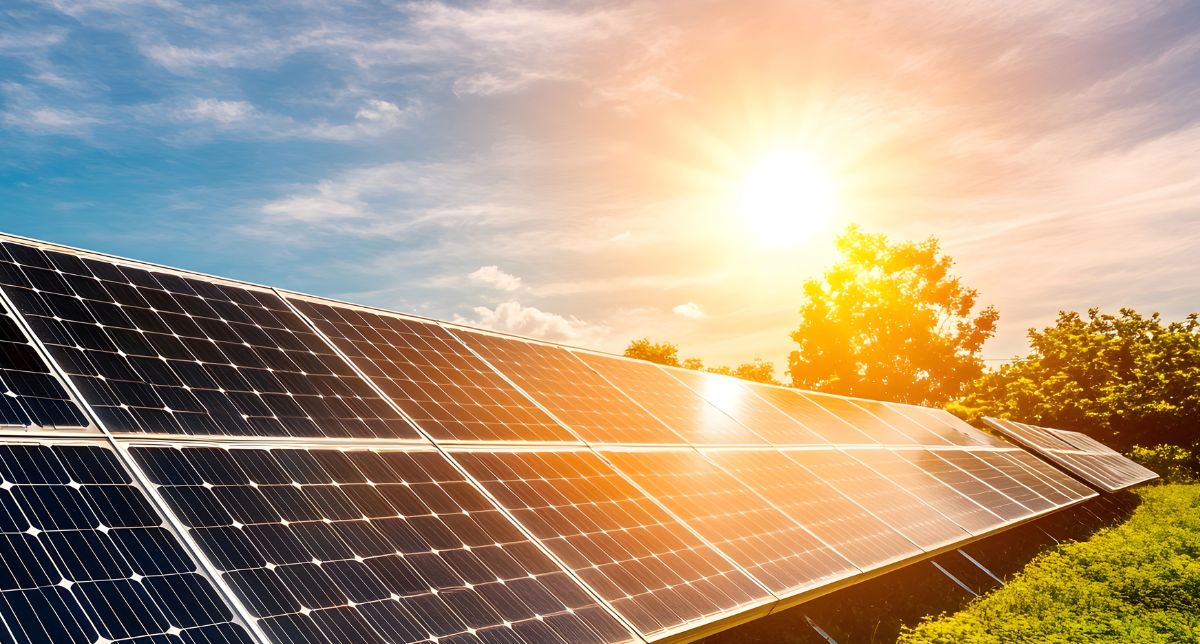
Brazil’s solar market enters 2026 at a slower pace and raises a warning for the country’s energy transition
With a projected 7% contraction in expansion in 2026, the photovoltaic sector revises expectations, calls for adjustments in grid infrastructure and regulation, and tries to turn the slowdown into an opportunity for maturity.
Brazil enters 2026 with a contrast that draws attention in the power sector. After years in which solar energy symbolized accelerated growth, projections by industry associations and consultancies point to a second consecutive year of deceleration in the expansion of the source. According to data from the Brazilian Photovoltaic Solar Energy Association (ABSOLAR), the capacity added in 2026 is expected to shrink by around 7% compared to 2025, a move that consolidates a cycle shift for the market.
A survey released by Canal Solar, based on projections from ABSOLAR, indicates that the country should add around 10.6 gigawatts (GW) of new photovoltaic capacity in 2026, compared with an estimated 11.4 GW in 2025 and approximately 15 GW installed in 2024. Even with the slowdown, Brazil is expected to surpass the 75.9 GW mark of cumulative capacity by the end of 2026, combining distributed generation systems on rooftops and small projects with large centralized plants connected to the National Interconnected System.
According to analyses published by specialized outlets such as pv magazine Brasil and regional portals, the pullback does not mean the end of solar’s leading role, but rather an inflection point in which regulatory, financial, and infrastructure bottlenecks cease to be footnotes and begin to define the pace of the transition.
From boom to course correction
The 2026 scenario is a direct result of the sector’s recent trajectory. Between 2020 and 2024, solar energy went through a cycle of strong expansion, supported by falling equipment costs, attractive credit lines, and, in the case of distributed generation, an energy compensation scheme that encouraged consumers to rush to install their own systems.According to data released by ABSOLAR, 2024 was a record-breaking year, with more than 15 GW added, while the installed base grew at a historic pace. In 2025, however, the first signs of deceleration began to appear, with investment revisions, project cancellations, and growing financing difficulties.A report by pv magazine Brasil notes that the market entered 2025 already under the impact of increased generation cuts—known as curtailment—in regions where transmission infrastructure failed to keep pace with the growth of plants. At the same time, rising interest rates and exchange-rate volatility increased the cost of capital and equipment, squeezing margins in a highly competitive sector.
Figures behind the 2026 contraction
The effects of this combination are reflected in projections for 2026. According to Portal Solar, citing estimates from industry entities, the expected expansion of 10.6 GW represents a significant slowdown, but from a high base, consolidating solar as one of the main sources in Brazil’s power mix.ABSOLAR projects that by the end of 2026 the country should total around 51.8 GW in distributed generation and 24.1 GW in centralized plants, exceeding 75.9 GW of installed photovoltaic capacity. Even so, reports point out that the slowdown translates into weaker momentum for revenues and jobs: published analyses indicate that sector revenues could fall from levels above R$13 billion in 2025 to around R$10.5 billion in 2026.An article from the portal Grandes Construções highlights that investment volumes in new projects tend to be lower, affecting especially small integrators, engineering firms, and suppliers of structures and services, which are more exposed to short-term demand fluctuations.
High interest rates, expensive credit, and exchange-rate pressure
In the view of analysis houses such as XP Investimentos, one of the central factors behind the slowdown is the still-high interest rate environment. A brokerage report published in December 2025 stated that solar energy “is expected to grow less in 2026” due to generation cuts and the cost of capital, which makes it harder to make long-term financed projects viable.With high real interest rates, financing for residential, commercial, and small rural producers has become more expensive, reducing the attractiveness of payback periods in some cases. In addition, exchange-rate volatility and dependence on imported components—such as modules, inverters, and electronic equipment—increase the sector’s exposure to price shocks, especially in the short term.According to analysts interviewed by industry portals, this creates a tougher filter for new developments: only projects with more robust contracts, more conservative capital structures, and well-prepared grid connection studies are able to move forward safely in this environment. 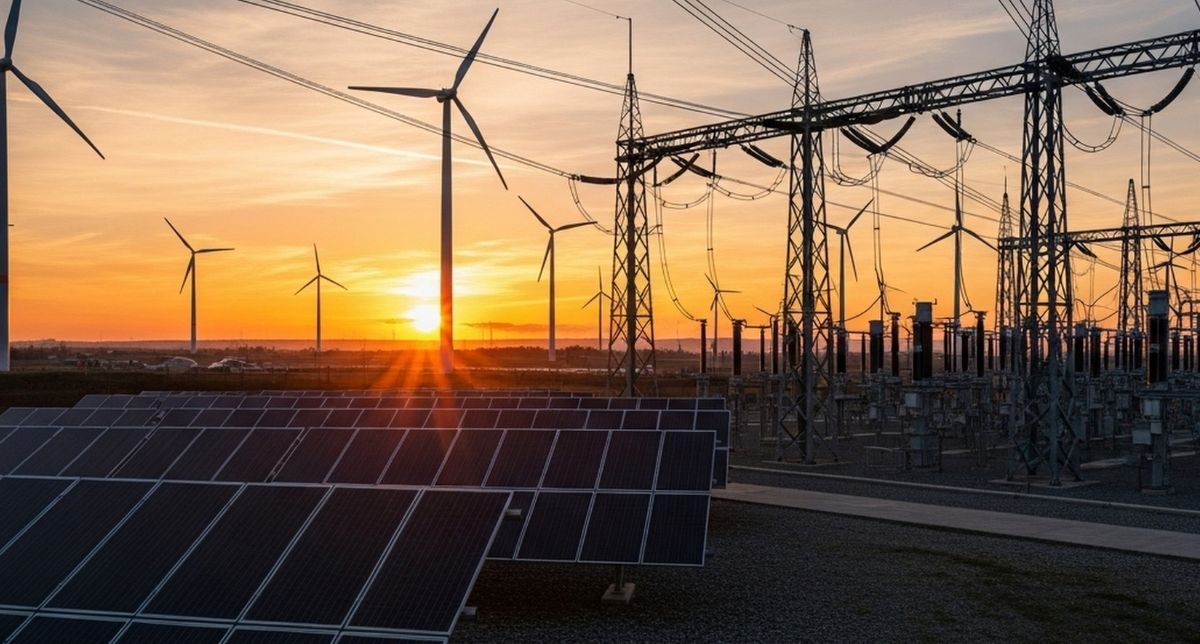
Curtailment and grids under pressure
If interest rates and exchange rates explain part of the slowdown, the issue of power infrastructure emerges as the Achilles’ heel of the new cycle. Reports from Canal Solar and regional websites show that, in different states, solar and wind plants have begun to face generation cuts at certain times to avoid overloading transmission lines and substations.According to these accounts, the absence of a consolidated mechanism to compensate for un-delivered megawatt-hours increases the perceived risk for investors. In long-term contracts, uncertainty over the volume actually sold can undermine project bankability, leading to investment revisions or postponements.A study cited by the InfraRoi portal, based on the 2026 Electric Energy Outlook, reinforces that the expansion of transmission infrastructure will be decisive for the pace at which new renewable plants enter the system. The diagnosis is that the grid has not yet been sized for such a large volume of variable generation concentrated in certain regions, requiring reinforcements as well as storage and demand-flexibility solutions.
The energy transition continues, but calls for predictability
Even as the solar market taps the brakes, reports on the energy transition show that demand for electricity is expected to continue growing in Brazil and worldwide. According to WayCarbon’s analysis of the status of the energy transition in 2025 and the outlook for 2026, factors such as digitalization, the expansion of data centers, electrification of vehicle fleets, and the replacement of fossil fuels with electricity are likely to put pressure on consumption in the medium and long term.A study cited by Revista Mundo Elétrico notes that the energy sector projects a scenario of growing demand in 2026, with renewables playing a strategic role in ensuring supply with lower carbon emissions. In this context, solar energy remains a key component of the mix, but faces the challenge of operating in a more complex environment, where the quality of regulation, grid planning, and the design of financial instruments are as relevant as the cost per kilowatt-hour.
Free market, digitalization, and the solar “next cycle”
While distributed generation feels the effects of high interest rates and curtailment more directly, the gradual opening of the free energy market and large consumers’ search for long-term contracts with renewable sources open up a new front of opportunities.According to a study highlighted by the Quantum Engenharia portal, trends for the power sector in 2026 include grid digitalization, automated substations, smart metering, and advanced use of data to plan system operations. These transformations make it possible to integrate a larger volume of solar and other renewables into the system, reducing losses and improving real-time monitoring.For specialists, the “next cycle” of solar energy in Brazil will be less marked by pure volumetric expansion and more by smart integration, sophisticated contracts, and combination with other technologies such as storage, demand management, and hybrid solutions.
An inflection point for the sector
In this scenario, 2026 is likely to be remembered more as a year of course correction than of rupture. The 7% contraction projected by ABSOLAR can be read as a sign that the explosive growth of previous years has run up against limits in grid capacity, regulation, and financing, and now calls for structural responses.According to an internal analysis by GNPW, which operates in project development and energy solutions, the moment represents a transition between two models. In the company’s view, the phase in which it was enough to identify a good solar resource and access affordable credit is coming to an end; the new stage calls for better-structured projects, with long-term contracts, careful curtailment risk analysis, technological monitoring, and integration with clients’ decarbonization strategies.
In the view of the company’s specialists, if the country responds with a coordinated agenda to expand transmission, clear policies to compensate for generation cuts, and more competitive green financing instruments, the 2026 “slowdown” may in the future be seen as a necessary adjustment in a sector that grew too fast. Otherwise, the risk is turning a temporary deceleration into prolonged uncertainty—precisely at a time when the energy transition requires more, not less, clean energy.

Comment