

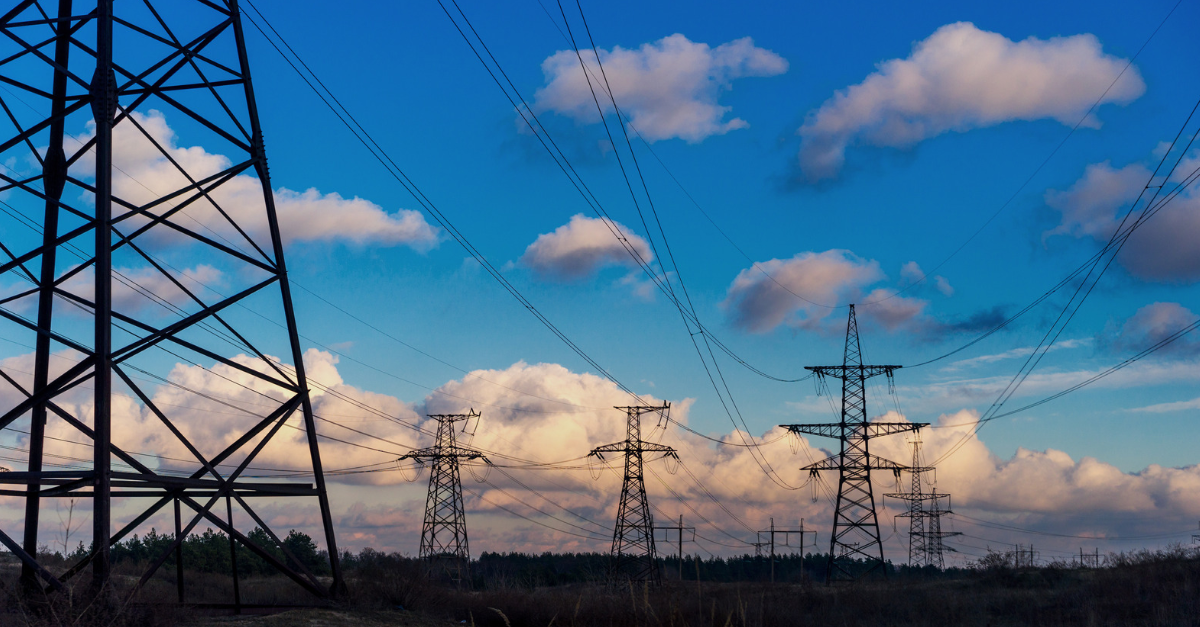
A new transmission auction scheduled for October 30 is expected to attract BRL 8.9 billion in investment, underscoring the importance of electricity infrastructure to Brazil’s energy expansion.
Generating electricity is essential. Ensuring it can be transmitted, integrated into the grid, and delivered to consumption centers is just as critical.
In Brazil, economic activity, industrial development, and the expansion of new power generation facilities are creating demand across different regions, making transmission infrastructure strategically important.
On October 30, 2026, Brazil’s National Electric Energy Agency (ANEEL) will hold Transmission Auction No. 4/2026 at B3, the Brazilian stock exchange in São Paulo. The auction is expected to attract an estimated BRL 8.9 billion in investment, covering projects in seven Brazilian states.
Beyond an infrastructure investment opportunity, the auction highlights a central challenge in energy planning: expanding the sector depends not only on the ability to generate electricity, but also on the infrastructure needed to transmit it safely and reliably.
Infrastructure Connecting Different Regions of Brazil
Transmission is a fundamental component of the electricity sector. Through high-voltage power lines, substations, and related equipment, it enables large amounts of electricity to be transported from generation sites to consumption areas.
In a country as geographically vast as Brazil, this function takes on even greater importance.
The location of energy resources does not always coincide with the largest consumption centers. Economic and industrial changes also continually reshape the geographic distribution of electricity demand.
Expanding transmission infrastructure therefore requires an integrated view of the power system.
It is not enough to identify locations with potential for new projects. Planning must also account for available transmission corridors, grid operating limits, substation capacity, future supply requirements, and technical alternatives for integrating new facilities.
The transmission grid operates as shared infrastructure. Its planning must consider the performance of the entire system rather than the needs of any single project.
This is one reason why transmission projects undergo planning studies, engineering assessments, and evaluations of technical alternatives before implementation.
What the October Auction Includes
According to ANEEL, Transmission Auction No. 4/2026 includes projects in Bahia, Goiás, Mato Grosso do Sul, Paraíba, Paraná, Rondônia, and São Paulo.
Key figures announced for the auction include:
- BRL 8.9 billion in estimated investment;
- 1,866 kilometers of new transmission lines and line sectionalization projects;
- 12,694 MVA of transformation capacity;
- More than 20,000 direct and indirect jobs expected to be associated with the projects;
- Implementation periods ranging from 42 to 60 months after the concession agreements are signed.
These figures illustrate the scale of the planned investments.
They also help explain the complexity of transmission projects.
Transmission lines and substations do not operate as independent structures. They must meet technical requirements, integrate with system operations, and comply with licensing, construction, and regulatory oversight procedures.
Developing new assets involves route studies, equipment procurement, engineering design, regulatory approvals, and management of project schedule risks.
The implementation timelines established for the auction show that decisions made today will shape Brazil’s electricity infrastructure for years to come.
Why Expanding the Transmission Grid Is Strategic
The growth of Brazil’s energy infrastructure involves several interconnected needs.
One is keeping pace with changes in electricity consumption.
Another is providing the technical conditions needed to connect new generation facilities to the grid.
There is also a need to strengthen electricity supply in regions undergoing economic transformation, attracting new industrial developments, or requiring additional supply capacity.
Transmission plays a fundamental role in all these scenarios.
A properly planned network can expand the system’s operational flexibility, facilitate electricity exchanges between regions, and improve supply reliability.
This does not mean every new transmission line automatically delivers these benefits to the same degree. Outcomes depend on each project’s technical characteristics and how it interacts with other parts of the network.
That is precisely why integrated planning matters.
When new facilities are designed around system needs, transmission investments can help address specific constraints while preparing infrastructure for future changes.
For businesses and industries, this adaptability is particularly relevant.
Industrial expansion, the development of new economic hubs, and the electrification of certain processes make it increasingly important to have infrastructure capable of keeping pace with changing demand.
Transmission Investment Requires a Long-Term Perspective
Transmission projects have characteristics that distinguish them from other types of energy investments.
They are infrastructure assets requiring substantial capital, technical planning, regulatory procedures, and implementation schedules spanning several years.
Evaluating a project involves much more than its initial construction costs.
It requires assessing implementation risks, contractual conditions, performance obligations, operating costs, equipment availability, and execution capabilities.
Engineering also plays a decisive role.
Decisions regarding transmission line routes, geographic conditions, equipment technology, and substation configurations can influence both construction and long-term asset operations.
Environmental and social considerations must likewise be incorporated from the earliest stages of development.
Integrating planning, engineering, permitting, and project management helps reduce uncertainty and improve decision-making.
In this context, infrastructure investment extends well beyond the amount announced at an auction.
The projected capital represents one stage of a broader process, whose success depends on the ability of participating companies to turn awarded projects into completed, operational facilities.

Generation Growth Also Depends on the Grid
Discussions about energy expansion often focus on building new power plants.
However, generation facilities need suitable grid connection conditions to deliver their electricity to the power system.
The availability of transmission infrastructure can therefore influence site selection, development schedules, and the overall feasibility of new projects.
This connection becomes especially important when generation capacity expands in regions far from major consumption centers.
The relationship between generation and transmission requires coordination.
Investing in only one of these areas can leave significant constraints unresolved.
For this reason, power system planning must simultaneously consider changes in electricity supply, demand patterns, and the infrastructure needed to connect the two.
New transmission lines and substations can create additional opportunities to integrate generation projects, provided their technical specifications address needs identified through system studies.
The grid must also adapt to changes in electricity generation profiles and consumption patterns.
This reinforces the importance of up-to-date studies, coordinated decisions, and investments aligned with the system’s actual needs.
Planning, Engineering, and Execution Must Work Together
Developing electricity infrastructure is a long-term undertaking.
Between identifying a system requirement and commissioning a new facility lies a sequence of decisions requiring coordination among multiple stakeholders.
Planning identifies system needs and evaluates alternatives.
Regulatory and contractual frameworks establish the conditions under which investments can proceed.
Engineering translates technical requirements into practical solutions.
Environmental licensing and other approvals define the conditions necessary for projects to move forward appropriately.
Finally, construction and commissioning depend on effective management, procurement, specialized teams, and quality control.
Performance at each stage influences the next.
Equipment delivery delays, civil construction challenges, or changes in implementation conditions can affect schedules and costs.
The quality of project structuring and management is therefore essential to turning planned investments into operational infrastructure.
For investors and industry participants, understanding these interdependencies is an important part of evaluating infrastructure risks.
The Geographic Scope of the New Projects
The inclusion of projects across seven states demonstrates that transmission expansion must address different regional conditions.
Each project has specific requirements related to electricity supply, grid connections, or network reinforcement.
Terrain conditions, facility locations, and existing electrical infrastructure influence the engineering alternatives available.
This diversity calls for solutions suited to each project’s objectives.
In some cases, expanding substation capacity may be the most relevant requirement. In others, the solution may involve new transmission lines, line sectionalization, or equipment supporting system operations.
Together, these improvements contribute to the development of the electricity grid.
However, planning must consider not only individual infrastructure assets but also how they interact with the rest of the network.
This broader perspective is especially important for regional development.
Adequate electricity infrastructure is an important condition for expanding productive activities, although it does not, by itself, guarantee new industrial investment.
Electricity availability must be supported by economic, logistical, regulatory, and operational factors that make projects viable.
What the Auction Means for the Energy Sector
The projected BRL 8.9 billion in investment puts transmission expansion in the spotlight this week.
The announced amount illustrates the scale of the projects being offered at auction, but it should not be confused with investment that has already been executed.
The auction results will identify the winning bidders and contractual terms, while actual project development will depend on subsequent stages.
This distinction is essential for accurately interpreting infrastructure indicators.
Estimated investment, contracted capital, and funds actually deployed represent different stages of the same process.
Likewise, planned capacity and operational capacity are not equivalent.
For industry observers, tracking project development after the auction will be just as important as the initial bidding results.
Compliance with technical, environmental, regulatory, and contractual requirements will ultimately determine when the new assets can begin delivering the benefits anticipated during planning.
Infrastructure for Brazil’s Next Energy Growth Cycle
Transmission Auction No. 4/2026 highlights the scale of investment required to support the continued development of Brazil’s electricity sector.
Energy transformation does not happen solely at the facilities where electricity is generated.
It also depends on the networks, equipment, and engineering solutions that connect the different components of the power system.
As demand evolves and new projects take shape, infrastructure capable of adapting to these changes becomes increasingly important.
The challenge is not simply to expand the grid, but to deliver investments through sound planning, technical excellence, and a long-term perspective.
The BRL 8.9 billion projected for the auction represents another step in this process.
Developing Brazil’s energy infrastructure means building more than new facilities. It means creating the conditions for electricity to continue supporting the country’s growth.
