

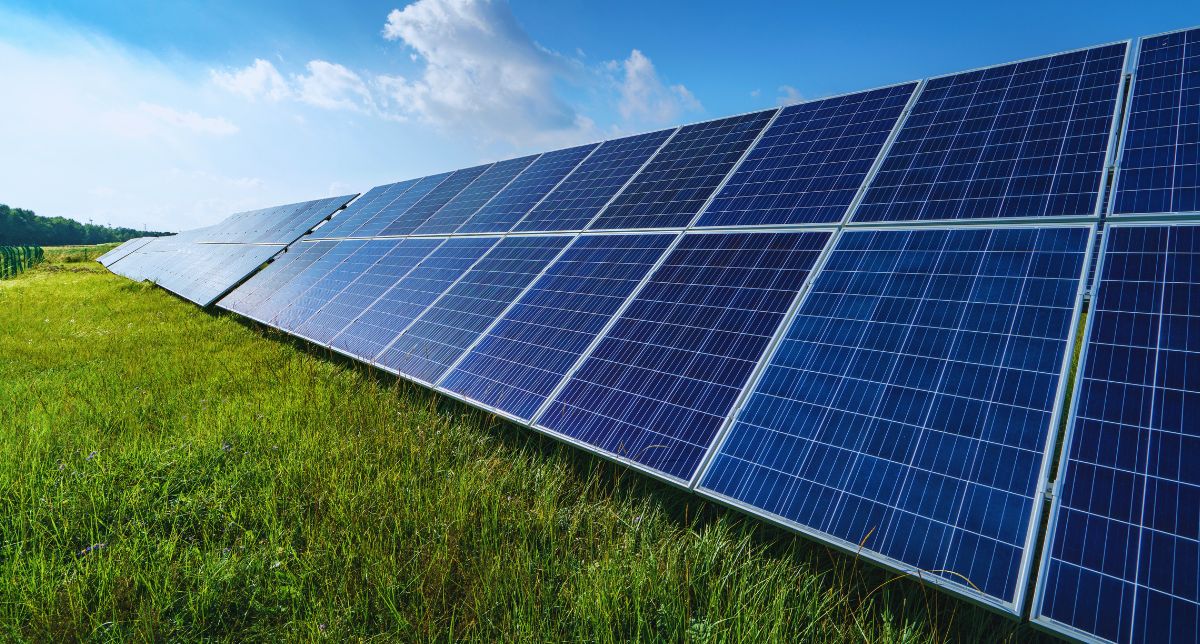
Brazil has just taken another formal step toward a cleaner energy future. The federal government launched a plan to raise renewable sources to 81% of the energy matrix by 2055, consolidating a long-term strategy that involves trillions of reais in investments, millions of jobs, and a profound reconfiguration of how the country produces and consumes energy. The ambition is significant—and so are the challenges.
Where Brazil Stands Today
To understand the scale of the proposed leap, it is necessary to look at the starting point. Brazil already has one of the cleanest energy matrices in the world, but the data must be read carefully, as there is an important distinction between the electricity matrix and the overall energy matrix.
In the electricity sector specifically, performance is remarkable: nearly 90% of the electricity generated in Brazil in 2024 came from renewable sources, according to the National Energy Balance (BEN) 2025, published by the Ministry of Mines and Energy (MME) and the Energy Research Company (EPE). In this calculation, wind and solar energy together already account for 23.7% of total electricity generation.
But when considering the complete energy matrix, which includes transportation, industry, and other energy uses beyond electricity, the picture is different. Renewable sources reached 50% of Brazil’s energy matrix in 2024, an increase of 0.9% compared to the previous year, according to the MME. Even so, this figure is nearly four times the global average of 14.2% and far higher than the 13% recorded in OECD countries.
Recent growth has been driven mainly by the expansion of solar energy (+33.2%), followed by wind (+12.4%) and vegetable oils (+28.35%). At the same time, final consumption of petroleum derivatives and natural gas declined, signaling an ongoing—albeit gradual—transition.
What the New Plan Envisions
The goal of raising renewables to 81% of the total energy matrix by 2055 is part of a broader set of instruments the government has been developing in recent years. The main one is the National Energy Transition Plan (PLANTE), the operational arm of the National Energy Transition Policy (PNTE), approved in August 2024 by the National Energy Policy Council (CNPE) in the presence of President Luiz Inácio Lula da Silva.
PLANTE functions as a long-term action plan, divided into four-year cycles, systematizing and consolidating actions from the federal government’s main programs to promote the energy transition. It is directly aligned with the National Energy Plan 2055 (PNE 2055), developed by the EPE under MME guidelines, which serves as the long-term technical foundation for sector planning.
According to the PNE 2055, installed capacity in Brazil could increase fivefold between 2025 and 2055, with renewables potentially reaching 88% of total installed capacity in the country. To achieve this, R$ 2 trillion in investments will be required to expand the matrix, of which R$ 600 billion will be needed just to triple transmission infrastructure.
The plan also anticipates energy demand up to twice the current level, with electricity consumption potentially growing by as much as 4.2 times over the period. One of the new drivers of this demand is the data center market, whose consumption is estimated at up to 300 TWh—a figure that adds further pressure on the system.
The Sources That Will Sustain the Target
The path to 81% involves a diversified mix of sources, and the government has emphasized that Brazil will not need to choose just one.
Solar and wind are already leading players. The rapid growth of these technologies in recent years—driven by the global decline in equipment costs—has turned regions like Brazil’s Northeast into generation hubs. Among emerging countries (excluding China), Brazil leads in attracting capital for renewable projects. In 2023, US$ 27 billion of the US$ 116 billion allocated to renewable projects in 110 middle- and low-income countries was invested in Brazil, according to BloombergNEF.
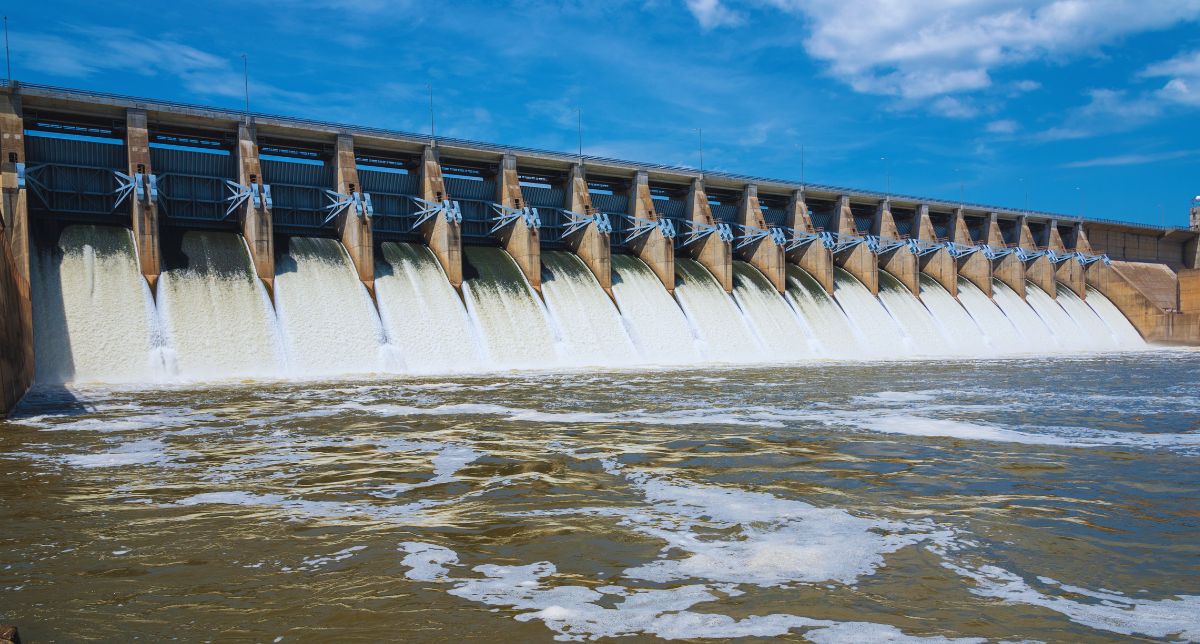
Hydropower remains the backbone. Although its relative share may decline with the expansion of other sources, hydropower capacity will continue to grow in absolute terms. The PNE 2055 foresees an increase of up to 72 GW in installed hydropower capacity by 2055, including the modernization of existing plants and the development of pumped-storage hydropower plants (UHR)—a technology that acts as a large “energy storage” system, pumping water into reservoirs during periods of excess generation and releasing it to generate electricity when needed.
Biofuels and bioenergy are another Brazilian competitive advantage. The Future Fuels Law, enacted in October 2024, established frameworks for expanding ethanol, biodiesel, sustainable aviation fuel (SAF), and green diesel. The ethanol blend in gasoline could reach 35%, and national ethanol production is expected to grow from 35 billion to 50 billion liters per year, generating more than R$ 40 billion in new investments.
Nuclear energy appears as a system stabilizer. The PNE 2055 projects nuclear installed capacity growing from 10 GW to 14 GW by 2055, including the potential use of small modular reactors (SMRs). The goal is not to replace renewables but to provide firm generation to offset the intermittency of solar and wind.
Green hydrogen and battery storage emerge as future technologies. The plan already recognizes that batteries will play a key role in managing surplus renewable energy—a real issue: at certain times of day, Brazil already produces more solar and wind energy than it can consume or transmit, resulting in so-called curtailments (generation cuts).
Why This Matters Beyond Energy
Brazil’s energy transition is not just a technical or environmental issue. Above all, it is an economic bet. The government estimates that new investments in clean energy, sustainable fuels, and mining for the energy transition could reach R$ 2 trillion over 10 years, generating 3 million jobs.
There is also a geopolitical dimension. Brazil will host COP30 in Belém in November 2025, held the G20 presidency in 2024, and holds a leadership position in BRICS. In these arenas, the credibility of environmental discourse depends on the solidity of domestic plans. The MME and the International Energy Agency (IEA) have already signed a Joint Work Plan for Accelerating the Energy Transition, expanding international technical cooperation.
The sector of critical and strategic minerals emerges as another central axis. The global race for lithium, cobalt, nickel, and rare earths—essential inputs for batteries, electric motors, and renewable generation equipment—places Brazil in a privileged position. The PNE 2055 recognizes that advancing mineral processing within the country is key to capturing greater value in the energy transition chain. Today, China dominates around 60% of global electrolyzer manufacturing capacity for hydrogen and between 50% and 70% of lithium and cobalt refining, a dependency that Brazil could help diversify.

The Role of Natural Potential
A frequently overlooked point in discussions about the energy transition concerns the scale of Brazil’s advantage: Brazil has an estimated annual renewable potential of approximately 1.6 billion tons of oil equivalent, a volume roughly five times current energy consumption. In other words, the country has more than enough natural resources to meet the target—the bottleneck lies in infrastructure, financing, and regulation.
The extensive coastline favors offshore wind generation. The semi-arid Northeast combines high solar irradiation with strong, predictable winds. The Amazon offers biomass and hydropower potential. The Midwest and South are well suited for bioenergy and distributed generation. Brazil’s geographic diversity, often a logistical challenge in other contexts, becomes a strategic asset when it comes to renewable generation.
Criticism and Tensions
No plan of this scale emerges without controversy. Experts from the Climate Observatory and organizations such as the Institute for Energy and Environment (IEMA) acknowledge progress in the PNTE but point to significant gaps: lack of clear interim targets, absence of detailed timelines, and insufficient regulatory mechanisms for energy storage—an essential technology for enabling large-scale integration of intermittent sources like solar and wind.
There is also a structural tension within the government: on the same day the National Energy Transition Policy was launched, President Lula signed a decree consolidating the Gas for Employment Program, aimed at increasing the supply of fossil gas in the country. For environmental critics, the signal is contradictory: a green plan on one side, expansion of fossil fuels on the other.
Another sensitive point is the treatment of oil. The PNE 2055 projects the peak of domestic oil production around 2032, implying continued—and even expanded—pre-salt exploration until then. The official argument is that oil revenues will finance the transition. Critics argue that this logic could delay decisive investments in renewables.
The Path to 2055
The PNE 2055 outlines six different scenarios for Brazil’s energy matrix, ranging from the most optimistic—called “Transition for All,” in which Brazil achieves climate neutrality before 2050—to the most pessimistic, where lack of coordination undermines climate commitments. The 81% renewables target falls within the intermediate-to-favorable scenarios.
The most ambitious scenario envisions strengthened governance built through Brazil’s leadership in major international forums, climate ambitions aligned with the Paris Agreement, and a more aware and participatory society. The projected outcome would be climate neutrality before 2050 and the strengthening of production chains in renewables, biofuels, and critical minerals.
To make any of these scenarios viable, the Ten-Year Energy Expansion Plan 2035 (PDE 2035), released for public consultation in February 2026, serves as a medium-term instrument that translates long-term targets into concrete projects for expanding generation and transmission over the next decade.
What is clear is that Brazil has rarely had such a favorable alignment between natural potential, geopolitical window, and global demand for clean energy. The question is not whether the country has the potential—it does, in abundance. The question is whether it will be able to turn plans and documents into infrastructure, transmission lines, long-term contracts, and real jobs before the window narrows.

Comment