

Brazil closed 2024 with 88.2% of its electricity mix composed of renewable sources, according to the National Energy Balance 2025 published by EPE. In 2026, the country occupies a unique position in the global sustainable energy landscape: while consolidating one of the cleanest electricity mixes in the world, it faces concrete challenges related to scale, storage, financing, and geopolitical climate pressure in the post-COP30 environment. This article analyzes the current state of sustainable energy in Brazil, the latest sector data, ongoing growth drivers, and the bottlenecks that still need to be addressed for the country to transform its potential into effective leadership in the global green economy.
A historic turning point that arrived earlier than expected
Ten years ago, projecting that Brazil would reach 2026 with nearly 90% of its electricity generated from renewable sources would have been seen as excessive optimism. Today, that figure is a documented reality in the National Energy Balance 2025, published by the Energy Research Company in partnership with the Ministry of Mines and Energy.
According to the report, renewable sources accounted for 88.2% of Brazil’s electricity mix in 2024, the highest level since 1990. The national power sector emitted only 59.9 kg of CO₂ equivalent per megawatt hour produced, a figure representing about 23% of the emissions intensity of OECD European countries, 17% of that of the United States, and just 9% of China’s emissions under the same metric.
These figures are not merely environmental indicators. They are economic assets. In a world where green capital flows toward markets with verifiable decarbonization credentials, Brazil’s electricity mix represents a competitive advantage that few countries can replicate.
However, Brazil’s privileged position does not eliminate its challenges. The rapid expansion of renewables has created new structural tensions: transmission bottlenecks, an urgent need for utility scale storage, volatility in investment flows, and a global climate agenda that, after COP30 in Belém, left more open questions than definitive answers.
What the 2024 figures reveal about the sector in 2026
BEN 2025 provides the most accurate snapshot currently available of Brazil’s energy sector. It reveals a sector in full transformation.
Solar photovoltaic generation grew 39.6% in 2024, reaching 70.7 TWh, with installed capacity of 48,468 MW, an expansion of 28.1% compared to the previous year. Wind generation reached 107.7 TWh, up 12.4%, with installed capacity of 29,550 MW. Together, these two sources accounted for 23.7% of the country’s total electricity generation, nearly one quarter of all electricity consumed in Brazil.
Biomass, often underestimated in clean energy narratives, also stood out: in 2024, 40.6% of all thermoelectric generation in the country originated from biomass, reinforcing its strategic role in providing firm generation and complementing intermittent renewables.
On the supply side, total generation in Brazil’s power system reached 762.9 terawatt hours, an increase of 5.5% compared to 2023. Final electricity consumption grew at the same pace, led by the residential sector at +8%, commercial at +7.4%, and industrial at +4.1%. For 2026, projections indicate the addition of 9,142 MW of new installed capacity, a 23.4% increase over the 7,403 MW added in 2025, when 136 new power plants began operations.
In January 2026 alone, ANEEL recorded the commercial operation of 11 new solar photovoltaic plants, totaling 509 MW of the 543 MW added during the month, representing more than 93% of capacity expansion in that period. The data confirms that solar remains the absolute leader in the country’s installed capacity expansion.
Solar energy as the leading driver of expansion
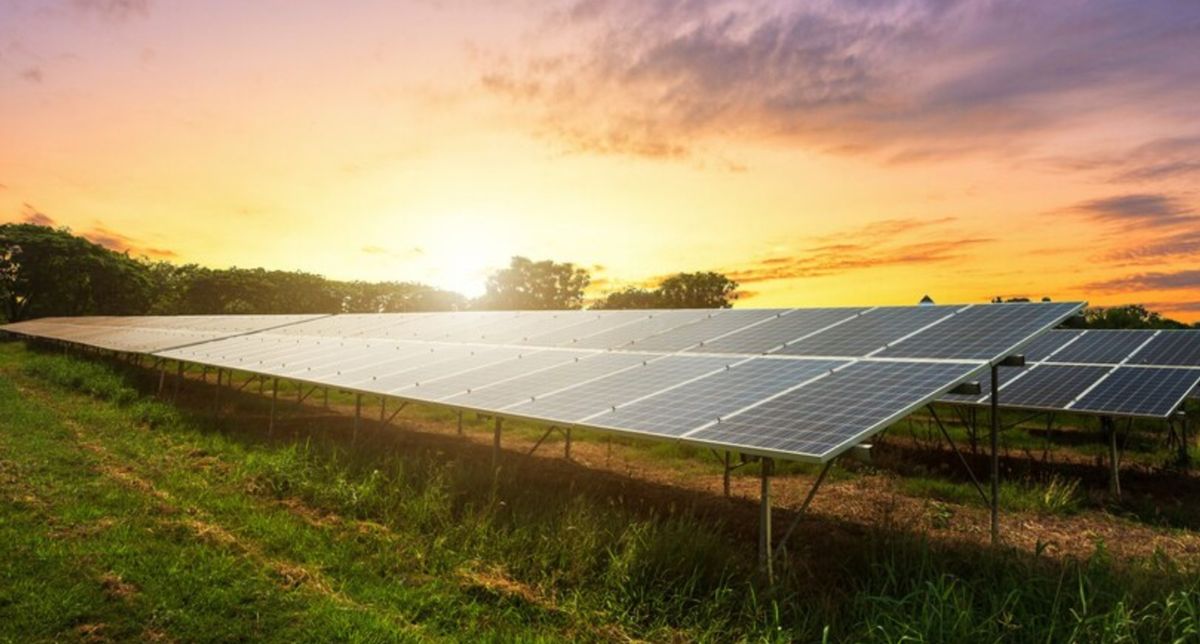
The growth of solar energy in Brazil in 2024 and 2025 was notable for its consistency and project scale. Centralized generation, composed of large scale photovoltaic plants connected to the National Interconnected System, has consolidated itself as the primary driver of installed capacity expansion.
The International Energy Agency projected that renewables will account for 95% of Brazil’s electricity mix in 2026, with combined solar and wind generation approaching 200 TWh and representing around 30% of total generation. In 2022, this combined share was just over 15%. This leap places Brazil on a unique trajectory among major economies in the Southern Hemisphere.
The levelized cost of solar generation, known as LCOE, has fallen more than 90% globally over the past decade. Brazil benefits from some of the highest solar irradiation levels in the world, particularly in the North and Northeast regions. States such as Bahia, Minas Gerais, Piauí, and Rio Grande do Norte concentrated a significant share of new plants entering operation in 2025.
However, the acceleration of solar growth creates tensions that the sector has not yet fully resolved. Integrating large volumes of intermittent generation into the National Interconnected System increases pressure for expanded transmission capacity and operational flexibility. Without parallel investments in grid infrastructure and storage, part of the generated energy may be curtailed, a phenomenon that is already raising concerns among system operators.
Biomass: the anchor of firm and renewable generation
In a power system with increasing participation of intermittent sources such as solar and wind, biomass plays a structural role that is often overlooked in public debates about the energy transition.
Unlike solar and wind, biomass generates energy in a controllable and predictable manner, making it an essential complement in a system that must balance supply and demand in real time. Sugarcane bagasse, forestry residues, biogas, and black liquor are among the sources abundantly available in Brazil, a country with one of the largest biomass reserves on the planet.
Data from BEN 2025 confirms this strategic position: biomass accounted for 40.6% of all thermoelectric generation in Brazil in 2024. In terms of total energy supply, renewables reached a historic milestone of 50% of Total Energy Supply, the highest level since 1990. This result was driven by simultaneous growth in biomass, wind, and solar, combined with a decline in oil and petroleum products within the energy mix.
For the energy market in 2026, industrial scale biomass projects gain additional relevance due to their ability to offer long term contracts with firm generation, a more predictable risk profile for investors, and irreplaceable technical complementarity within the power system.
Storage: the bottleneck that will define the next cycle
If renewable generation dominated the past decade in Brazil’s energy sector, energy storage will define the next. The transition from a system historically dependent on large hydroelectric plants, which naturally function as energy reservoirs, to one with high shares of solar and wind requires new ways to store and dispatch electricity flexibly.
Brazil’s battery energy storage system market shows strong projections: sector studies indicate potential for 7.2 GW of installed capacity by 2040, with direct investments potentially exceeding R$ 22 billion by 2030. The regulatory trigger for this expansion began to take shape in 2025 and is consolidating in 2026, with ANEEL consultations to define rules for connecting storage systems to the grid.
Private sector interest has already materialized in more than 126 GW of registered projects awaiting contracting conditions. The country’s first large scale battery system began operations in São Paulo in 2024, serving as a pilot and technical benchmark for upcoming cycles.
For infrastructure investors, storage represents an asset class with attractive characteristics: revenue during peak hours, long term contracts, tangible assets, and a strategic position in a grid increasingly dependent on operational flexibility. For those who understand the sector, the timing to enter this market is now.
Artificial intelligence and the new demand for clean energy
A factor that has reshaped global energy demand projections over the past two years is the exponential growth of artificial intelligence and the data centers that support it. Each query made to a large language model consumes roughly ten times more energy than a conventional internet search.
Globally, estimates from the International Energy Agency indicate that data center energy consumption could double or even triple by the end of this decade, placing pressure on power systems worldwide. In Brazil, the impact is already measurable: the first four AI dedicated data center complexes in the country are expected to consume energy equivalent to that used by 16.4 million Brazilian households.
This trend creates a new and growing demand for clean, firm, and certified energy. Technology companies such as Google, Microsoft, and Amazon are actively seeking markets where this supply exists at scale and with reliability. Brazil, with its predominantly renewable electricity mix, positions itself as a natural destination for such infrastructure.
According to a Gartner study, by 2027 Fortune 500 companies are expected to shift US$ 500 billion in operational energy expenditures toward microgrids and decentralized solutions, partly to secure reliable power for their digital operations. For the sustainable energy market, this capital flow represents a structural opportunity that extends beyond the term of any single government or climate conference.
Brazil post-COP30: real progress and an unfinished agenda
COP30, held in Belém in November 2025, concluded with what experts described as an ambiguous outcome. On one hand, there were concrete advances in climate governance: the so called Belém Package brought together 29 documents unanimously approved by the 195 participating countries, including an acceleration mechanism for climate adaptation and the Mutirão Decision focused on cooperation in clean technologies and adaptation project financing.
On the other hand, the most urgent agenda for climate science remained unresolved. There was no consensus on the Roadmap for phasing out fossil fuels, a proposal that faced resistance from major producers such as Saudi Arabia, Russia, and Nigeria. The final text opted for language focused on reducing dependence on fossil fuels, a distinction with practical implications for signatory countries’ energy policies.
For Brazil, the post-COP30 context generated a specific domestic mandate: President Lula signed a decree instructing four ministries to present guidelines for a just and planned energy transition to the National Energy Policy Council. The process is ongoing and is expected to yield concrete definitions throughout 2026.
The sustainable investment portfolio mapped by the Ministry of Finance includes more than 2,500 public and private projects across 832 Brazilian municipalities, totaling R$ 473 billion in commitments. This volume reflects both private sector appetite and the scale of the challenge: transforming potential into operating infrastructure requires regulatory consistency, patient capital, and partners with proven technical track records.
Green hydrogen: from planning to final investment decisions
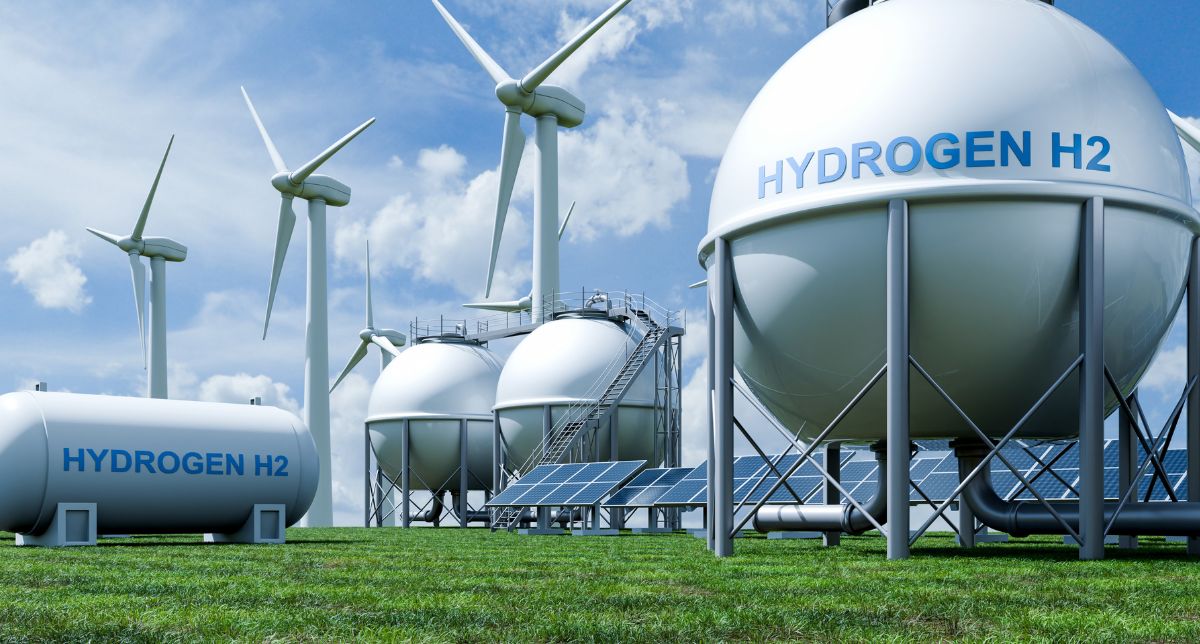
Green hydrogen has moved beyond being a long term bet for Brazil’s energy sector. In 2026, concrete industrial scale projects are reaching final investment decision stages, marking the transition from planning to execution.
The economic potential is substantial. Sector studies indicate that Brazil could generate up to R$ 150 billion annually from green hydrogen by 2050, with a significant share coming from exports to European and Asian markets seeking alternatives to decarbonize hard to electrify sectors such as steelmaking, fertilizers, and heavy maritime transport.
Green hydrogen hubs under development in Ceará, Bahia, and Rio Grande do Norte bring together highly competitive natural conditions for production: high solar irradiation, world class wind resources, access to water for electrolysis, and port infrastructure for export. Europe, particularly Germany and the Netherlands, has already signaled concrete interest in import partnerships.
The green hydrogen value chain relies fundamentally on clean, firm, large scale electricity. This positions companies with established expertise in centralized renewable generation as natural players in this new economy, whether as electricity suppliers for electrolysis processes or as partners in integrated projects.
The challenges that still define the pace of the transition
Acknowledging Brazil’s progress in sustainable energy does not mean ignoring the obstacles that continue to shape the pace and depth of this transition. A realistic analysis of the sector requires examining both sides.
The first challenge is structural: the return asymmetry between renewables and fossil fuels. Renewable sources now outperform fossil fuels in production cost comparisons, but that does not mean they deliver higher returns for investors. While oil and gas projects often provide double digit returns, renewables typically operate in the single digit range. Without correcting this asymmetry through regulated carbon markets and proper climate risk pricing, capital allocation logic continues to favor fossil fuels.
The second challenge is transmission infrastructure. The accelerated expansion of solar and wind plants in remote regions requires proportional investments in transmission lines and substations to evacuate generation. Transmission bottlenecks already cause losses and inefficiencies, and delays in grid investments may compromise gains achieved in generation.
The third challenge is adaptive regulation. A sector evolving at high technological speed requires a regulatory environment capable of keeping pace, especially in areas such as storage, carbon markets, hydrogen, and distributed generation. Regulatory predictability is essential to attract long term capital.
Finally, there is the challenge of strategic coherence. Brazil is currently one of the world’s ten largest oil producers, with approximately 3.7 million barrels per day, while simultaneously presenting itself as a global reference in renewable energy and climate leadership. This duality may serve as a diplomatic advantage, but it requires a consistent industrial policy to avoid undermining the country’s credibility on the international stage.
Sustainable energy as a strategic asset, not merely an environmental agenda
The portrait of sustainable energy in Brazil in 2026 is that of a sector that has reached technical maturity and real scale, yet has not fully completed the financial and regulatory transition required to consolidate its global position.
Data from BEN 2025 confirms the progress: 88.2% renewable electricity, solar expansion of nearly 40%, biomass consolidated as a firm and complementary source, and power sector emissions among the lowest in the world per unit of energy produced. These are structural results, not cyclical ones.
At the same time, emerging demand from artificial intelligence, the urgency of large scale storage, the green hydrogen frontier, and post-COP30 climate pressure redefine what it means to lead in this sector. It is no longer only about generating more clean energy. It is about building resilient, predictable, integrated, and financially viable energy systems for a global capital market that increasingly demands verifiable credentials.
In this context, sustainable energy has definitively moved beyond an environmental agenda and has become a central pillar of Brazil’s economic, industrial, and geopolitical strategy. The coming years will determine which companies and projects are positioned to capture this transformation, and which will miss a window of opportunity that history rarely opens twice.

Comment