

The Ten-Year Energy Expansion Plan as a strategic sectoral planning tool and its implications for the energy transition, competitiveness, and system security
The Ten-Year Energy Expansion Plan 2026 (PDE 2026) is a fundamental product of Brazil’s energy planning process, prepared by the Energy Research Office (EPE), an entity linked to the Ministry of Mines and Energy (MME). The document was conceived as a prospective guideline rather than a rigid regulatory or public policy mandate, with the objective of presenting scenarios and projections for the expansion of Brazil’s energy sector through 2026. This plan serves as a guiding instrument for governments, regulators, industry players, investors, and society at large regarding trends, uncertainties, and opportunities over the ten-year horizon.
The PDE 2026 deepens the understanding of perspectives related to energy supply and demand within a dynamic economic and socio-environmental context. This integrated analysis encompasses the various energy sources that make up Brazil’s energy matrix, including electricity, fossil fuels, biofuels, and renewable sources, while also addressing aspects such as energy security and fuel availability.
The construction of scenarios and the assessment of possible pathways for the energy sector reflect a planning process that takes into account macroeconomic, demographic, sectoral, and technological factors. In this effort, EPE seeks to translate potential trajectories of Brazil’s energy demand as a function of economic growth, changes in consumption patterns, and technological evolution, highlighting the challenges associated with integrating renewable sources and maintaining system reliability.
Conceptual Framework and Methodology of the PDE 2026
The PDE 2026 is based on broad assumptions involving projections of population and economic growth, as well as the evolution of energy demand across economic sectors. These assumptions are essential for establishing different trajectories of energy consumption, particularly given that the industrial and transportation sectors have historically represented significant shares of Brazil’s energy consumption. From these premises, the plan articulates how the energy matrix is expected to respond to the country’s needs through 2026.
One of the plan’s methodological hallmarks is the use of scenarios that capture the uncertainties and volatilities characterizing the energy future. In a global environment marked by structural transformations—such as the incorporation of intermittent renewable sources, the advancement of storage technologies, and the transition to low-carbon fuels—integrated analysis becomes indispensable to guide long-term decision-making.
In addition, the PDE 2026 examines not only the availability of energy resources, but also logistical, infrastructure, and cost factors. This includes analyses of power system reliability, the balance between supply and demand of firm energy, timelines for hydrographic basin inventories, and the assessment of essential fuels such as natural gas. Together, these analyses contribute to a long-term vision that recognizes the trade-offs among sustainability, competitiveness, and energy security.
Energy Demand Outlook
With regard to energy demand, the PDE 2026 captures the expected evolution of aggregate consumption in the country, reflecting both economic growth and changes in sectoral structure. The projections consider that total energy demand across different sectors—industrial, transportation, commercial, and residential—is subject to transformations driven by factors such as energy efficiency, electrification of end uses, and the adoption of emerging technologies.
The document also recognizes that the industrial sector will continue to play a predominant role in energy consumption, characterized by a diversity of demands and by its role in driving advances in efficiency and competitiveness. Industry, together with the transportation sector, accounts for a substantial share of final energy consumption in the country. Despite sector-specific nuances, these demand projections are essential for calibrating supply and infrastructure requirements over the ten-year horizon.
Supply Expansion and Energy Matrix
The PDE 2026 outlines a prospective picture of the evolution of national energy supply, including installed power generation capacity and the role of different energy sources within the matrix. Forecasts for the expansion of installed capacity, including renewable sources such as wind and solar, highlight the growing participation of these energies in the system. The expectation is that these sources will continue to gain ground due to their economic competitiveness and the global commitment to mitigating greenhouse gas emissions.
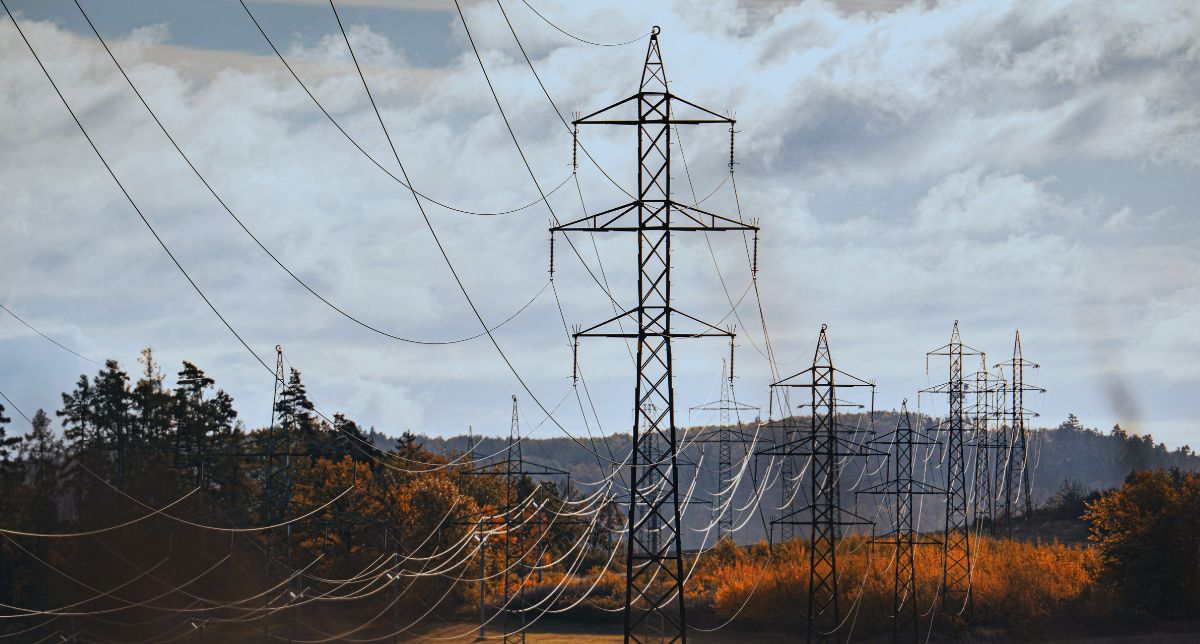
Electric power, in particular, is treated in great detail, as its expansion is one of the pillars of ten-year planning. The plan identifies potential bottlenecks and opportunities in the balance between electricity supply and demand, considering the need for investments in transmission and the integration of different regions of the country. The projected expansion of the electricity matrix simultaneously involves the incorporation of renewable capacities and the modernization of existing infrastructure to ensure reliability and resilience over time.
Despite the emphasis on renewable energy, the PDE 2026 also acknowledges the importance of fossil fuels in Brazil’s energy matrix, especially in segments such as transportation and certain industrial applications. The role of natural gas, for example, is analyzed in terms of its contribution to energy security and its flexibility in meeting demand, particularly in scenarios involving the intermittency of renewable sources.
Energy Security and Infrastructure
A central theme of the PDE 2026 is energy security, understood as the system’s ability to meet energy demand with high reliability, even in the face of external shocks or operational constraints. This security depends not only on the quantity of energy produced, but also on the robustness of generation and transmission infrastructure, the diversity of sources, and the capacity to respond to fluctuations in supply and demand.
The plan identifies areas where infrastructure investments are crucial, including the expansion of transmission capacity between regions and the modernization of existing assets. The integration of regional markets and the reduction of technical losses are priority points to ensure that generated energy reaches consumers efficiently.
Energy Transition and Sustainability
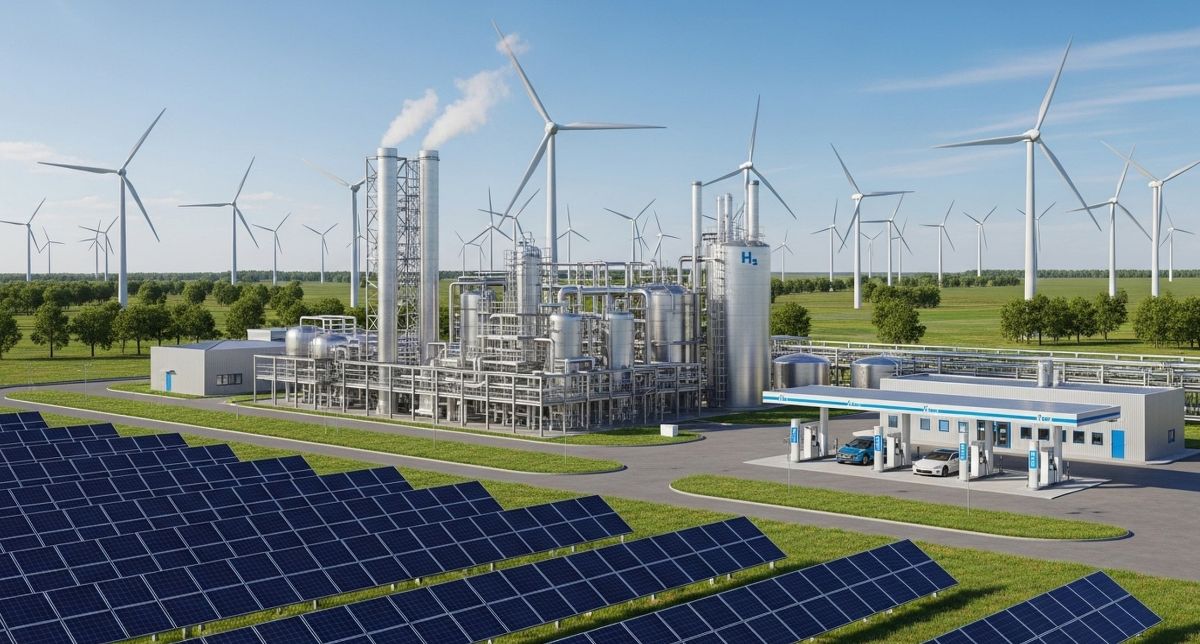
Another essential element of the PDE 2026 is the analysis of the implications of the energy transition. This transition involves the growing participation of low-carbon sources, the electrification of sectors traditionally dominated by fossil fuels, and the adoption of innovative storage and energy efficiency technologies. This perspective is aligned with international climate commitments and with societal demands for a more sustainable energy system.
Within the context of the energy transition, renewable energies play a central role. Sources such as wind power and solar photovoltaics demonstrate competitiveness and strong potential for accelerated growth. Large-scale adoption of these sources, however, imposes operational challenges on the power system, including the need for flexibility mechanisms and storage solutions to accommodate their inherent variability.
At the same time, the PDE 2026 recognizes that the energy transition does not imply the immediate elimination of fossil sources, but rather a balanced incorporation of low-carbon energies, respecting requirements of reliability, cost, and economic development. The integration of solutions such as biofuels, biogas, and other energy-efficient alternatives contributes to diversifying the matrix and reducing dependence on fossil-based fuels.
Investments and Costs
The expansion planned under the PDE 2026 presupposes significant investments in generation, transmission, distribution, and emerging technologies. Cost analysis is integrated into the planning process, seeking to identify alternatives that reduce total investment and operating costs while ensuring system reliability.
The PDE 2026 considers investments across different segments of the energy value chain, including conventional and renewable generation infrastructure, expansion of transmission networks, and initiatives focused on energy efficiency and technological modernization. These investments are necessary to keep pace with demand growth and to promote a more resilient and sustainable energy matrix.
Challenges and Uncertainties
Despite its relevance as a planning tool, the PDE 2026 operates in an environment filled with uncertainties. External factors such as changes in international fuel prices, disruptive technological advances, and global public policies for emissions mitigation can significantly impact projected outcomes. Adapting to these uncertainties requires continuous monitoring and adjustments to medium- and long-term strategies.
Another challenge lies in the coordination among different levels of government, regulators, and sector agents to implement solutions aligned with the plan’s projections. Regulatory issues, financing barriers, and the need for policies that encourage the adoption of clean technologies are elements that influence the country’s ability to transform indicative guidelines into concrete actions.
Final Considerations
The PDE 2026 represents an important milestone in the prospective understanding of the evolution of Brazil’s energy sector. By synthesizing scenarios, projecting demand, and anticipating supply needs, the plan contributes to an integrated vision of the nation’s energy future. It strengthens the decision-making process and serves as a reference for sector stakeholders as they confront challenges related to energy security, sustainability, and competitiveness.
Building a diversified, resilient energy matrix aligned with the global energy transition requires not only the implementation of the projections presented in this plan, but also an ongoing commitment to innovation, efficiency, and the integration of public policies that encourage investments in clean energy and low-carbon technologies.

Comment