Brazil, according to the Energy Research Company (EPE), had the capacity to produce 21.5 million tons of hydrogen from biogas in 2021, which could supply 21% of global consumption.
In 2023, Brazil reaffirmed its leadership position in renewable energy, especially in the biofuels sector, being a global model of sustainability and innovation. This article explores the country's recent achievements, highlighting its crucial role in the global transition to cleaner, more sustainable energy.
The Brazilian energy market, particularly with regard to renewable energy, represents a field of constant evolution and significant importance. Brazil, recognized for its predominantly renewable energy matrix, has shown a strong and growing commitment to sustainability and energy transition initiatives. This article aims to explore and elucidate the current dynamics, challenges and future perspectives of the renewable energy sector in Brazil.
The energy market in Brazil has undergone a remarkable evolution in 2023, driven by a mix of favorable government policies, technological advances and a growing interest in clean and renewable energy sources.
Green hydrogen, considered the “fuel of the future”, is at the center of discussions about the global energy transition. Produced through renewable sources, such as wind and solar energy, it does not emit carbon, being an alternative to fossil fuels. Its versatility makes it a valuable input for industries such as fertilizers, cement and petrochemicals, as well as being a potential fuel for maritime and air transport.
In the current context, replacing diesel with renewable energy sources is an urgent need and an opportunity to mitigate the effects of climate change. Diesel, a fossil fuel, is a major emitter of greenhouse gases (GHGs), contributing significantly to global warming. The transition to renewable energy is, therefore, a strategic action to reduce GHG emissions and move towards a more sustainable and ecological economy.
Brazil, a key player in global sustainability, sees vast potential in the carbon market and biogas. With the 7th highest greenhouse gas emissions, the nation is exploring strategies to mitigate these emissions.
Biogas and biomethane have stood out as promising alternatives in the Brazilian and global energy scenario. With the growing need for clean and sustainable energy sources, these biofuels emerge as viable and efficient solutions.
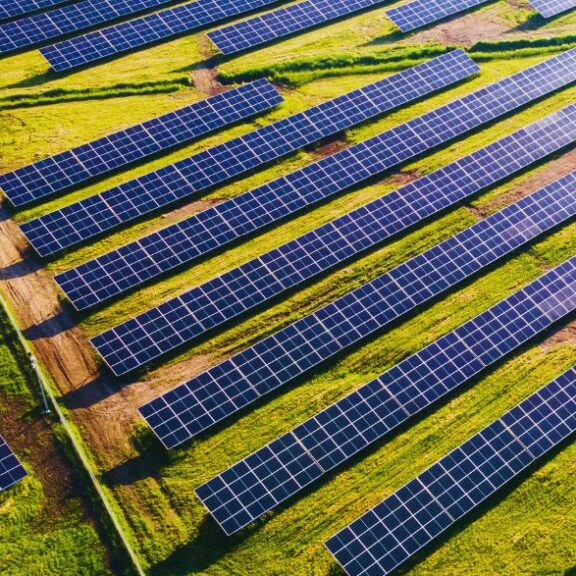
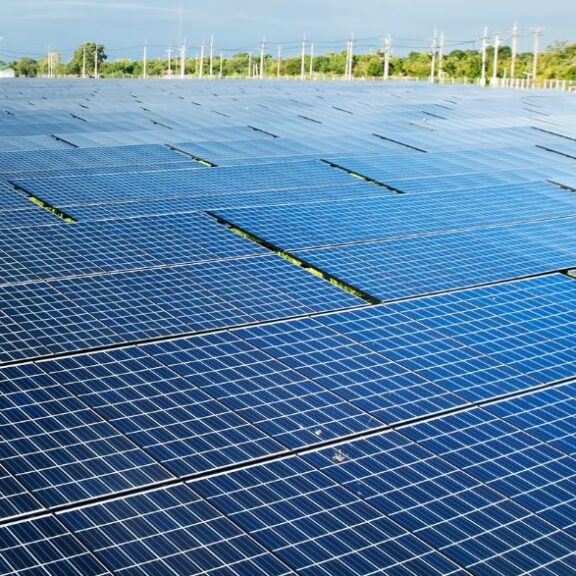
The GNPW Group is investing in clean and renewable energy through solar plants and biogas projects, aiming to combat climate change and bring socio-economic benefits. However, to accelerate climate action, more investment is needed. We all need to play our part in this fight.
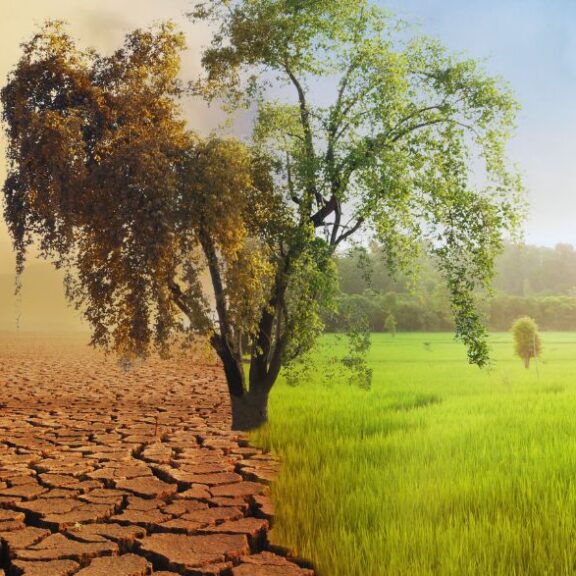
The present time confronts us with a raw and undeniable reality: the urgency of dealing with climate change. Recent reports from the Intergovernmental Panel on Climate Change (IPCC) indicate an acceleration of the effects of climate change, demanding more direct and effective measures from us.
At the same time, we are witnessing an explosion of innovations in the renewable energy sector, with a growing awareness of the need for a transition to clean energy sources. Studies from the International Renewable Energy Agency (IRENA) show that renewable energy has the potential to reduce greenhouse gas emissions by up to 70% by 2050.