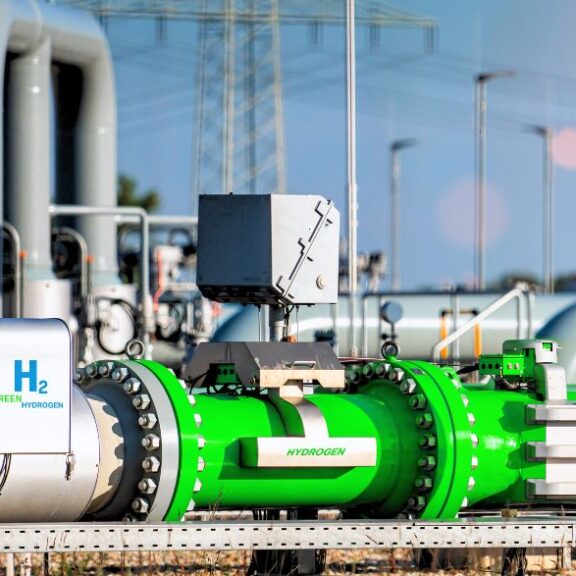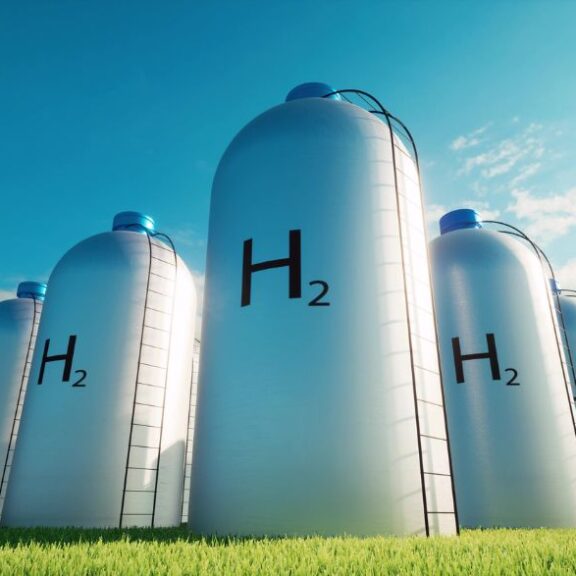
Green Hydrogen emerges as a promising solution to global energy challenges. The FIEC Summit 2023 in Ceará highlighted the importance and possibilities of H2V in the energy scenario.
Brazil, known for its rich biodiversity and vast natural resources, is positioning itself as a global leader in the renewable energy market. With a favorable climate and a growing demand for sustainable solutions, the country is on the right track to become a solar powerhouse.
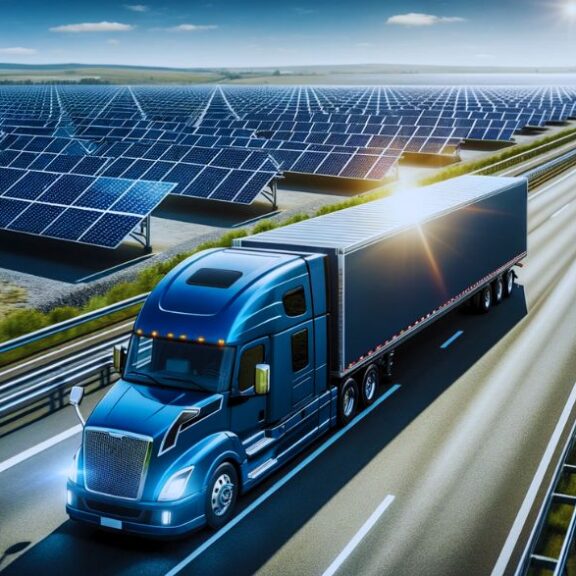
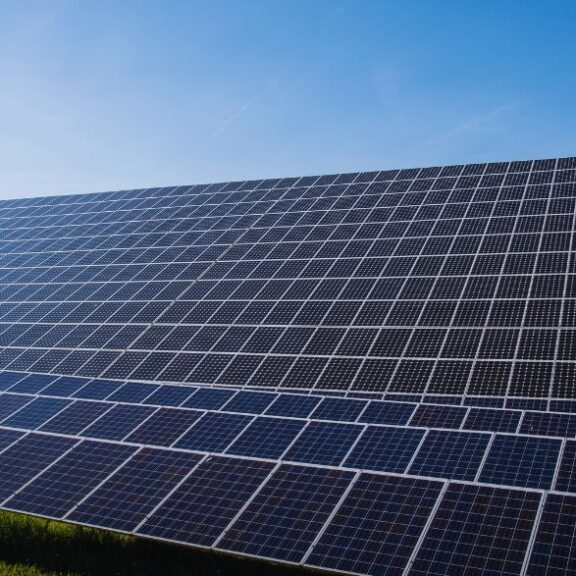
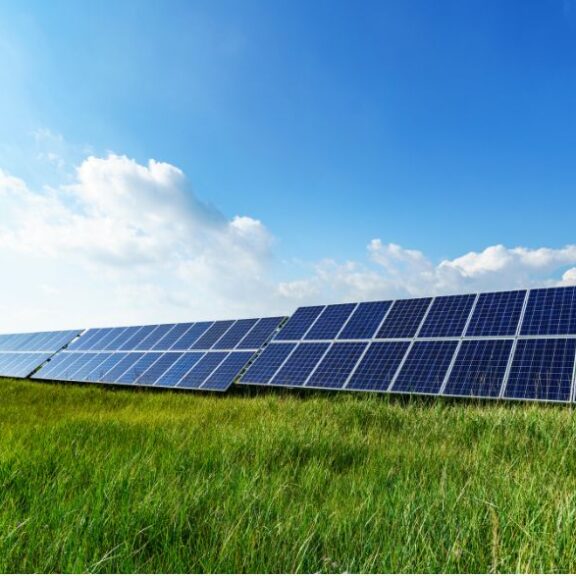
Solar energy has emerged as a viable and sustainable solution in the global energy matrix, providing a clean, green alternative to fossil fuels. In Brazil, notable examples like Rio Poti Energia and Solário Carioca illustrate the positive impact and innovation in the solar energy sector.
Brazil, a key player in global sustainability, sees vast potential in the carbon market and biogas. With the 7th highest greenhouse gas emissions, the nation is exploring strategies to mitigate these emissions.
Brazil, with its rich biodiversity, is poised to lead the green hydrogen revolution, a clean and renewable energy source. This move can strengthen the economy, attract foreign investments, and combat climate change.
Biogas and biomethane have stood out as promising alternatives in the Brazilian and global energy scenario. With the growing need for clean and sustainable energy sources, these biofuels emerge as viable and efficient solutions.
In a world increasingly aware of climate change and the environmental impacts of human activities, the transition to clean and sustainable energy has become a global priority. Institutions such as the International Renewable Energy Agency (IRENA) and the Intergovernmental Panel on Climate Change (IPCC) have emphasized the need for a swift and comprehensive energy transition to mitigate the effects of climate change and promote sustainable development.
In a country of continental dimensions like Brazil, guaranteeing and continuously improving the living conditions of the population is a monumental challenge. One of the strategies adopted to face this challenge is the Public-Private Partnership (PPP), a model of administrative concession contract that has become one of the main forms of action by the public power.
The energy transition is an increasingly present reality in Brazil, and the state of Piauí has stood out in this scenario. Rio Poti Energia, a company of the GNPW group, has been one of the protagonists of this change, investing in the development of sustainable and environmentally responsible generation projects.
Brazil is experiencing a transformative moment in the way it produces and consumes energy. Distributed generation (DG) is changing the energy landscape in the country, creating new opportunities for investments and partnerships, and presenting challenges in the search for sustainability and energy efficiency.