In 2023, Brazil reaffirmed its leadership position in renewable energy, especially in the biofuels sector, being a global model of sustainability and innovation. This article explores the country's recent achievements, highlighting its crucial role in the global transition to cleaner, more sustainable energy.
In a global scenario where consumption and pollution grow exponentially, waste emerges as a symbolic challenge, highlighting methane (CH4) as one of the main villains of the greenhouse effect. In this context, Eva Energia stands out for transforming this environmental problem into a renewable and sustainable energy source.
The energy market in Brazil has undergone a remarkable evolution in 2023, driven by a mix of favorable government policies, technological advances and a growing interest in clean and renewable energy sources.
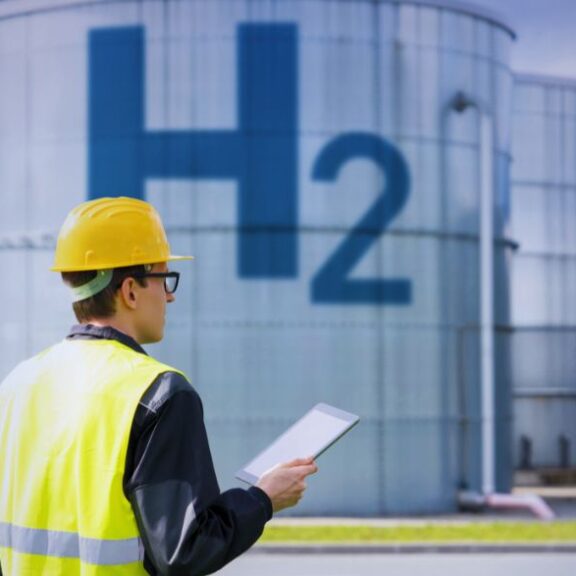
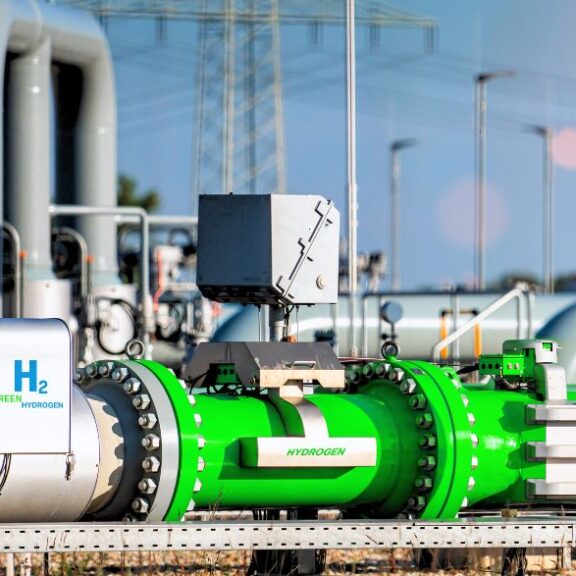
Green hydrogen, considered the “fuel of the future”, is at the center of discussions about the global energy transition. Produced through renewable sources, such as wind and solar energy, it does not emit carbon, being an alternative to fossil fuels. Its versatility makes it a valuable input for industries such as fertilizers, cement and petrochemicals, as well as being a potential fuel for maritime and air transport.
In November 2023, the world will turn its eyes to Dubai, where the 28th edition of the Conference of the Parties (COP28) will take place, a crucial event on the global climate agenda. Organized by the United Nations Framework Convention on Climate Change (UNFCCC), COP28 represents an important milestone in the fight against climate change and in promoting a sustainable energy transition.
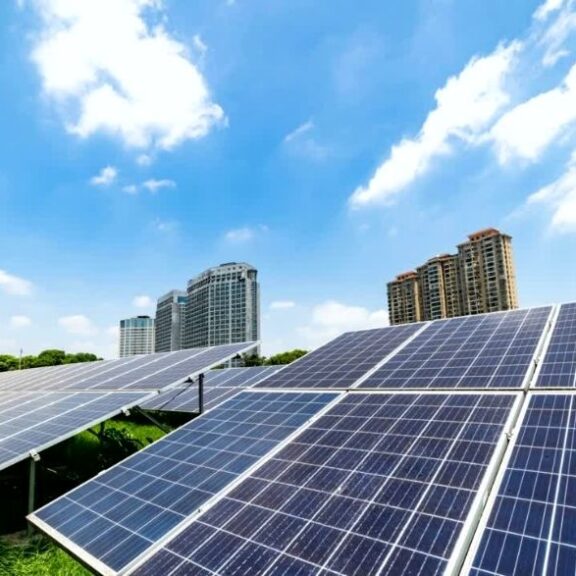
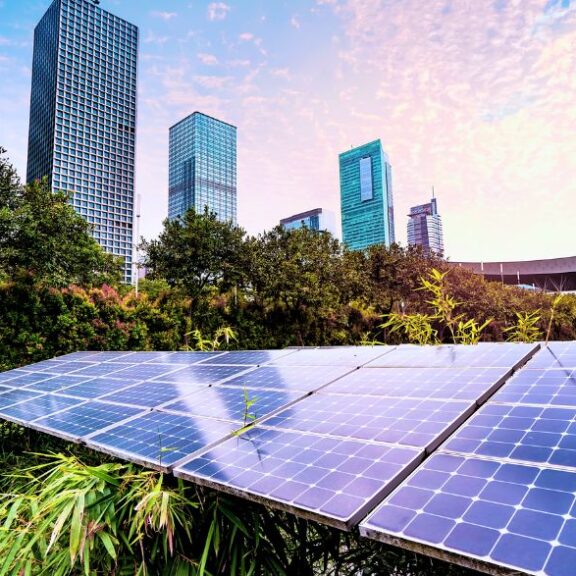
Facing the challenge of climate change, the transition to clean energies, particularly solar power, emerges as a crucial solution. Solar energy, boosted by technological advancements and cost reductions, offers a sustainable alternative to reduce carbon emissions. Brazil, with its vast natural resource potential, takes a leading role at the 28th United Nations Climate Change Conference (COP 28).
Brazil, with its vast territorial extension and wealth in natural resources, is uniquely positioned to lead the energy transition in Latin America. This transition, which involves switching from non-renewable to renewable energy sources, is more than a global trend – it is an urgent need.
Green Hydrogen emerges as a promising solution to global energy challenges. The FIEC Summit 2023 in Ceará highlighted the importance and possibilities of H2V in the energy scenario.
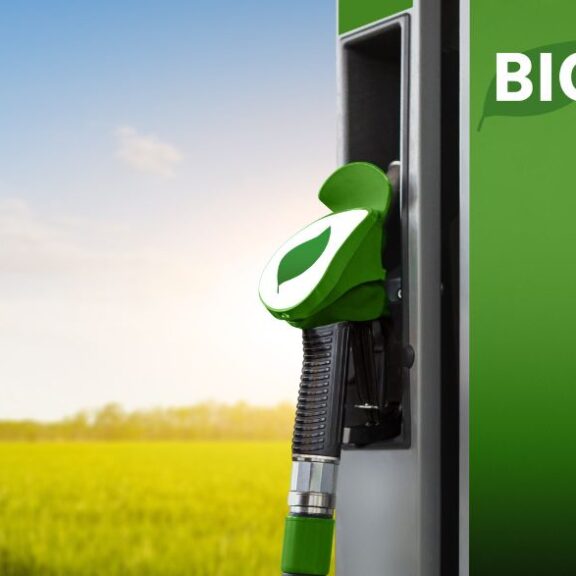
Biogas and biomethane have stood out as promising alternatives in the Brazilian and global energy scenario. With the growing need for clean and sustainable energy sources, these biofuels emerge as viable and efficient solutions.