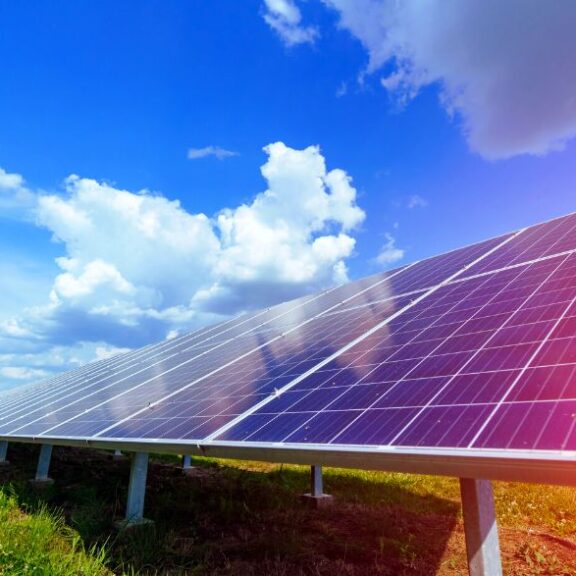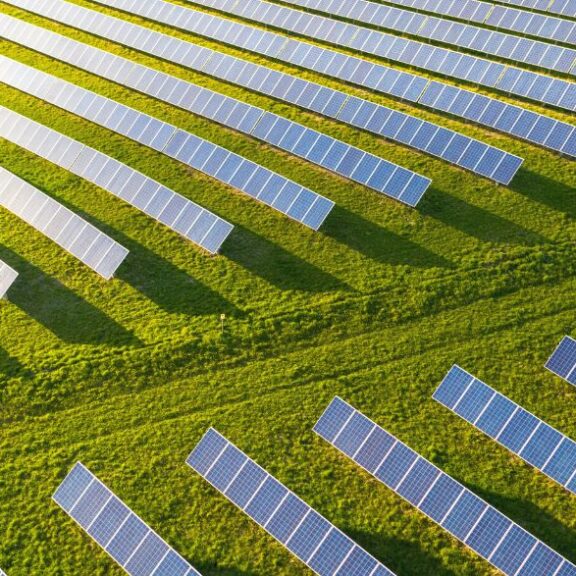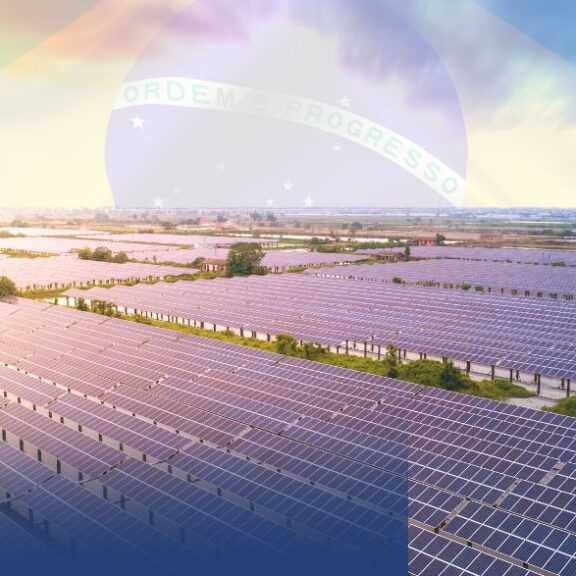
The energy market in 2022 in Brazil was resilient and had solar energy as one of the main sources of growth in the year. The electricity sector has undergone important changes inside and outside the country.
Companies have increasingly sought ESG-oriented actions. The ESG concept is an approach that assesses how a corporation works towards goals for the environment, society and governance. In other words, going beyond profit maximization, other factors are analyzed, which also indirectly influence the company's financial security.
In recent years, solar energy has seen exceptional growth in Brazil. For this to happen, several factors were important to build this scenario. First, the recurrent increases in energy costs for the final consumer made people migrate to cheaper alternatives.
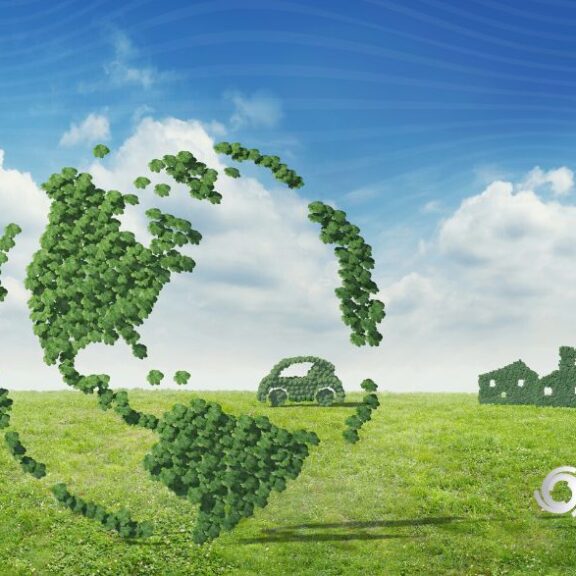
The growth in demand for solar energy in Brazil reflects the trend observed worldwide in the search for alternatives to fossil fuels. In addition to several warnings issued by specialists around the increase in global warming caused by greenhouse gases, the war between Russia and Ukraine highlighted the urgency of the need for countries, especially European countries, to invest in other sources of energy to avoid dependence on the Russian gas.
The debate on climate change has stimulated several countries to seek measures to stop this advance and, in Brazil, it was no different. Therefore, the regulated carbon market was created in the country with the intention of developing initiatives to mitigate emissions.
The use of biofuels by companies has been increasing due to the growing commitment to complying with good ESG practices, acronym for Environmental, Social and Governance, which consists of a set of practices adopted by companies for the conservation of the environment.
With the need for an energy transition and the increase in energy costs due to the Russian war, biofuels based on solid waste become a solution to stop the crisis and instabilities generated by energy.
With the increase in adherence and the search for renewable sources, biomass has grown and developed in the Brazilian energy market. In this sense, biogas and biomethane are also highlighted. But what is the difference between them?
In addition to reducing emissions, other actions, such as investments in renewable energy and capture and removal, need to take place to bring levels to zero.
According to the Intergovernmental Panel on Climate Change (IPCC), the next three years will be decisive for achieving zero greenhouse gas (GHG) emissions by 2050.
Green bonds or green bonds are financial instruments that help compose climate finance with the aim of mitigating the damage caused to the environment due to the use of fossil fuels, deforestation and other anthropic actions.