

In a global landscape of rising energy demand driven by technological advances, 2026 is shaping up as a year of “pragmatic coexistence” between clean energy sources and fossil fuels. This article explores record-breaking investments in the energy transition, Brazil’s challenges in diversifying its energy mix, and the impact of artificial intelligence on global electricity consumption.
The year 2026 paints a complex and fascinating picture for the global energy sector. Far from a linear and exclusive transition to renewable sources, what we are witnessing is a delicate balance—a “pragmatic coexistence” between clean energy and fossil fuels. This reality is shaped by unprecedented energy demand, fueled by an unexpected and voracious engine: artificial intelligence (AI) and the exponential expansion of data centers.
The numbers speak for themselves. In 2024, global investments in the energy transition reached an impressive US$807 billion, a significant jump from the US$662 billion recorded the previous year, according to data from the International Renewable Energy Agency (IRENA). China remains at the forefront of this movement, with a colossal US$352 billion in investments, followed by the European Union, which contributed US$137 billion 1. These figures underscore a growing global commitment to decarbonization and the pursuit of more sustainable alternatives.
However, the narrative of the energy transition is not as simple as it might seem. The meteoric rise of AI, cryptocurrency mining, and other data-intensive technologies is reshaping consumption forecasts. Global electricity demand is expected to more than double by 2026, placing enormous pressure on energy systems worldwide.
In light of this reality, the notion that the growth of clean energy would immediately lead to the disappearance of fossil fuels appears overly simplistic. Global players, seeking energy security and price stability, are balancing investments across both sectors. The coexistence of renewables and fossil fuels, therefore, is no longer a climate policy anomaly but a reflection of concrete physical and economic constraints.
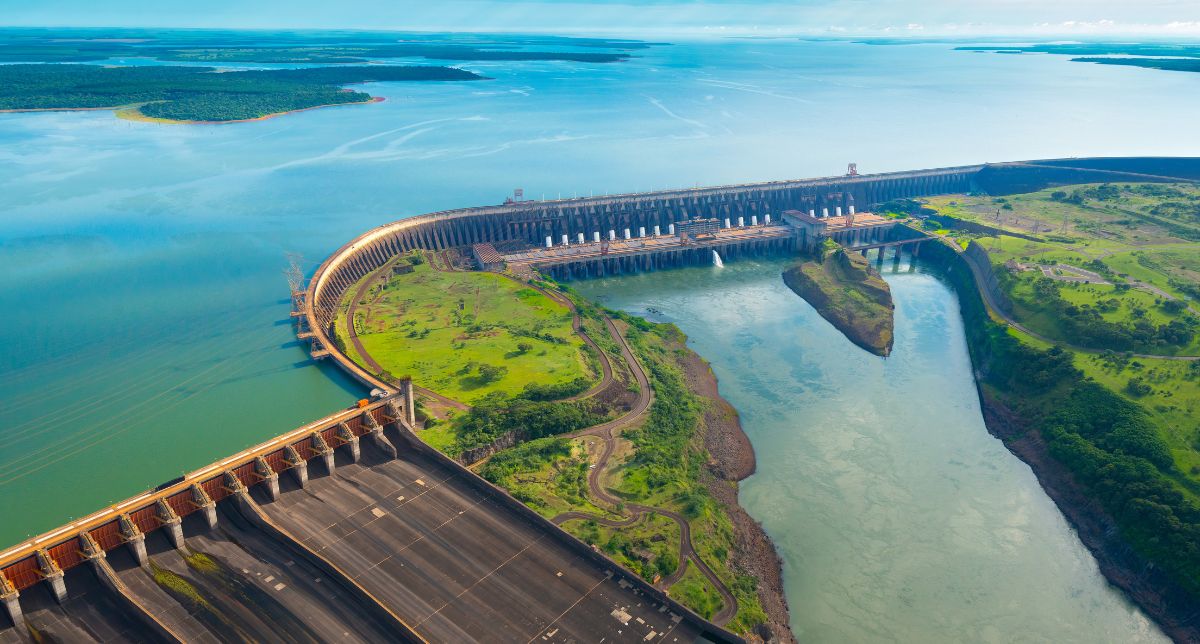
Brazil’s Challenge: Between Hydropower and Intermittency
Brazil, historically recognized for its predominantly clean energy matrix based on hydropower, faces its own challenges in this scenario. The decline in hydropower’s share of the energy mix—due to factors such as climate change and the need to preserve water resources—has forced the country to seek alternatives. Projections indicate that Brazil will need to increase electricity generation from sources considered “dirty” in the coming years, such as thermal power plants, to offset the intermittency of solar and wind energy.
This paradoxical situation, in which a country with vast renewable potential finds itself compelled to rely on more polluting sources, highlights the complexity of the energy transition. Brazilian engineering faces the challenge of developing solutions that enable the efficient integration of renewable sources while ensuring flexibility and security within the power system. Data centers, for example, could act as flexibility agents, but this would require robust planning and infrastructure investment.
The Influence of Artificial Intelligence on Energy Demand
Artificial intelligence, while promising across multiple fronts, is an energy-intensive consumer. Data centers, which house the infrastructure required for AI operations, demand massive amounts of electricity—not only to function but especially to cool their equipment. This phenomenon is not exclusive to Brazil; it is a global trend that is reshaping energy supply strategies.
Large technology consumers, aware of price volatility and the need for long-term contracts, tend to prioritize sources with greater predictability. Paradoxically, this shifts new incremental demand toward renewable-based solutions, often paired with energy storage systems. In this context, fossil fuels assume a complementary role, ensuring energy security during peak demand periods or when renewable output is low.

Trends and Outlook for the Near Future
The outlook for the coming years points to intensified investment across multiple fronts: renewable energy, storage systems, smart grids, and, in some cases, nuclear power. The central objective is to build a resilient energy system capable of meeting growing and increasingly complex demand. The goal is not to suppress one type of energy in favor of another, but to find the optimal balance that sustains global growth without compromising climate objectives.
Technological innovation—particularly in energy storage and system efficiency—will be crucial to mitigating the impacts of renewable intermittency and reducing dependence on fossil fuels. International collaboration and the development of energy policies that encourage research and the advancement of new solutions will be essential to navigating this challenging landscape.
Brazil, with its vast renewable energy potential, has the opportunity to consolidate its position as a global leader in the energy transition—provided it invests in infrastructure, technology, and policies that promote the efficient integration of its diverse energy sources. The current strength of the oil agenda, while it may appear to be a step backward, should be viewed as part of an adaptation process to an ever-expanding global energy demand. The challenge lies in ensuring that this adaptation does not undermine climate commitments and the pursuit of a more sustainable future.

Comment