


Building a Decarbonized Future Through Market Mechanisms
The year 2026 finds carbon markets at a turning point, driven by a global landscape that demands increasingly concrete and effective climate action. The International Emissions Trading Association (IETA), an organization that brings together companies and governments to promote emissions trading, plays a crucial role in shaping and strengthening these mechanisms. Following COP30, held in Belém, Brazil, in December 2025, the dynamics of carbon markets have taken on new contours, with a stronger focus on integrity, transparency, and effectiveness.
The Legacy of COP30 in Belém: A Turning Point
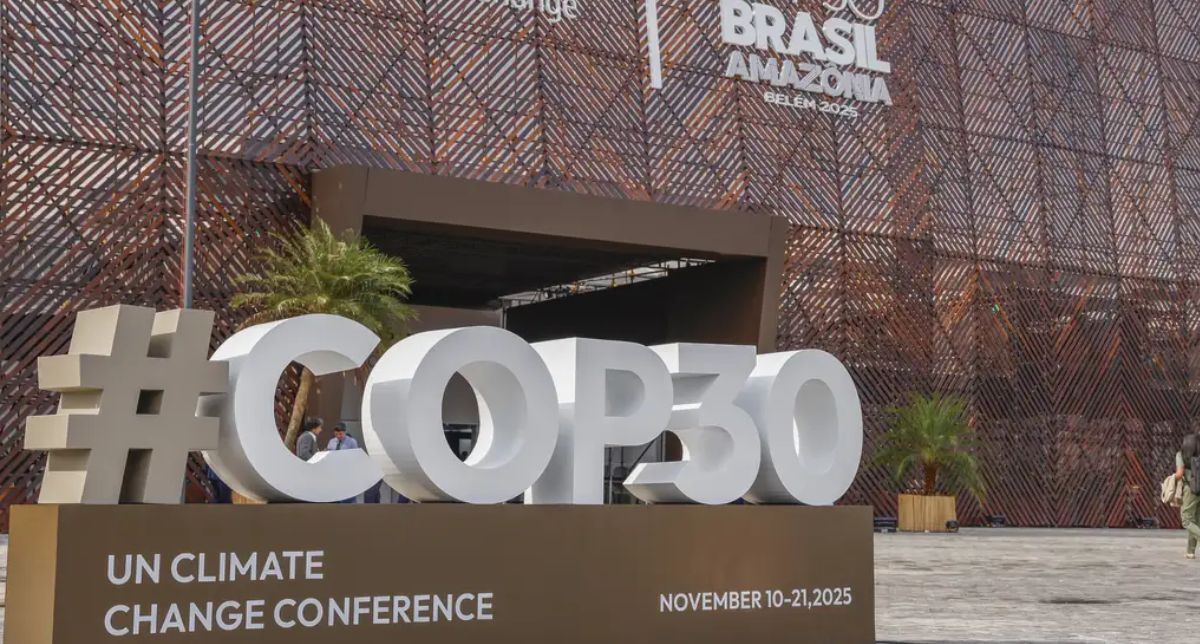
COP30, hosted in the Brazilian Amazon, was an event of singular significance for the global climate agenda. IETA described the conference as a “turning point for global climate cooperation.” The choice of Belém as the venue for climate negotiations underscored the importance of tropical forests and Nature-Based Solutions (NBS) in the global decarbonization strategy. Brazil, with its vast biodiversity and the central role of the Amazon, emerged as a key player in discussions about the future of carbon markets and environmental protection.
One tangible outcome of this engagement was the ALMA Brasil project, a partnership between IETA and the Oil and Gas Climate Initiative (OGCI). In December 2025, the project released critical findings on scaling up NBS activities in the Brazilian Amazon. These solutions—which include ecosystem conservation and restoration—are essential not only for removing carbon from the atmosphere but also for protecting biodiversity and supporting the sustainable development of local communities.
Carbon Markets in Transition: The Road to 2030
Global carbon markets are undergoing a period of intense transformation, with a clear focus on 2030. The report “The New Carbon Order: IETA Greenhouse Gas Report 2025“, published in December 2025, along with the 2024/25 market sentiment survey, indicates that these markets are in a transitional phase—seeking greater maturity and effectiveness in carbon pricing and in channeling investment toward emissions reduction projects.
This transition is marked by growing demand for high-integrity carbon credits that ensure real, additional, and permanent emissions reductions. IETA has been an active voice in this debate, advocating for robust standards and reliable verification mechanisms to prevent greenwashing and build trust among investors and the public. In September 2025, the organization published the “Guidelines for High Integrity Use of Verified Carbon Credits v2.0,” a major milestone in guiding companies and market participants.
Regulatory Challenges and the Pursuit of Clarity
The complexity of carbon markets requires a clear and harmonized regulatory framework. In February 2026, IETA submitted comments on the Scope 2 guidance under the Greenhouse Gas Protocol, seeking greater clarity for companies in accounting for their indirect electricity emissions. Accurate measurement and reporting of emissions are fundamental to the credibility of carbon markets and to tracking progress toward decarbonization targets.
In the European context, the implementation of the Carbon Border Adjustment Mechanism (CBAM)—which entered its transitional phase in 2023 with mandatory reporting requirements and is expected to begin levying carbon charges in 2026—represents a significant challenge for companies exporting to the European Union. The mechanism aims to prevent “carbon leakage” and incentivize the decarbonization of global industry.
Brazil’s Role and the Sustainable Taxonomy
In addition to hosting COP30, Brazil has advanced its own sustainability and carbon market agenda. The Brazilian Sustainable Taxonomy (TSB), launched in 2025, is a crucial instrument for guiding the reporting, verification, and monitoring of sustainability information in the country. The TSB seeks to align Brazilian practices with international standards, enhancing reliability for investors and clients while expanding opportunities for companies that adopt best practices.
The Brazilian Emissions Trading System (SBCE), which establishes the regulatory framework for Brazil’s carbon market, is another pillar of this strategy. The SBCE aims to reduce emissions and stimulate the use of and investment in low-carbon technologies, creating a regulated market capable of generating revenue and new business opportunities.
These Brazilian initiatives are essential not only for meeting the country’s climate commitments but also for positioning Brazil as a leader in the global green economy. Brazil’s experience with NBS in the Amazon, for example, can serve as a model for other regions seeking nature-based solutions to combat climate change.
Future Outlook and the Need for Cooperation
The future of carbon markets and the global climate agenda will depend on the ability of governments, businesses, and civil society to work together. Through its events and publications—such as the European Climate Summit (ECS) and the Latin America Climate Summit (LACS), both scheduled for 2026—IETA continues to foster dialogue and collaboration among diverse stakeholders.
The need to accelerate decarbonization is undeniable, and carbon markets are powerful tools for achieving this goal. However, their effectiveness depends on a continuous commitment to integrity, regulatory clarity, and the ability to adapt to an ever-evolving global landscape. The year 2026, with its challenges and opportunities, will serve as a decisive test of the resilience and innovation of these markets.

Comment