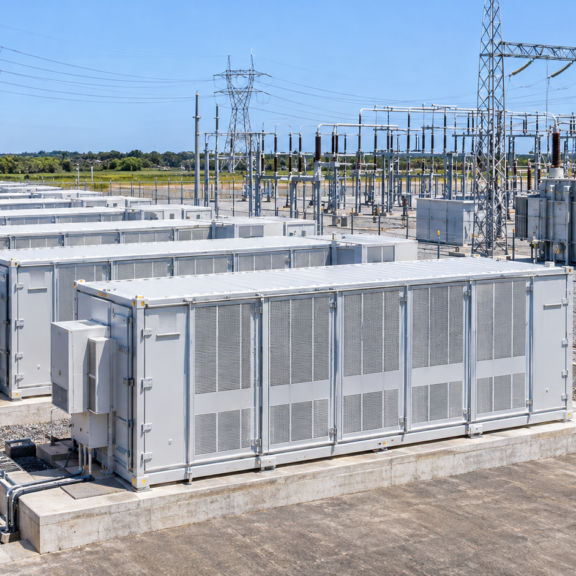
The Brazilian power system is set for a first. On December 2 and 4, 2026, the country will hold its inaugural auctions dedicated to contracting large-scale battery energy storage systems.
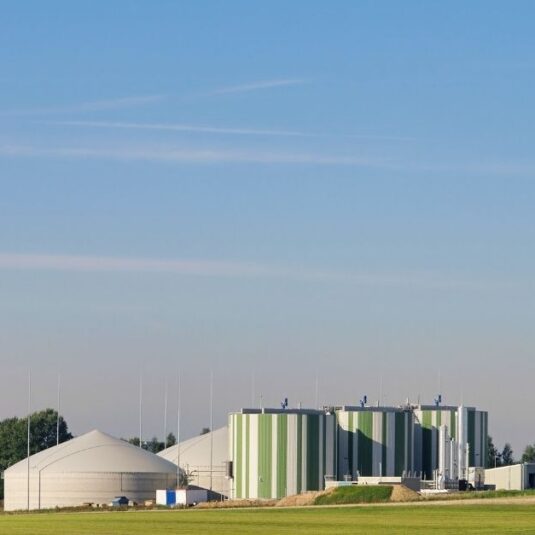
In addition to transforming waste into energy and reducing methane emissions, biogas is beginning to gain traction in discussions regarding dispatchable renewable generation and the operation of the Brazilian power system.
IRENA launches operational phase of the Global Energy Planning Coalition in 2026, connecting governments and financiers to modernize global electricity grids and enable US$670 billion annually in investments by 2030.
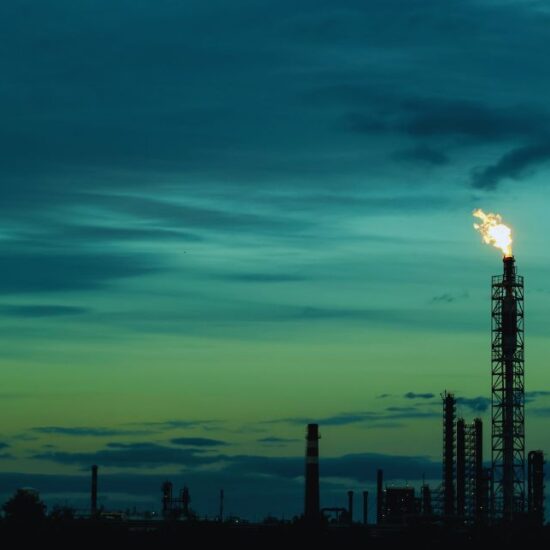
The good thing is that the growth in emissions has started to lose momentum; The bad news is that the pace is still far from what is necessary to keep global warming within the 1.5°C target.
The COP30 summit in Belém marks more than an important chapter in climate diplomacy; it repositions Brazil on the global capital map as one of the most attractive destinations for investments in clean energy, green infrastructure and the bioeconomy. By combining an electricity matrix that is already predominantly renewable with a new package of commitments, the country enters the post-COP30 phase with something investors value greatly: clear direction, abundant natural resources and vast room for growth in sustainable solutions.
The Pre-COP30 held in Brasília on October 13–14, 2025, brought together 500 negotiators from 50 countries to align positions on climate finance, energy transition, and adaptation ahead of the COP30 conference in Belém.
Besides grains and protein, agribusiness is establishing itself as an energy superpower. Sugarcane bioelectricity already surpasses the output of the largest hydroelectric plant in the Americas, and now biogas from animal waste and agricultural residues is emerging as the next pillar of national energy security.
On March 11, 2025, the Brazilian Federal Government published Resolution No. 5 of the National Energy Policy Council (CNPE), declaring the national interest in joining three international organizations and cooperation mechanisms in the energy sector: the International Energy Agency (IEA) and the International Renewable Energy Agency (IRENA), both as full members, and the Charter of […]
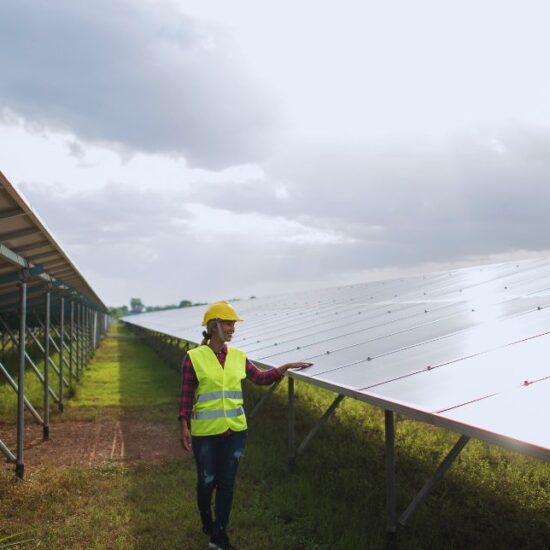
As the photovoltaic sector expands, so does the need for qualified professionals. Since 2012, solar energy has already generated over 1.4 million direct and indirect jobs in Brazil.
Green bonds are becoming one of the main financing tools for sustainability projects, both in Brazil and worldwide. They emerged as a viable solution to unite financial returns with positive environmental impact.