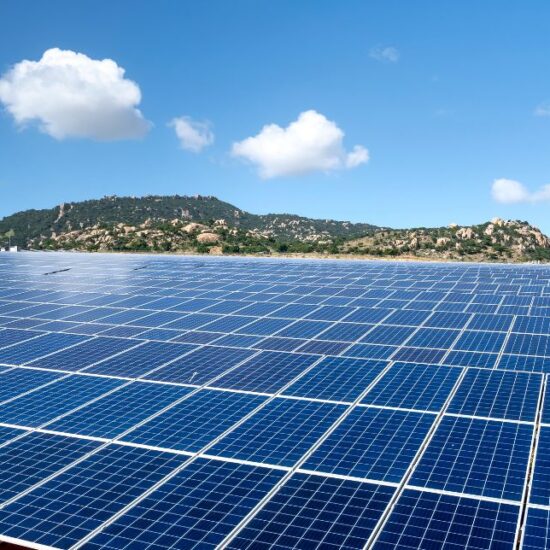
With a projected 7% contraction in expansion in 2026, the photovoltaic sector revises expectations, calls for adjustments in grid infrastructure and regulation, and tries to turn the slowdown into an opportunity for maturity.
The IEA’s World Energy Outlook 2025 reveals: electricity is accelerating, renewables are driving progress, but challenges in security, investment and equity still shape the sector. Explore the trends, numbers and pathways for the energy transition — from Brazil to the world.
With COP30 in Belém, Brazil has the chance to become a clean energy superpower. We look at the advancement of solar and wind energy, infrastructure challenges and the path to leadership.
Brazil is officially on the road to COP 30 — the 30th United Nations Climate Change Conference — to be held from November 10 to 21, 2025, in Belém, Pará.
IRENA report shows that the world added 582 GW of renewable energy in 2024, but is only making 1% progress in efficiency. The document calls for urgent investments and coordinated policies ahead of COP30 in Brazil.
The energy transition — the migration from a system mostly based on conventional sources to a model with increasing participation of clean, distributed, and intermittent energy — requires much more than adding new solar plants or wind farms.
In recent days, the Brazilian power sector has once again become the focus of strategic discussions in the energy market. Three main factors have drawn attention: the downward revision of energy demand by the National System Operator (ONS), the contradiction between the abundance of solar energy and high consumer tariffs, and the new Provisional Measure No. 1,300, which threatens to make a large share of distributed generation projects in the country unfeasible.
While the world searches for solutions to the climate crisis, Brazil is advancing rapidly—not only expanding its capacity but also innovating in how it does so.
The sustainable use of energy and the adoption of renewable sources are imperative to addressing climate challenges and promoting balanced economic development.
In 2025, managing greenhouse gas (GHG) emissions has become essential for companies committed to sustainability. The GHG Protocol categorizes these emissions into three scopes, enabling a detailed analysis of environmental impact.