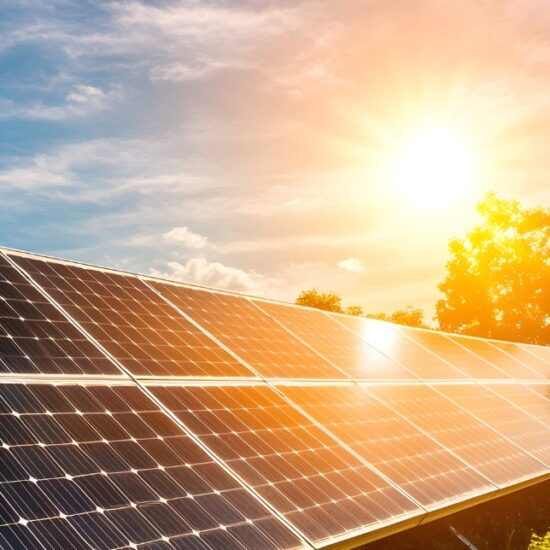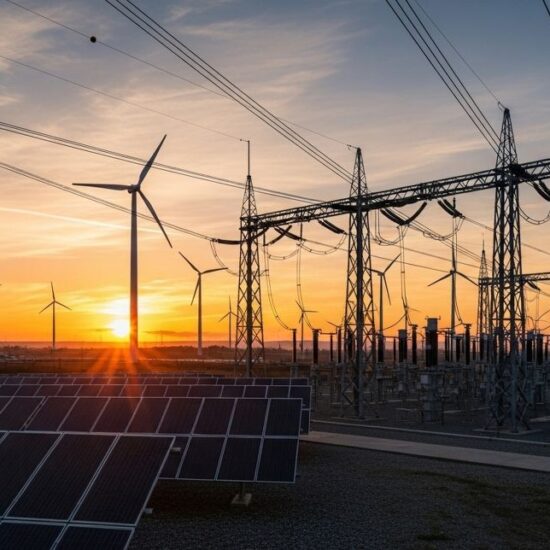
With a projected 7% contraction in expansion in 2026, the photovoltaic sector revises expectations, calls for adjustments in grid infrastructure and regulation, and tries to turn the slowdown into an opportunity for maturity.
Data centers are the backbone of the digital economy and artificial intelligence. As AI models become larger, more complex and ubiquitous, the demand for energy is growing at unprecedented rates. This creates challenges not only for the technology sector, but also for power grids, energy planners and corporate sustainability strategies.
Data released in December reveals that November was the third hottest month on record, with devastating cyclones in Asia killing more than 1,100 people
The IEA’s World Energy Outlook 2025 reveals: electricity is accelerating, renewables are driving progress, but challenges in security, investment and equity still shape the sector. Explore the trends, numbers and pathways for the energy transition — from Brazil to the world.
With COP30 in Belém, Brazil has the chance to become a clean energy superpower. We look at the advancement of solar and wind energy, infrastructure challenges and the path to leadership.
Brazil is officially on the road to COP 30 — the 30th United Nations Climate Change Conference — to be held from November 10 to 21, 2025, in Belém, Pará.
IRENA report shows that the world added 582 GW of renewable energy in 2024, but is only making 1% progress in efficiency. The document calls for urgent investments and coordinated policies ahead of COP30 in Brazil.
According to an analysis by the Talanoa Institute and the Climate Observatory network, the 2023 Climate Plan, prepared by the Ministry of Environment and Climate Change (MMA), presents structural weaknesses.
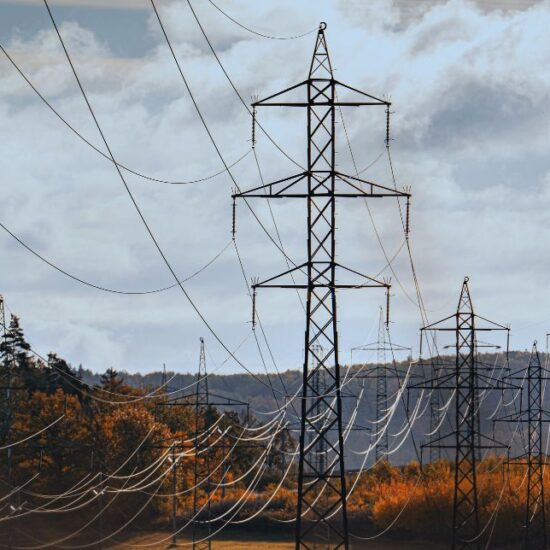
In a move signaling the urgency of the issue, the International Renewable Energy Agency (IRENA), in collaboration with a consortium of power sector giants, released in September 2025 a much-anticipated “action plan” for the modernization of global power infrastructure.
Brazil has a biogas production potential of 84.6 billion cubic meters per year. It is a colossal volume, enough to supply about 40% of national electricity consumption or replace 70% of all diesel consumed in the country.