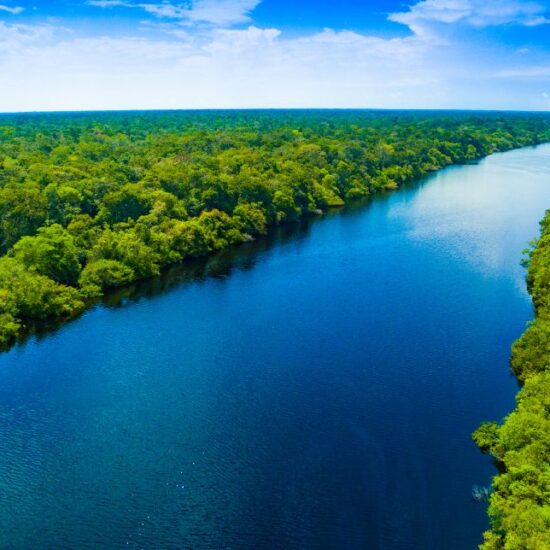
Brazil is officially on the road to COP 30 — the 30th United Nations Climate Change Conference — to be held from November 10 to 21, 2025, in Belém, Pará.
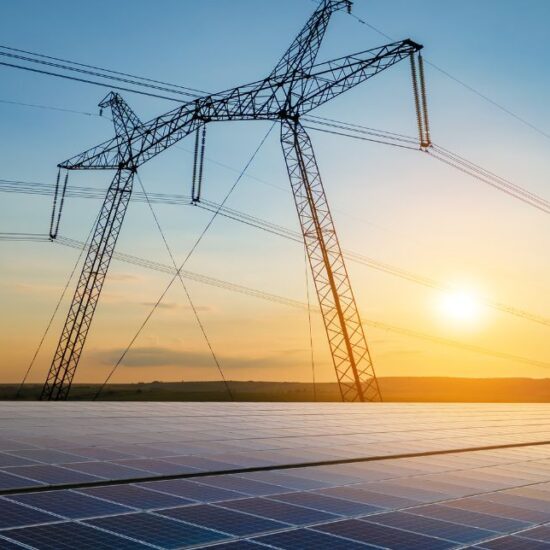
IRENA report shows that the world added 582 GW of renewable energy in 2024, but is only making 1% progress in efficiency. The document calls for urgent investments and coordinated policies ahead of COP30 in Brazil.
According to an analysis by the Talanoa Institute and the Climate Observatory network, the 2023 Climate Plan, prepared by the Ministry of Environment and Climate Change (MMA), presents structural weaknesses.
In a move signaling the urgency of the issue, the International Renewable Energy Agency (IRENA), in collaboration with a consortium of power sector giants, released in September 2025 a much-anticipated “action plan” for the modernization of global power infrastructure.
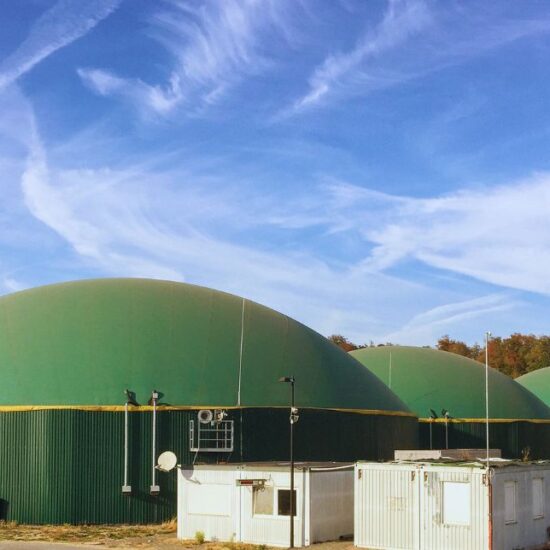
Brazil has a biogas production potential of 84.6 billion cubic meters per year. It is a colossal volume, enough to supply about 40% of national electricity consumption or replace 70% of all diesel consumed in the country.
The energy transition — the migration from a system mostly based on conventional sources to a model with increasing participation of clean, distributed, and intermittent energy — requires much more than adding new solar plants or wind farms.
Brazil, with its vast territory and predominantly renewable energy matrix, faces a continuous and complex challenge: how to ensure an energy distribution system that is safe, efficient, accessible, and sustainable for all its citizens. The debate over the ideal distribution model is not only technical but also strategic, involving infrastructure modernization, regulatory frameworks, and the […]
The transport sector in Brazil is one of the main contributors to greenhouse gas (GHG) emissions, significantly impacting climate change. In this context, biomethane emerges as a promising alternative
Explore how Brazilian agribusiness is leading the global energy transition with innovative solutions in biogas, biomethane and biomass. Discover Brazil's sustainable potential!
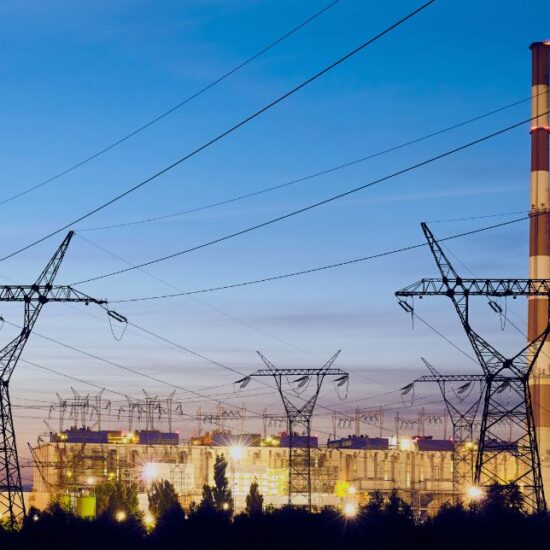
This article explores the strategic role of natural gas thermal power plants in Brazil's energy transition. Highlighting their importance for system security, flexibility, and sustainability, it delves into recent data and regulatory advances that ensure a balanced and reliable energy future.