In a global scenario of growing energy demand driven by technological advances, 2026 is consolidated as a year of "pragmatic coexistence" between clean energy sources and fossil fuels.
In 2026, the International Emissions Trading Association (IETA) consolidates itself as a central player in the architecture of global carbon markets. This article explores the legacy of COP30 in Belém, the transition trends for 2030.
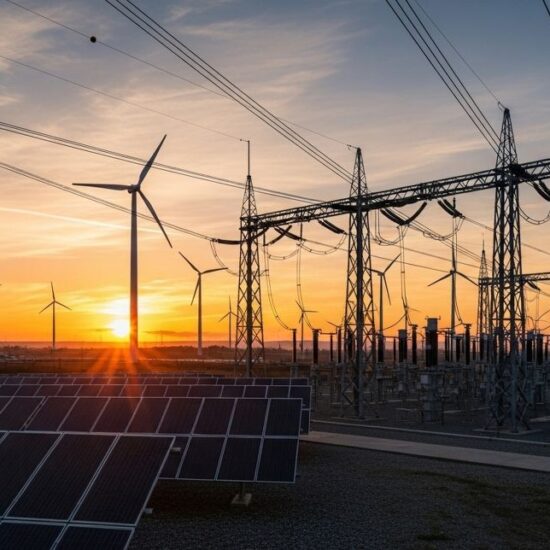
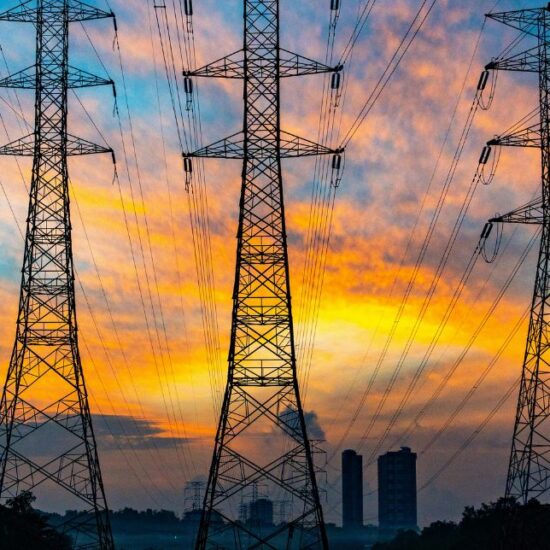
IRENA launches operational phase of the Global Energy Planning Coalition in 2026, connecting governments and financiers to modernize global electricity grids and enable US$670 billion annually in investments by 2030.
In 2026, energy has cemented itself as the central pillar of the ESG agenda—moving beyond a supporting input to become a strategic variable in decisions around risk, investment, and competitiveness.
Analytical article on the 2026 Ten-Year Energy Expansion Plan, addressing energy demand and supply scenarios, energy transition, infrastructure challenges and the strategic implications for the Brazilian energy sector until 2026.
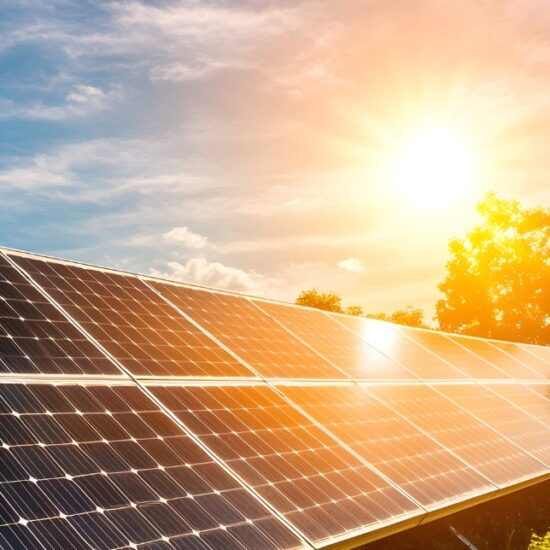
With a projected 7% contraction in expansion in 2026, the photovoltaic sector revises expectations, calls for adjustments in grid infrastructure and regulation, and tries to turn the slowdown into an opportunity for maturity.
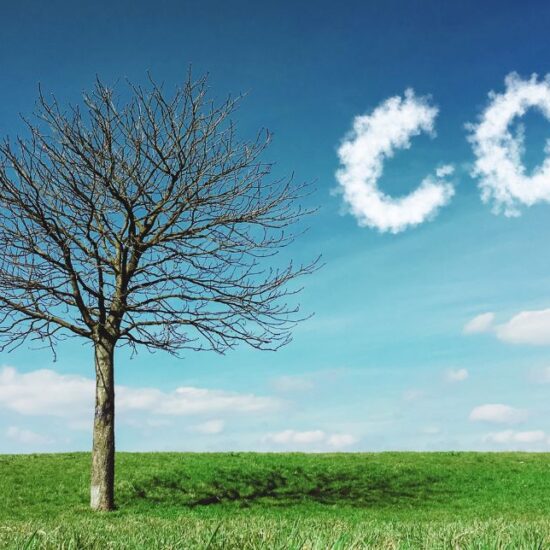
The year 2025 marked a critical inflection point: Brazil consolidated the largest renewable electrical matrix in the world with 84.45% from clean sources and 215.6 gigawatts of total power, while atmospheric CO2 concentration reached 425.4 parts per million, the highest level in 800 thousand years. The paradox of energy records with a climate crisis that does not slow down.
Data centers are the backbone of the digital economy and artificial intelligence. As AI models become larger, more complex and ubiquitous, the demand for energy is growing at unprecedented rates. This creates challenges not only for the technology sector, but also for power grids, energy planners and corporate sustainability strategies.
Data released in December reveals that November was the third hottest month on record, with devastating cyclones in Asia killing more than 1,100 people
The good thing is that the growth in emissions has started to lose momentum; The bad news is that the pace is still far from what is necessary to keep global warming within the 1.5°C target.