The energy market in Brazil has undergone a remarkable evolution in 2023, driven by a mix of favorable government policies, technological advances and a growing interest in clean and renewable energy sources.
The recent trajectory of energy auctions in Brazil illustrates a panorama of significant opportunities and robust expansion in the energy sector. Under the aegis of the Ministry of Mines and Energy (MME), the country is witnessing a series of initiatives that reinforce its commitment to the energy transition, the diversification of the energy matrix and sustainable development.
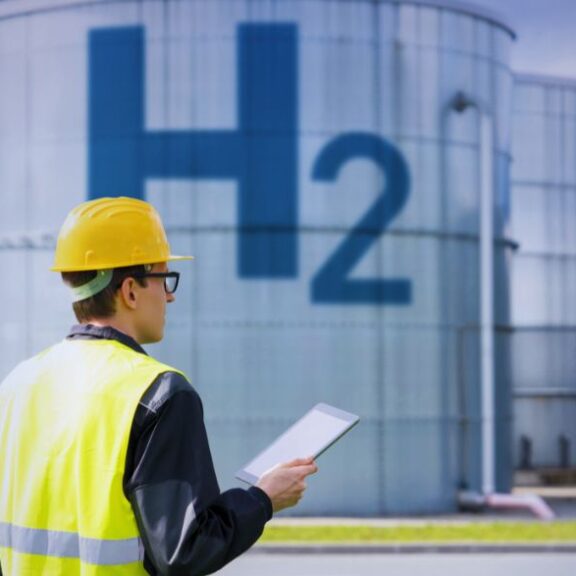
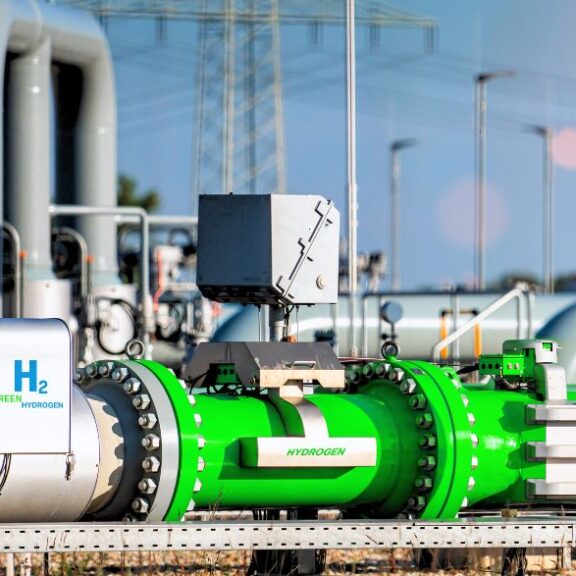
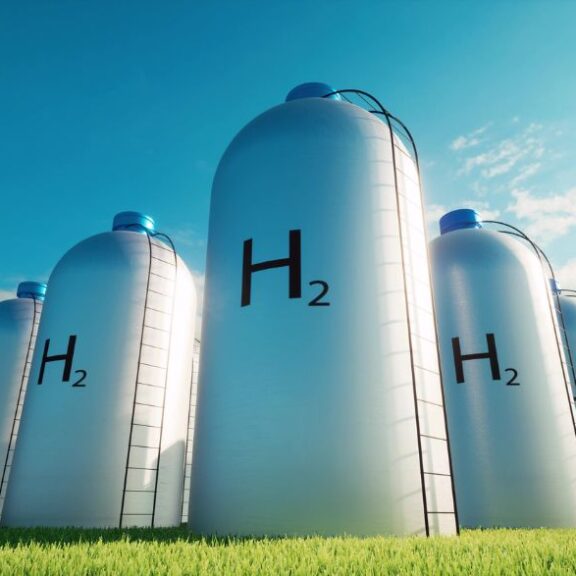
Green hydrogen, considered the “fuel of the future”, is at the center of discussions about the global energy transition. Produced through renewable sources, such as wind and solar energy, it does not emit carbon, being an alternative to fossil fuels. Its versatility makes it a valuable input for industries such as fertilizers, cement and petrochemicals, as well as being a potential fuel for maritime and air transport.
Brazil assumed the rotating Presidency of the group of the 20 largest economies in the world in December 2023, with the main objective of highlighting the transition to sustainable energy sources, promoting reforms in the global governance model and intensifying efforts in the fight against inequality and hunger.
In November 2023, the world will turn its eyes to Dubai, where the 28th edition of the Conference of the Parties (COP28) will take place, a crucial event on the global climate agenda. Organized by the United Nations Framework Convention on Climate Change (UNFCCC), COP28 represents an important milestone in the fight against climate change and in promoting a sustainable energy transition.
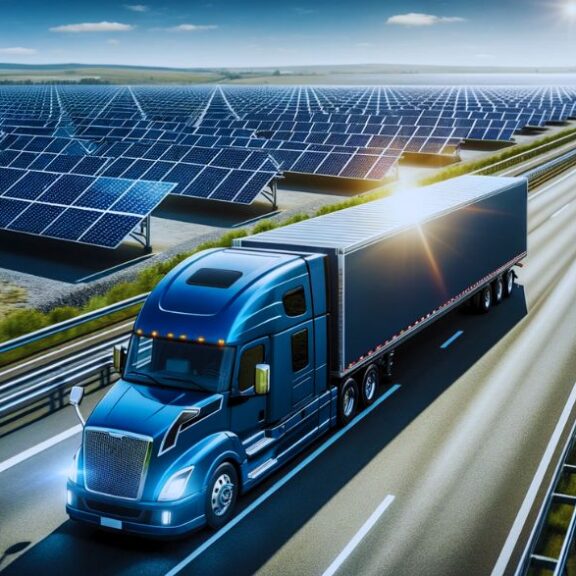
In the current context, replacing diesel with renewable energy sources is an urgent need and an opportunity to mitigate the effects of climate change. Diesel, a fossil fuel, is a major emitter of greenhouse gases (GHGs), contributing significantly to global warming. The transition to renewable energy is, therefore, a strategic action to reduce GHG emissions and move towards a more sustainable and ecological economy.
Brazil, with its vast territorial extension and wealth in natural resources, is uniquely positioned to lead the energy transition in Latin America. This transition, which involves switching from non-renewable to renewable energy sources, is more than a global trend – it is an urgent need.
Green Hydrogen emerges as a promising solution to global energy challenges. The FIEC Summit 2023 in Ceará highlighted the importance and possibilities of H2V in the energy scenario.
Brazil, a key player in global sustainability, sees vast potential in the carbon market and biogas. With the 7th highest greenhouse gas emissions, the nation is exploring strategies to mitigate these emissions.
Brazil, with its rich biodiversity, is poised to lead the green hydrogen revolution, a clean and renewable energy source. This move can strengthen the economy, attract foreign investments, and combat climate change.