Biogas is a source of renewable energy generated from the anaerobic decomposition of organic matter, such as agricultural waste, animal waste, urban organic waste and industrial effluents. This biological process, carried out by microorganisms, produces a mixture of gases, predominantly methane (CH4) and carbon dioxide (CO2). Biogas can be used to generate electricity, heat or be refined to become biomethane, a direct substitute for fossil natural gas.
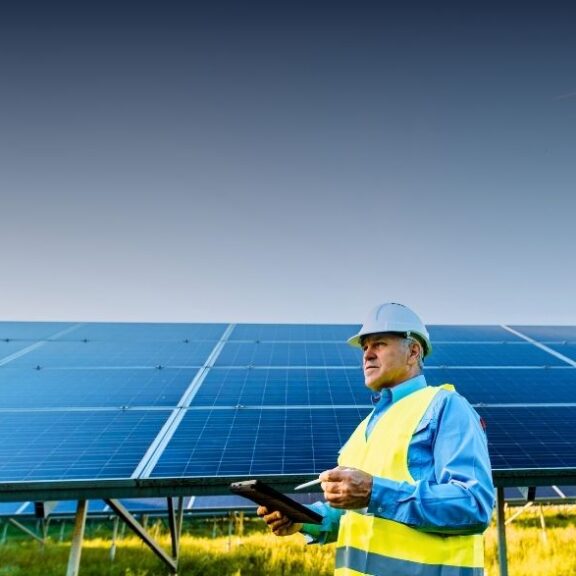
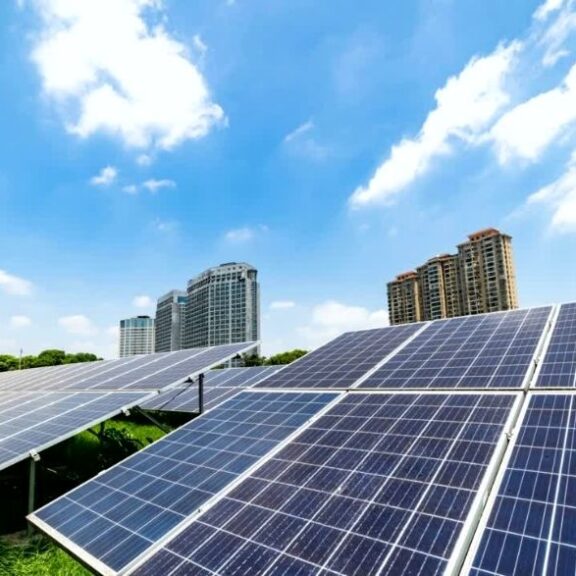
olar energy has stood out as one of the main sources of renewable energy in Brazil. According to Absolar, the installed capacity of solar energy in the country has reached the milestone of 40 GW.
Energy transition is one of the most pressing discussions on the global agenda due to growing climate concerns. This process involves shifting from fossil fuel-based energy sources, such as oil, natural gas, and coal, to renewable sources, including solar, wind, hydropower, and biomass, aiming for a cleaner and more sustainable energy matrix.
Global temperature rise represents one of the most complex challenges humanity faces. According to the IPCC, human activities, predominantly the burning of fossil fuels for energy, have been the main cause of global warming, leading to significant and potentially catastrophic climate changes.
With Brazil holding the presidency in 2024, the group introduced a new agenda focused on the bioeconomy, signaling the country's intention to lead the global debate and boost sustainable development. This is a first in the multilateral arena, highlighting Brazil's role as an active proponent in formulating strategies for a global green economy.
The path to energy sustainability is paved by innovation and proactive legislation. In Brazil, this path takes on definitive contours with the processing of Bill (PL) No. 327 of 2021, known as the National Energy Transition Policy (PONTE), and the attached PL No. 5,174/2023, which establishes the Energy Acceleration Program Energy Transition (PATEN)
The year 2023 marked a turning point in the fight against climate change, according to the report by the International Energy Agency (IEA). This paper provided a detailed analysis of the current state of global CO2 emissions, highlighting the significant contribution of clean energy growth to limiting the increase in these emissions.
In the Brazilian energy scenario, the year 2023 marked a historic turning point, characterized by the lowest rate of carbon emissions in electrical generation in the last eleven years. This achievement not only highlights Brazil's commitment to global environmental goals, but also highlights the growing influence of renewable sources in the national energy matrix. Driven by a diversified generation model, the country managed to reach a surprising rate, where 93% of the electricity generated comes from renewable sources, including hydroelectric, wind, solar and biomass.