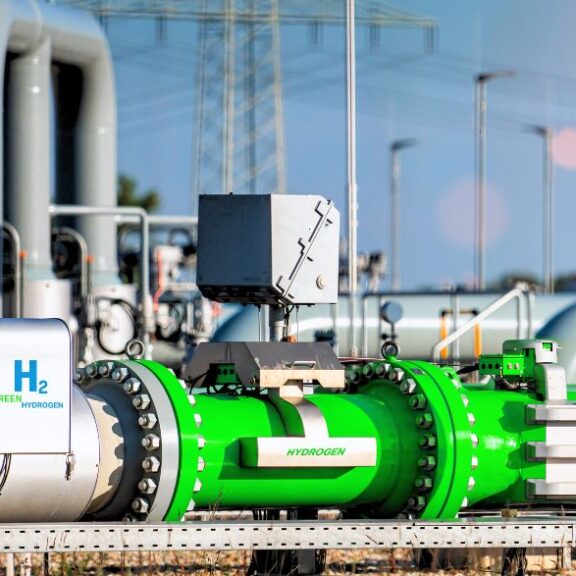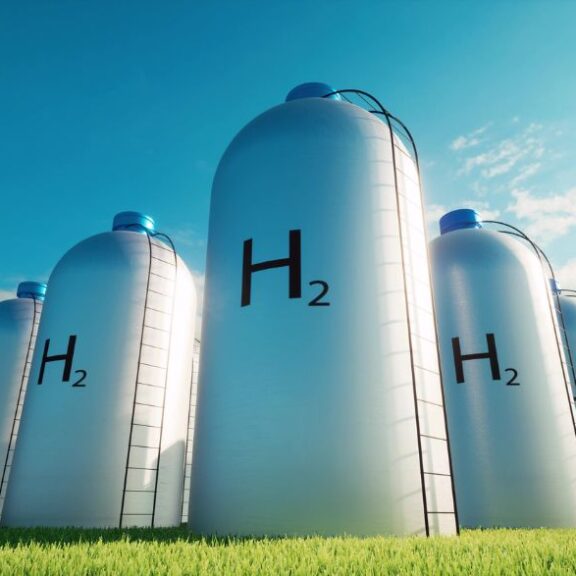
Green Hydrogen emerges as a promising solution to global energy challenges. The FIEC Summit 2023 in Ceará highlighted the importance and possibilities of H2V in the energy scenario.
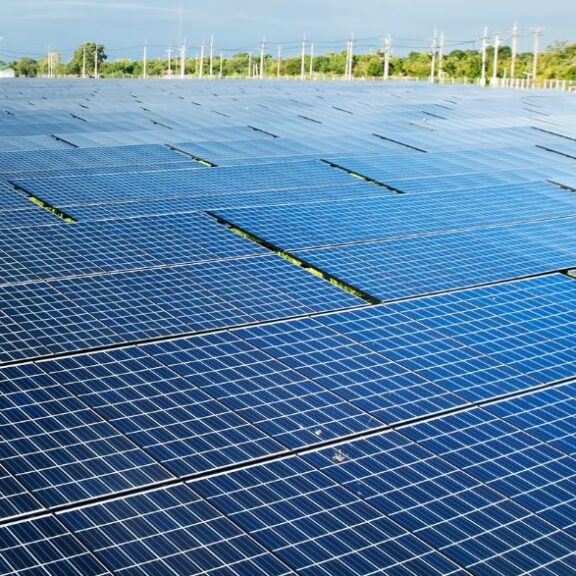
Solar energy has emerged as a viable and sustainable solution in the global energy matrix, providing a clean, green alternative to fossil fuels. In Brazil, notable examples like Rio Poti Energia and Solário Carioca illustrate the positive impact and innovation in the solar energy sector.
Brazil, with its rich biodiversity, is poised to lead the green hydrogen revolution, a clean and renewable energy source. This move can strengthen the economy, attract foreign investments, and combat climate change.
Biogas and biomethane have stood out as promising alternatives in the Brazilian and global energy scenario. With the growing need for clean and sustainable energy sources, these biofuels emerge as viable and efficient solutions.
In a world increasingly aware of climate change and the environmental impacts of human activities, the transition to clean and sustainable energy has become a global priority. Institutions such as the International Renewable Energy Agency (IRENA) and the Intergovernmental Panel on Climate Change (IPCC) have emphasized the need for a swift and comprehensive energy transition to mitigate the effects of climate change and promote sustainable development.
The article "The Energy Transition and the Importance of Scope 3 for Industrial Decarbonization" addresses the process of change in the global energy landscape, in which companies, particularly carbon-intensive ones, seek to reduce their ecological footprint. These companies are aligning themselves with demands from investors and regulators by adopting cleaner and renewable energy sources.
The present time confronts us with a raw and undeniable reality: the urgency of dealing with climate change. Recent reports from the Intergovernmental Panel on Climate Change (IPCC) indicate an acceleration of the effects of climate change, demanding more direct and effective measures from us.
At the same time, we are witnessing an explosion of innovations in the renewable energy sector, with a growing awareness of the need for a transition to clean energy sources. Studies from the International Renewable Energy Agency (IRENA) show that renewable energy has the potential to reduce greenhouse gas emissions by up to 70% by 2050.
The era of fossil fuels is giving way to the clean energy revolution. The affordability and security of clean energy technologies is driving global investment, expected to reach USD 1.7 trillion in 2023. Recent IEA report highlights rapid growth in investment in solar energy and other clean technologies, outpacing investment in oil , coal and gas.
Green hydrogen is essential for the decarbonization of the Brazilian energy sector. With significant production potential, Brazil has been investing in research and development since 2002. Programs like the National Hydrogen Program (PNH2) aim to mobilize public and private sectors to create a competitive market. Brazil has natural advantages and needs appropriate policies to maintain competitiveness and create new opportunities. International cooperation and the development of advanced technologies are crucial for the success of green hydrogen in the country.
Brazil has significant potential to lead the global energy transition through the expansion of renewable energy sources like solar and wind power. To achieve this, a joint effort among government, private sector, and society is needed to address challenges, transform advantages into real opportunities, and promote economic growth, social justice, and environmental protection.