Brazil is officially on the road to COP 30 — the 30th United Nations Climate Change Conference — to be held from November 10 to 21, 2025, in Belém, Pará.
Brazil has a biogas production potential of 84.6 billion cubic meters per year. It is a colossal volume, enough to supply about 40% of national electricity consumption or replace 70% of all diesel consumed in the country.
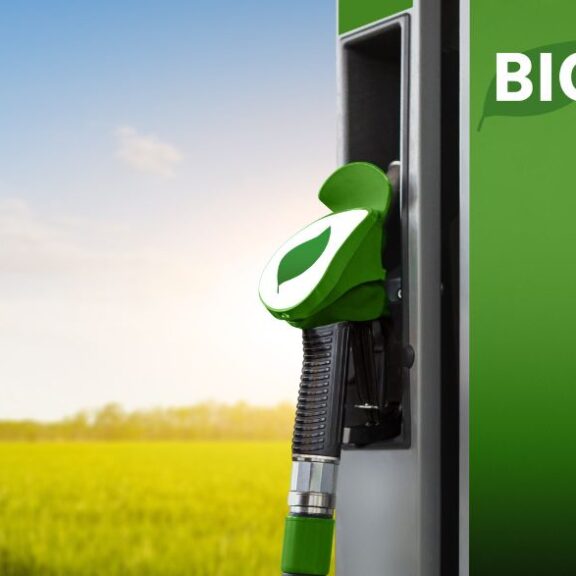
The transport sector in Brazil is one of the main contributors to greenhouse gas (GHG) emissions, significantly impacting climate change. In this context, biomethane emerges as a promising alternative
With the expansion of the road network and vast availability of natural resources, Brazil finds itself at a crucial point to lead the transition to clean energy in the transportation sector.
The reuse of agricultural by-products not only generates energy but also reduces greenhouse gas emissions. This circularity is a competitive advantage that drives the agricultural sector to adopt clean and innovative energy solutions.
The biogas and biomethane market in Brazil is experiencing accelerated and promising growth. According to data from the Brazilian Biogas Association (Abiogás), the country's potential for biogas production is immense, due to the vast availability of organic raw materials.
The bioeconomy is based on the sustainable use of biological resources to develop products and services that reduce dependence on non-renewable resources. This economic model integrates practices from agriculture, forestry, fishing, and aquaculture with technological advances to create a value chain that respects natural cycles and promotes biodiversity. One of the pillars of the bioeconomy […]
In the Brazilian energy scenario, the year 2023 marked a historic turning point, characterized by the lowest rate of carbon emissions in electrical generation in the last eleven years. This achievement not only highlights Brazil's commitment to global environmental goals, but also highlights the growing influence of renewable sources in the national energy matrix. Driven by a diversified generation model, the country managed to reach a surprising rate, where 93% of the electricity generated comes from renewable sources, including hydroelectric, wind, solar and biomass.
Low-emission energy sources are expanding rapidly to meet growing global demand. By 2025, renewable energy, including solar and wind, is expected to increase its share of global power generation from 29% to 35%.
In 2023, Brazil reaffirmed its leadership position in renewable energy, especially in the biofuels sector, being a global model of sustainability and innovation. This article explores the country's recent achievements, highlighting its crucial role in the global transition to cleaner, more sustainable energy.