

In 2026, energy has cemented itself as the central pillar of the ESG agenda—moving beyond a supporting input to become a strategic variable in decisions around risk, investment, and competitiveness. The combined forces of data-center growth, transport electrification, and tighter climate policies are pushing supply security, clean power mixes, and grid infrastructure to the heart of discussions among companies, regulators, and investors.
Surging demand and an energy transition under strain
In recent years, the energy transition has advanced at a rapid pace, with strong growth in solar and wind across multiple markets, as highlighted in S&P Global’s research on 2026 cleantech trends. A sustainable investment trends report from FTSE Russell notes that, in 2025, global renewable generation grew more than electricity demand itself, adding 621 TWh versus a 603 TWh increase in consumption.
That trajectory is expected to continue in 2026, but in a more challenging environment shaped by economy-wide electrification and accelerated digitalization—putting additional strain on power systems already operating near their limits in many countries. The need to balance energy security, climate targets, and competitive prices makes energy a core component of any corporate ESG strategy. Rather than treating emissions purely as an inventory metric, companies and investors are increasingly viewing the electricity mix as the starting point for climate management—especially in electricity-intensive sectors.

Data centers and AI as the new demand protagonists
The expansion of artificial intelligence, cloud computing, and digital services has brought data centers to the center of the debate on energy use and emissions. An analysis published by S&P Global suggests that electricity use by data centers could rise by around 17% by 2026, with annual growth close to 14% through the end of the decade. In more intensive scenarios, the sector’s demand could exceed 2,200 TWh—roughly comparable to the current consumption of large countries such as India.
At the same time, a significant share of operators still has not made formal carbon-neutrality commitments, creating a misalignment between the pace of digitalization and climate targets. Studies such as the “Data Center Power Play” report by the Union of Concerned Scientists highlight that data centers are already emerging among the world’s largest electricity consumers, with direct impacts on grids in regions where transmission and distribution infrastructure has not kept pace with demand growth.
To respond to this pressure, major players have increasingly pursued long-term renewable power contracts, microgrids, battery storage, and participation in liberalized power markets to secure large volumes of low-carbon electricity. Investors, in turn, are treating the emissions intensity of data-center portfolios as a central criterion for risk and return analysis—reinforcing the link between ESG and capacity-expansion decisions.

Transport electrification and the impact on grids
Mobility electrification adds a second layer of pressure on the energy sector. In India, for example, interviews conducted in the context of India Energy Week 2026 indicate that primary energy demand could more than triple by 2047, while electricity demand could quadruple—driven by electric vehicles and digitalization. According to NITI Aayog, EV sales in the country rose from 50,000 units in 2016 to 2.08 million in 2024, with a target of reaching a 30% share by 2030.
This trend is repeating—at different speeds—across markets adopting aggressive fleet-electrification targets. Each additional percentage point of EV penetration means more pressure on generation and networks, especially during peak hours, forcing utilities and regulators to rethink tariffs, charging infrastructure, and investments in flexibility. If the energy supplying this new load is not predominantly clean, transport-side emissions gains are partly offset by higher emissions in the power sector, reducing the effectiveness of decarbonization strategies.
Climate regulation and data raise the ESG bar
The evolution of climate disclosure rules and emissions-accounting standards is reinforcing energy’s central role in ESG. The public consultation process on updates to the GHG Protocol guidance for electricity emissions (Scope 2) is debating material changes in how emissions associated with electricity consumption are calculated. Topics under discussion include stricter criteria for using the market-based method, requiring stronger geographic and temporal alignment between consumption and renewable energy certificates, as well as greater transparency around the emissions factors applied.
This higher bar pushes companies to go beyond simply buying certificates to “green” their power mix on paper—requiring more robust contracts, demonstrated additionality for renewable projects, and tighter integration between energy planning and climate targets. In parallel, investors and regulators are demanding more granular data on consumption by source, hourly load profiles, associated emissions, and the company’s exposure to price shocks or energy unavailability.
Sustainable investment trend reports show that energy and climate remain among the main drivers behind index construction and thematic portfolios. The “2026 Sustainable Investment Trends” study by FTSE Russell notes that indices linked to the energy transition outperformed broad benchmarks across multiple windows, reinforcing the perception that this is both a risk theme and an opportunity theme.
Energy through investors’ lens: risk, return, and climate alignment
For institutional investors, energy has become the primary lens through which climate risk is translated into financial risk. The same FTSE Russell research points to a steady increase in allocations to energy-transition themes, with particular emphasis on renewables, grids, and efficiency solutions. The performance of these theses is supported both by expectations of demand growth and by regulatory tailwinds across multiple jurisdictions.
When assessing companies in energy-intensive sectors—such as mining, steel, chemicals, and technology—investors are evaluating not only today’s electricity costs, but also the future trajectory of the power mix, exposure to potential carbon pricing, and supply resilience under extreme-weather scenarios. This approach turns renewable generation projects, grid reinforcement, and storage into strategic assets, assessed for both returns and alignment with global 1.5 °C or 2 °C pathways.
Research cited by asset managers shows that boards are increasingly viewing sustainability less as a reputational issue and more as a determinant of long-term financial performance. In practice, this means the quality of energy management—including contracts, sources, and climate exposure—feeds directly into discussions on capital allocation, mergers and acquisitions, and project prioritization.
Grids, storage, and the new critical infrastructure
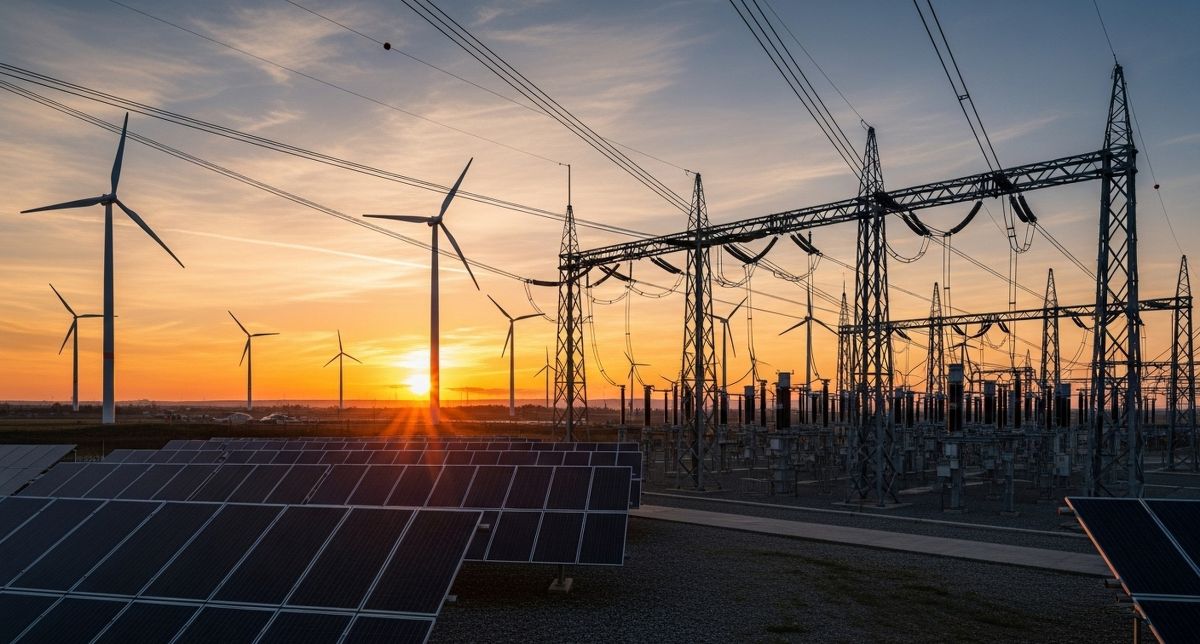
Energy’s centrality to ESG is not limited to generation. Multiple market reports indicate that investment in transmission and distribution networks—as well as in energy storage—needs to nearly double by 2030 to keep pace with renewable expansion and electrification. In 2025, global investment in grids and storage was estimated at around $479 billion, a level considered insufficient to ensure the safe integration of the projected renewable capacity.
Modernizing the power system involves digitalization, advanced metering, demand-response solutions, and the integration of distributed energy resources—topics discussed in analyses of energy trends in buildings and smart systems. These elements are essential to reduce losses, smooth demand peaks, and mitigate curtailment risk in systems with high shares of solar and wind—an issue already appearing more frequently in markets with rapid renewable build-outs.
From an ESG perspective, grids and storage are increasingly viewed as enablers of energy inclusion, by allowing projects in remote regions to connect, reducing outages, and integrating communities into the low-carbon economy. At the same time, governance of these assets is under greater scrutiny, with attention to land use, community impacts, and tariff transparency.
Energy as the thread running through the ESG agenda in 2026
In 2026, energy serves as the thread that connects climate targets, investment decisions, and society’s expectations of companies. Data centers, electric vehicles, low-carbon industry, and resilient cities all depend on a cleaner power mix, robust grids, and policies that integrate security, competitiveness, and decarbonization.
For companies, this means it is not enough to reference ESG in reports; they must demonstrate—with data—where the energy that powers the business comes from, how that mix is expected to evolve over time, and what the plan is to cut emissions in line with global targets. For investors, the energy sector stops being just another slice of the portfolio and becomes the arena where— to a large extent—winners and losers in the transition to a low-carbon economy are determined.

Comment