

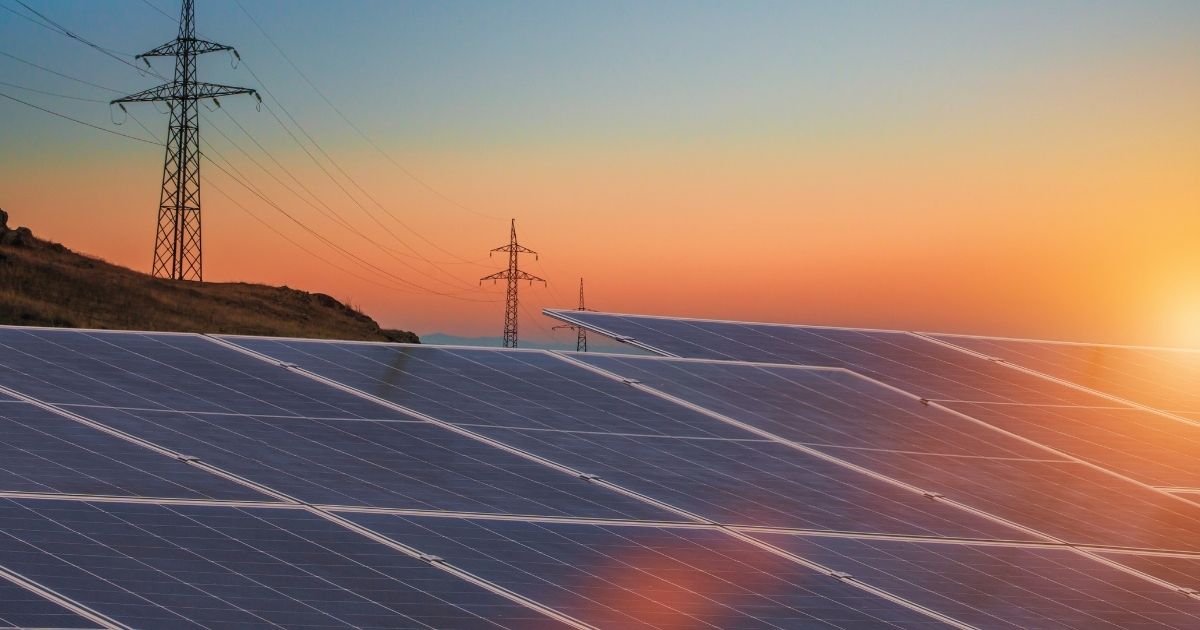
The second activation of ONS’s emergency plan in 2026 shows that renewable energy expansion must be accompanied by energy storage, smart grids, distributed generation management, and greater operational flexibility.
On Sunday, August 23, Brazil’s power system once again faced a situation that, until just a few years ago, would have seemed contradictory for a country accustomed to discussing energy security primarily in terms of the risk of electricity shortages. This time, the problem was the opposite: there was more electricity available than the National Interconnected System could absorb at that moment without compromising its safe operation.
The National Electric System Operator (ONS) activated the Distribution Grid Energy Surplus Management Plan for the second time in 2026. According to information released by the operator to the press, distribution companies had been notified in advance to prepare for reductions in generation from assets connected to their networks, since ONS does not have direct control over these sources. The restriction was in effect between 11:00 a.m. and 1:30 p.m. and affected plants classified as Type III, a category that includes small hydropower plants, biomass facilities, and smaller wind and solar projects connected to distribution networks. ONS also reduced generation from resources under its direct coordination. See the coverage of the plan’s activation on August 23.
The event was not an isolated occurrence. On June 7, during the extended Corpus Christi weekend, the plan had been used for the first time, managing approximately 1,000 MW between 10:00 a.m. and 2:00 p.m. Two activations in just over two months do not mean that the power system is facing a permanent energy surplus crisis. They do, however, show that a challenge previously seen mainly in planning studies is beginning to emerge in day-to-day system operations.
The central point is that Brazil’s energy transition has entered a stage in which increasing installed renewable capacity, while still important, is no longer enough. Generation growth must be accompanied by infrastructure capable of transmitting, storing, modulating, forecasting, and controlling that electricity. In other words, the next stage of the transition will depend less on the isolated question of how many new megawatts are installed and increasingly on the ability to use those megawatts where and when the system actually needs them.
How can there be no room for more electricity in a country where demand continues to grow?
At first glance, curtailing generation while electricity consumption is growing may seem counterintuitive. The latest data, however, help explain why both situations can occur at the same time.
The second four-month revision of load forecasts for the 2026–2030 planning horizon, released on August 7 by CCEE, ONS, and EPE, projects average annual growth of 4.5% in SIN load over the period. For 2026, growth of 4.1% is expected, with total load reaching an average of 84,989 MW. By 2030, the projection rises to an average of 101,947 MW. Among other factors, the study incorporates the growth of distributed micro- and minigeneration and the expansion of data centers.
Growth in annual demand, therefore, does not eliminate the possibility of hourly surpluses. What matters for system operation is not only how much electricity the country consumes over a month or a year, but when electricity is consumed and when it is produced.
Solar generation reaches its highest levels during daylight hours. On Sundays and holidays, precisely when solar irradiation may remain high, industrial and commercial electricity consumption tends to decline. At the same time, millions of distributed generation systems continue producing electricity. The result is a sharp reduction in what is known as supervised load, the share of demand that must be supplied by resources directly monitored and coordinated by the system operator.
This does not mean that Brazil produced too much electricity over the course of the entire year. It means that, for several hours and under certain conditions, more generation is available than the system can accommodate while maintaining the technical requirements necessary for its stability.
This is fundamentally different from the challenge faced by a system based on a small number of large power plants whose generation can be easily coordinated. The greater the share of variable sources and distributed resources, the more important operational flexibility becomes.
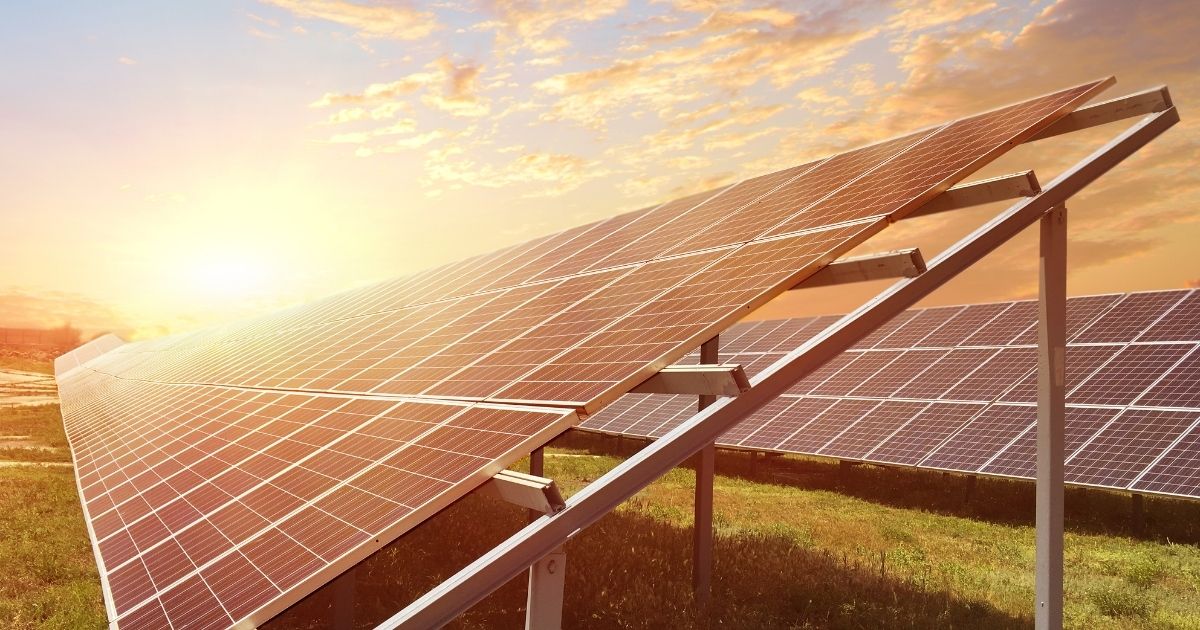
Distributed generation is reshaping Brazil’s load curve
The growth of distributed micro- and minigeneration is one of the most significant transformations in Brazil’s electricity sector. Photovoltaic panels installed in homes, commercial establishments, rural properties, and projects of different sizes have decentralized electricity production and rapidly expanded the role of consumers as active participants in the power system.
The challenge arises precisely because this expansion is profoundly altering the historical relationship between generation, transmission, distribution, and consumption.
In ONS’s 2025 PAR/PEL, which covers the 2026–2030 planning cycle, the operator states that distributed micro- and minigeneration already exceeds 43 GW of installed capacity and is driving a structural transformation in SIN operations. Among the effects identified are a reduction in minimum supervised demand, steeper ramps required to meet load after solar generation declines, and a growing occurrence of reverse power flows at the interface between distribution systems and the Basic Grid.
In addition to distributed micro- and minigeneration, ONS records approximately 19.2 GW in Type III power plants, predominantly connected to distribution networks and without a direct operational relationship with the operator. This creates a substantial pool of energy resources that contributes to meeting demand but does not offer the same level of monitoring and control available from large centralized power plants.
There is an important distinction here. The emergency action taken on August 23 does not mean that ONS directly switched off individual residential or commercial solar panels. In its current configuration, the plan reaches Type III plants through actions taken by distribution companies. Distributed micro- and minigeneration, however, lies at the heart of the operational cause of the problem because its high daytime output reduces the net load that must be supplied by centralized resources.
This distinction helps explain why the debate over distributed generation should not be reduced to a discussion about curtailment. The real challenge is to create mechanisms capable of transforming millions of distributed assets, which today are largely passive from a system-wide perspective, into resources capable of participating in system operations in a coordinated manner.
ONS itself projects that, at certain times, distributed resources could account for approximately 57% of total load in 2026, rising to more than 64% in 2029. Brazil’s electricity system is therefore moving toward a structure that is very different from the one for which much of its operational framework and infrastructure was originally designed.
Curtailment is no longer an anomaly and has become part of system planning
Renewable generation curtailment had already been gaining importance before the Energy Surplus Management Plan was extended to distribution networks. Large wind and solar farms connected to the transmission system have for years faced restrictions imposed by ONS for reasons related to grid reliability or the balance between electricity supply and demand.
What has changed is the scale and nature of the phenomenon.
ONS currently maintains a specific forward-looking tool for curtailment, built using hourly profiles of load, wind generation, photovoltaic generation, and distributed micro- and minigeneration. In August 2026, the operator also released a timetable for updating the methodology used to calculate wind and solar generation restrictions. The very existence of a dedicated tool for forecasting these restrictions shows that the issue is no longer being treated as an exceptional occurrence.
The PAR/PEL projections are particularly relevant. For the 2026–2029 horizon, ONS concludes that curtailment remains primarily associated with the high penetration of variable renewable generation, both centralized and distributed, concentrated during daylight hours. Between 9:00 a.m. and 4:00 p.m., especially on Sundays and holidays, the most critical scenarios point to very high levels of curtailment.
The operator also notes that the addition of new loads helps absorb part of the surplus but cannot solve the problem on its own. In a sensitivity analysis cited in the study, the inclusion of 4 GW of new load resulted in a reduction of less than an average of 800 MW in projected curtailment. The conclusion is significant: simply expecting natural growth in electricity consumption to keep pace with renewable expansion will not be enough to eliminate periods of surplus generation.
Location and timing are becoming just as important as installed capacity.
A new solar plant can add clean electricity to the system, but if its output is concentrated precisely during periods when supply is already excessive and there is insufficient capacity to transmit, store, or shift that electricity, part of its production may simply intensify competition with existing plants.
ONS itself uses a significant formulation when warning about a potential zero-sum effect, in which new sources begin to displace renewable generation that is already installed without producing a proportional increase in the amount of electricity actually utilized by the system.
This does not diminish the importance of renewable energy expansion. On the contrary, it shows that the success achieved by solar and wind power is creating a new generation of technical challenges. Energy policy must evolve alongside the electricity mix.
Energy storage is moving from a technological promise to strategic infrastructure
It is within this context that the debate over batteries takes on a new dimension.
Regulatory discussions on energy storage had already been advancing before the events of June and August. Now, however, they are taking place against the backdrop of a concrete demonstration of the system’s need for greater flexibility.
On July 28, ANEEL opened Public Consultations 22 and 23 of 2026 for Brazil’s first two capacity reserve auctions using battery energy storage systems. Contributions may be submitted until September 14, and a public hearing is scheduled for September 1 at 2:30 p.m. in Brasília. The auctions are scheduled for December 2 and 4, 2026.
The draft tender documents establish 15-year contracts, with supply beginning on August 1, 2028. The systems must have a minimum capacity of 30 MW, be available for centralized dispatch by ONS, and provide four hours of operating capacity. They may also be called upon twice a day, with six hours allowed for a full recharge.
One of the auctions will be dedicated to equipment manufactured in Brazil, while the other will allow systems that do not meet this requirement. EPE and ONS have already published the methodology, assumptions, and criteria for determining the remaining SIN capacity available for connecting these projects.
Market interest is also striking. In early August, EPE reported that 6,091 storage projects, totaling 296,807 MW of capacity, had been registered for the auctions. This figure does not represent the capacity that will ultimately be contracted, much less a forecast that all of it will be deployed, but it illustrates the scale of commercial interest surrounding this market.
Batteries have one characteristic that is particularly important in the scenario seen on August 23: they make it possible to shift electricity over time. Part of the electricity available during periods of lower consumption can be stored and subsequently returned to the grid when demand increases.
But it would be a mistake to present storage as the sole solution to surplus generation.
Batteries have limits in terms of power, duration, location, cycling, and cost. Their contribution also depends on how they are contracted and which services they are permitted to provide to the power system. The flexibility required by Brazil’s new electricity mix will have to combine different resources.
Brazil’s first battery auction, therefore, should not be understood merely as the creation of a new technology market. It is arriving precisely as the system begins to reveal, in practical terms, the operational cost of having abundant generation available but insufficient capacity to shift it between different times of day.
Flexibility will not come from batteries alone
The power system of the future will have to work on both sides of the equation simultaneously. Making generation more flexible will not be enough. Electricity consumption must also become capable of responding to system conditions.
Demand response is one of the tools that can enable this transition. Rather than adjusting power plants exclusively to match the consumption curve, certain consumers can temporarily shift or reduce their demand through appropriate coordination and compensation mechanisms.
Brazil already has experience in this area. In July 2026, ONS conducted its third competitive availability-based demand response mechanism. The product is part of a regulatory sandbox and allows reductions in consumption by eligible participants to be contracted for periods that are relevant to system operation.
Today, these mechanisms are strongly associated with meeting periods of greater capacity needs. However, the same principle of demand flexibility becomes increasingly important in a power system with a high share of solar generation.
In certain regions and markets, more efficient time-of-use tariffs, smart electric vehicle charging, flexible industrial processes, hydrogen production, thermal storage, and automated management of large consumers can help shift electricity consumption toward periods when renewable energy is abundant.
The objective is not to create artificial consumption merely to absorb surpluses. It is to recognize that, in a system with significant intraday variability, the value of electricity also depends on when it is available.
This principle will become increasingly important for planning, procurement, regulation, and investment decisions.
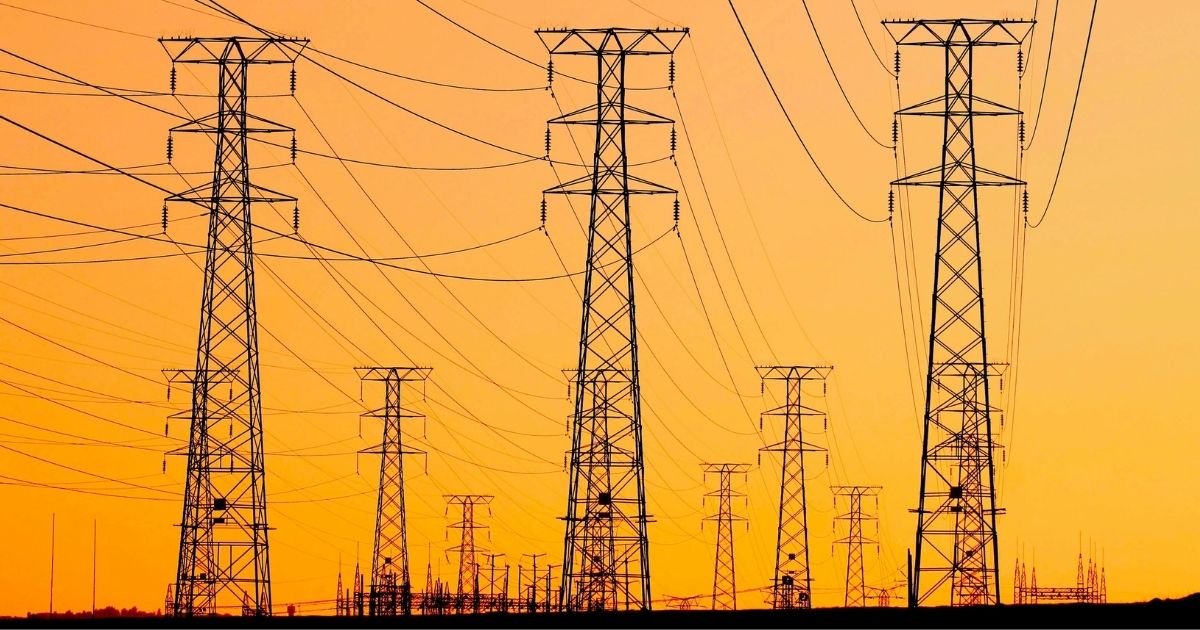
Distribution companies are assuming a central role in operating a decentralized power system
Perhaps the most significant institutional consequence of the events of 2026 lies precisely in electricity distribution.
For much of the history of the electricity sector, the prevailing logic was relatively straightforward. Large power plants generated electricity, transmission systems carried it over long distances, and distribution companies delivered it to consumers. Power flows were essentially one-way.
Distributed generation has changed this architecture.
At certain times of day, regions that traditionally received electricity from the Basic Grid begin producing surpluses and sending power in the opposite direction. PAR/PEL identifies an increasing occurrence of reverse power flows at grid interface substations and indicates that this behavior is expected to intensify as distributed energy resources continue to expand.
As a result, the distribution company is no longer merely the manager of a delivery network and is progressively moving toward the role of an active operator of a local energy system.
ONS itself advocates greater coordination between its operations and those of distribution companies, a concept internationally associated with the relationship between transmission system operators and distribution system operators.
This transformation will require digital infrastructure, telecommunications, more granular metering, better forecasting, real-time data exchange, and the ability to send signals or commands to different types of resources.
It will also require improved observability. A large power plant connected to the system has well-defined telemetry and operational relationships. Millions of small systems scattered across distribution networks do not provide the same level of individual visibility. When their aggregate participation was small, this had a limited impact. When they begin accounting for a significant share of daytime generation, the situation changes.
The modernization of distribution companies, therefore, must be understood as part of the infrastructure required for the energy transition itself.
Smart inverters can transform distributed generation into part of the solution
There is a particularly important point in ONS’s assessment: distributed energy resources do not have to be seen only as a new operational problem.
When equipped with appropriate capabilities and integrated into a communication and management architecture, these assets can provide valuable services to the power system.
PAR/PEL mentions the update of Module 3 of PRODIST as one of the initiatives specifically intended to modernize the technical connection requirements for distributed resources. The direction identified by the operator includes capabilities related to ride-through performance during system disturbances and automatic grid-support services.
This brings smart inverters into the discussion.
The inverter is no longer merely the equipment responsible for converting the electricity produced by photovoltaic modules. More advanced technologies can contribute to voltage control, frequency response, and active and reactive power management, depending on the technical and regulatory requirements in place.
Combined with local storage, energy management systems, and distributed resource aggregators, millions of assets that today simply inject electricity whenever the sun is shining could, in the future, respond in a more coordinated manner to grid needs.
This transformation is conceptually important. Rather than discussing only how to restrict distributed generation during critical periods, the long-term goal should be to transform distributed generation into a flexibility resource.
Achieving this will require technical standards, compensation mechanisms, operational responsibilities, cybersecurity, interoperability, and communication frameworks that are still at different stages of development in Brazil.
Transmission remains an indispensable part of the solution
The emergence of energy surpluses does not eliminate the need to expand transmission infrastructure.
Part of renewable generation curtailment results from electrical constraints on the ability to transport electricity between regions. Brazil’s Northeast, which concentrates a large share of the country’s wind and solar generation, can produce more electricity than it is able to export under certain conditions. Transmission reinforcements increase the ability to carry that electricity to demand centers located in other subsystems.
Once again, however, simplistic solutions should be avoided.
Additional transmission capacity reduces geographic bottlenecks, improves regional integration, and increases the ability to make use of renewable generation, but it cannot by itself solve periods in which the power system as a whole has an energy surplus.
If virtually all regions are experiencing low demand on a given Sunday while solar generation is simultaneously high, building new transmission lines would merely redistribute part of the surplus. The ultimate balance between generation and consumption would still depend on flexibility.
For this reason, transmission, storage, demand management, and control of distributed resources must be treated as complementary components of the same architecture.
The energy transition increasingly requires a system-wide perspective. No single type of infrastructure can, on its own, solve a problem created by simultaneous transformations in generation, consumption, and electricity networks.
The challenge now is to make the energy transition deliver more usable electricity, not merely more installed capacity
The activation carried out on August 23 does not represent a failure of Brazil’s renewable energy expansion. In some respects, it is a consequence of its success.
Solar and wind power have expanded on a scale sufficient to profoundly reshape system operations. Distributed generation has enabled millions of consumers to participate in electricity production. Brazil has maintained one of the most renewable electricity mixes among the world’s major economies and continues to create the conditions needed to expand electrification.
What is changing now is the nature of the challenge.
For years, much of energy policy focused on ensuring sufficient installed capacity to meet growing electricity consumption. This remains an important task, particularly given the projected average annual load growth of 4.5% through 2030. But the next stage requires an additional question: will this electricity be usable when it is available?
The answer will depend less on any single technology and more on a combination of different tools.
Batteries will be able to shift electricity between different times of day. Transmission will continue to expand the capacity for power exchanges between regions. Demand response will enable part of consumption to adapt to grid conditions. More digitalized networks will provide greater observability. Smart inverters will be able to transform distributed resources into assets capable of contributing to system stability. Distribution companies will assume a more active operational role. Forecasting systems will need to keep track of millions of variable resources. And regulation will have to create economic incentives that accurately reflect the value each resource provides to the power system.
The sector will also need to discuss the signals provided to new investments.
In a system where the solar electricity available around midday can already exceed the system’s absorption capacity under certain conditions, the strategic value of a new project will no longer depend solely on the cost of producing each megawatt-hour. Location, generation profile, modulation capability, and the services provided to the grid are likely to become increasingly important.
This shift in perspective may even change the way the sector measures progress in the energy transition.
Installed renewable capacity will remain an important indicator, but it will not be sufficient. The amount of electricity actually utilized, curtailment levels, available storage capacity, demand response capabilities, grid digitalization, and overall system flexibility will increasingly need to inform planning decisions.
In this sense, the August event carries a message that extends well beyond the temporary curtailment of several power plants.
Brazil is not facing a problem of having too much renewable energy. It is facing the challenge of building a power system capable of making better use of a growing supply of renewable energy.
That distinction is critical.
The second activation of the emergency plan in 2026 shows that the issue has already moved beyond long-term projections and into the control room. The September 1 public hearing on Brazil’s first energy storage auctions is therefore taking place in a far more concrete context than the one that existed when the debate over batteries first began gaining momentum in the country.
The next stage of Brazil’s energy transition will be determined precisely by its ability to connect these agendas.
Expanding renewable energy will remain necessary. From now on, however, installing new megawatts without simultaneously expanding system flexibility is likely to deliver diminishing returns for energy security and for the effective use of Brazil’s natural resources.
The challenge of this decade will not be choosing between renewable generation and flexibility infrastructure. It will be understanding that each depends on the other.
Brazil’s electricity mix has already changed. Now its grids, regulation, and system operations must change with it.

Comment