The biogas and biomethane market in Brazil is experiencing accelerated and promising growth. According to data from the Brazilian Biogas Association (Abiogás), the country's potential for biogas production is immense, due to the vast availability of organic raw materials.
Biogas is a source of renewable energy generated from the anaerobic decomposition of organic matter, such as agricultural waste, animal waste, urban organic waste and industrial effluents. This biological process, carried out by microorganisms, produces a mixture of gases, predominantly methane (CH4) and carbon dioxide (CO2). Biogas can be used to generate electricity, heat or be refined to become biomethane, a direct substitute for fossil natural gas.
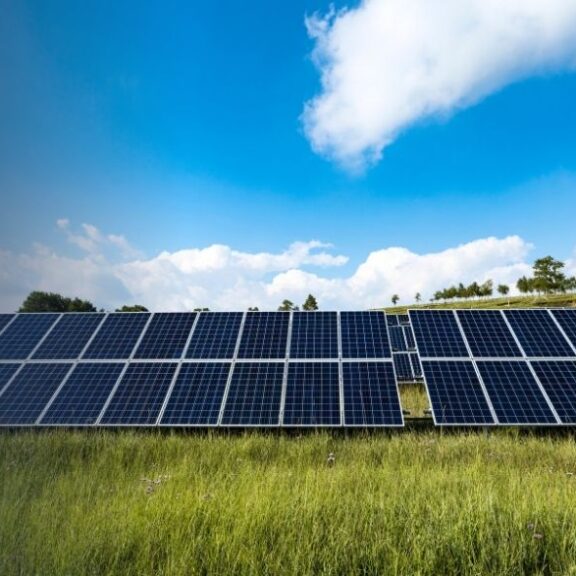
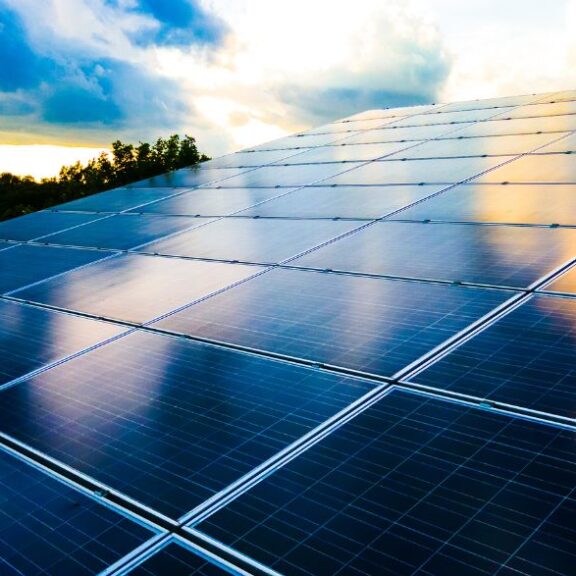
olar energy has stood out as one of the main sources of renewable energy in Brazil. According to Absolar, the installed capacity of solar energy in the country has reached the milestone of 40 GW.
The article "Solar Energy: The Sustainable Solution to Combating Global Warming" explores the critical importance of solar energy in mitigating global warming. Discusses the role of solar technology in reducing greenhouse gas emissions, as highlighted by organizations such as the IPCC and IRENA.
Energy transition is one of the most pressing discussions on the global agenda due to growing climate concerns. This process involves shifting from fossil fuel-based energy sources, such as oil, natural gas, and coal, to renewable sources, including solar, wind, hydropower, and biomass, aiming for a cleaner and more sustainable energy matrix.
Global temperature rise represents one of the most complex challenges humanity faces. According to the IPCC, human activities, predominantly the burning of fossil fuels for energy, have been the main cause of global warming, leading to significant and potentially catastrophic climate changes.
The energy transition emerges as a fundamental strategy, placing Brazil in a prominent position in the adoption of renewable energy and the promotion of sustainable practices.
The path to energy sustainability is paved by innovation and proactive legislation. In Brazil, this path takes on definitive contours with the processing of Bill (PL) No. 327 of 2021, known as the National Energy Transition Policy (PONTE), and the attached PL No. 5,174/2023, which establishes the Energy Acceleration Program Energy Transition (PATEN)
In a global scenario marked by geopolitical challenges, high interest rates and cost inflation, investment in clean energy demonstrated impressive resilience, reaching a new record level in 2023.