In a global scenario of growing energy demand driven by technological advances, 2026 is consolidated as a year of "pragmatic coexistence" between clean energy sources and fossil fuels.
In 2026, the International Emissions Trading Association (IETA) consolidates itself as a central player in the architecture of global carbon markets. This article explores the legacy of COP30 in Belém, the transition trends for 2030.
Analytical article on the 2026 Ten-Year Energy Expansion Plan, addressing energy demand and supply scenarios, energy transition, infrastructure challenges and the strategic implications for the Brazilian energy sector until 2026.
The energy transition — the migration from a system mostly based on conventional sources to a model with increasing participation of clean, distributed, and intermittent energy — requires much more than adding new solar plants or wind farms.
While the world searches for solutions to the climate crisis, Brazil is advancing rapidly—not only expanding its capacity but also innovating in how it does so.
The 30th edition, known as COP 30, will be held in Belém, the capital of the state of Pará, from November 10 to 21, 2025. This will be the first time an Amazonian city hosts the event, highlighting the region's relevance in regulating the global climate.
We are now in 2025, a significant milestone on the road to 2030, the year when the world aims to achieve the ambitious goals of the Sustainable Development Goals (SDGs). Among them, SDG 7 - Affordable and Clean Energy stands out as a strategic pillar to ensure a more sustainable future.
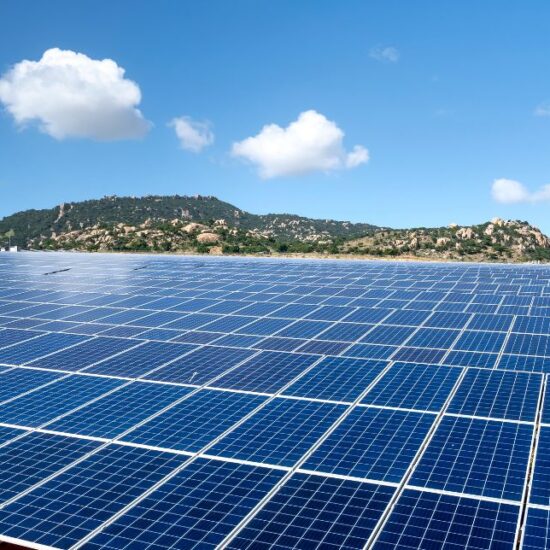
The year 2024 marked a turning point for Brazil's clean energy sector, with solar energy taking center stage in the national energy matrix. Driven by billion-dollar investments, technological advancements, and structural public policies, solar energy has solidified itself as a cornerstone of the country's energy transition.
With record-breaking expansion in 2024, Brazilian solar energy establishes itself as a key player in the national electricity matrix, generating jobs, investments, and sustainability
At COP29 in Baku, Azerbaijan, Brazil launched a global pact for a just and inclusive energy transition. Led by the Ministry of Mines and Energy, the initiative promotes investments in renewables, technological capacity building, and international financing to accelerate decarbonization and sustainability worldwide.