The energy transition is a subject that has become a trend in many countries. With the advance of global warming and its consequences, there is an urgent need for migration to a low carbon economy.
How will energy consumption in Brazil in the next decade? The energy sector in the country and around the world has been undergoing a transition with the aim of promoting decarbonization, digitization and decentralization (3Ds).
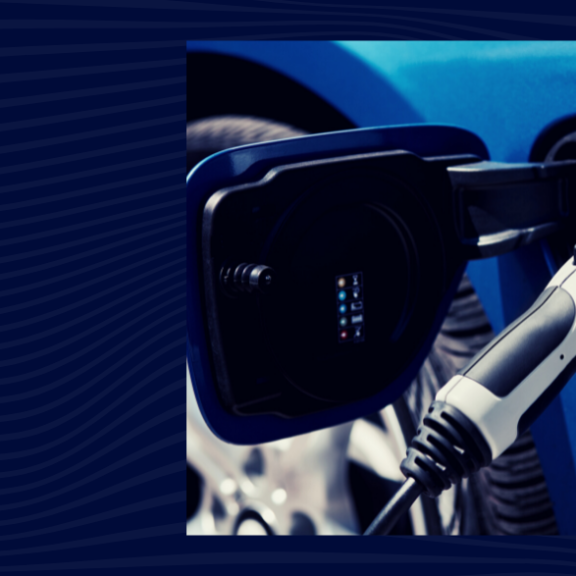
When it comes to energy transition, electric cars quickly appear in the conversation. This solution is one of the alternatives to help in the decarbonization of the transport sector. Countries like China, Norway and now the United States — in 2022, Joe Biden, President of the USA, launched the goal of reaching 2030 with half of all new cars sold in the country electrified
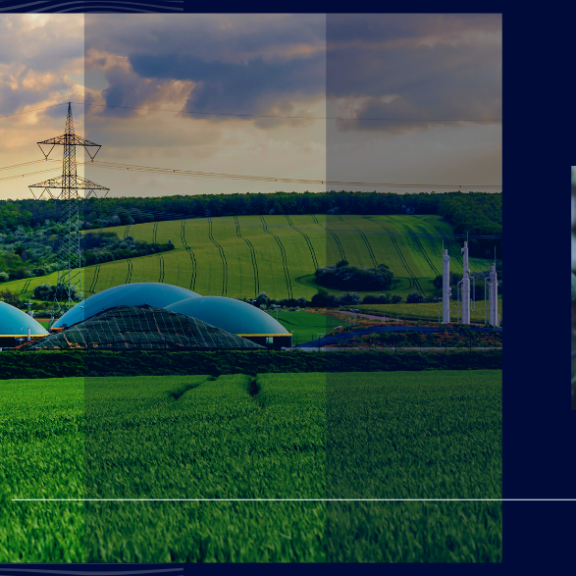
Bill 3865/2021 aims to encourage actions to encourage biogas and biomethane with the creation of the Incentive Program for the Production and Use of Biogas, Biomethane and Associated By-products (PIBB). The project was proposed by deputy Arnaldo Jardim, who is vice president of the Parliamentary Front for Renewable Energy. The proposal came a day after Brazil joined the Global Commitment on Methane, which provides for a 30% cut in emissions by 2030. Thus, the approval of the project would be one of the necessary steps for the country to be able to decarbonize the sectors and curb the global warming.
Unfortunately, Brazil has not had a good position in reducing the emission of greenhouse gases. While other countries had a reduction of almost 7% with the effects of the pandemic, our country increased this rate by 9.5%. Of the five sectors of the economy that account for the totality of emissions in the country: three increased (agriculture, waste and land use change), one remained stable (industrial processes) and one declined (energy).